
Kurz erklärt: Ein Photovoltaik Speicher erhöht Ihren Eigenverbrauch von Solarstrom von typischen 30% auf 60-80%. Sie speichern tagsüber produzierten Überschuss für den Abend, die Nacht und sonnenarme Tage. Dadurch reduzieren Sie Ihre Strombezugskosten deutlich und machen sich unabhängiger von steigenden Energiepreisen. Die richtige Dimensionierung von PV-Anlage und Speicher ist entscheidend.
Photovoltaik Speicher: Maximalen Eigenverbrauch mit Solarstrom erreichen
Ihre Photovoltaikanlage produziert mittags am meisten Strom. Genau dann sind Sie vielleicht nicht zu Hause. Der Strom fließt ins Netz, die Vergütung ist gering. Abends, wenn Sie Licht einschalten und kochen, beziehen Sie teuren Netzstrom. Ein PV Speicher löst dieses Problem. Sie speichern Solarstrom für die Zeit, in der Sie ihn brauchen.
Das steigert Ihre Energieunabhängigkeit und senkt die monatliche Rechnung spürbar. Wir zeigen Ihnen, wie Sie das Maximum aus Ihrer Anlage holen.
Wie funktioniert ein Solarstrom Speicher?
Ein Photovoltaik Speicher ist eine große Batterie für Ihr Haus. Er speichert elektrische Energie in chemischer Form. Moderne Systeme nutzen Lithium-Ionen-Technologie, ähnlich wie in Elektroautos oder Laptops, aber deutlich leistungsfähiger und langlebiger.
Der Wechselrichter Ihrer PV-Anlage wandelt Gleichstrom in Wechselstrom um. Ein Batterie-Wechselrichter oder ein Hybrid-Wechselrichter managt die Energieflüsse zwischen Modulen, Speicher, Hausnetz und öffentlichem Netz. Die Steuerung entscheidet intelligent: Wird der Strom sofort verbraucht, geladen oder eingespeist?
Die Wirtschaftlichkeit einer Photovoltaikanlage wird heute maßgeblich durch den Eigenverbrauch bestimmt. Ein gut dimensionierter Speicher verdoppelt diesen Wert und macht die Anlage auch ohne hohe Einspeisevergütung attraktiv.
Die Komponenten im Überblick
Sie benötigen drei Hauptkomponenten für ein funktionierendes System. Die Batteriemodule speichern die Energie. Das Batteriemanagementsystem (BMS) überwacht Ladezustand, Temperatur und Zellspannung. Es schützt vor Tiefentladung und Überlastung.
Der Batteriewechselrichter wandelt den Gleichstrom der Batterie in haushaltsüblichen Wechselstrom um. Bei AC-gekoppelten Systemen ist er separat. DC-gekoppelte Systeme integrieren die Funktion in den PV-Wechselrichter.
Warum lohnt sich ein PV Speicher finanziell?
Die Rechnung ist einfach. Eine Kilowattstunde Solarstrom vom eigenen Dach kostet Sie etwa 8 bis 12 Cent in der Erzeugung. Eine Kilowattstunde aus dem Netz bezahlen Sie mit 30 bis 40 Cent. Nutzen Sie Ihre eigene Energie, sparen Sie sofort über 20 Cent pro kWh.
Ohne Speicher nutzen Sie nur etwa 30% Ihres Solarstroms direkt. Der Rest fließt ins Netz für eine niedrige Vergütung. Mit Speicher erhöhen Sie den Eigenverbrauch auf 60% bis 80%. Das sind mehrere hundert Euro Ersparnis pro Jahr.
Profi-Tipp
Kalkulieren Sie die Wirtschaftlichkeit nicht nur mit heutigen Strompreisen. Gehen Sie von einer jährlichen Preissteigerung von 3-5% aus. Dadurch amortisiert sich Ihr Speicher schneller, als eine statische Rechnung vermuten lässt. Die gesparten Kosten werden Jahr für Jahr höher.
Vergessen Sie nicht die staatliche Förderung. Die KfW bietet zinsgünstige Kredite für Speicher über das Programm "Erneuerbare Energien - Standard". Einige Bundesländer und Kommunen haben eigene Zuschussprogramme. Informieren Sie sich vor der Investition.
Wie dimensioniere ich Speicher und Anlage richtig?
Zu groß ist teuer. Zu klein bringt nicht den gewünschten Effekt. Die richtige Größe finden Sie anhand Ihres Jahresstromverbrauchs und Ihrer PV-Leistung. Eine grobe Faustformel: Pro 1.000 kWh Jahresverbrauch planen Sie 1 kWp Photovoltaikleistung ein.
Die Speicherkapazität sollte so bemessen sein, dass Sie den typischen Abend- und Nachtbedarf decken können. Für einen 4-Personen-Haushalt mit 4.500 kWh Verbrauch sind 5 bis 8 kWh nutzbare Speicherkapazität ein realistischer Richtwert.
Der ideale Ladezyklus
Ein optimal genutzter Speicher lädt sich tagsüber mit dem PV-Überschuss auf. Abends, wenn die Sonne untergeht, beginnt die Entladung. Ziel ist es, morgens bei Sonnenaufgang einen Ladezustand von etwa 20% zu haben. So ist noch Puffer für eventuelle Netzausfälle vorhanden, und die volle Kapazität steht für den neuen Tag zur Verfügung.
Vermeiden Sie flache Zyklen. Ein Speicher, der ständig nur zwischen 80% und 90% geladen und entladen wird, nutzt seine Kapazität nicht aus. Tiefere, aber nicht vollständige Entladungen schonen die Batterie und erhöhen die Lebensdauer.
Die optimale Speichergröße orientiert sich am Lastprofil des Haushalts, nicht an der PV-Leistung. Entscheidend ist, wie viel Strom zwischen Sonnenuntergang und Sonnenaufgang benötigt wird. Eine Simulation des Verbrauchs über 24 Stunden liefert die beste Planungsgrundlage.
Welche Technologien für Solarstrom speichern gibt es?
Lithium-Ionen-Akkus dominieren den Markt. Innerhalb dieser Technologie gibt es Unterschiede. Lithium-Eisenphosphat (LFP) zeichnet sich durch besonders hohe Sicherheit und Langlebigkeit aus. Es ist weniger anfällig für thermisches Durchgehen.
Lithium-Nickel-Mangan-Cobalt-Oxid (NMC) bietet eine höhere Energiedichte. Das bedeutet mehr Kapazität auf gleichem Bauraum. Die Wahl hängt von Ihren Prioritäten ab: Maximale Sicherheit oder maximale Kapazität bei begrenztem Platz.
Wichtiger Hinweis
Installieren Sie einen PV Speicher niemals in Wohnräumen oder Schlafzimmern. Ideal sind kühle, trockene und gut belüftete Technikräume wie Keller, Garage oder Hausanschlussraum. Achten Sie auf die vom Hersteller vorgegebene Umgebungstemperatur. Zu viel Hitze verkürzt die Lebensdauer drastisch.
Veraltete Blei-Säure- oder Blei-Gel-Akkus spielen im Neugeschäft kaum noch eine Rolle. Sie sind schwer, haben eine geringere Zyklenfestigkeit und erlauben nur eine flache Entladung.
Wie integriere ich den Speicher in meine Haus- und Garten-Infrastruktur?
Ihr PV Speicher ist das Herzstück einer modernen Hausenergieversorgung. Er kann mit anderen Verbrauchern gekoppelt werden. Eine Wärmepumpe oder eine elektrische Gartenbewässerung lassen sich so mit sauberem Solarstrom betreiben.
Denken Sie auch an die Zukunft. Ein Speicher, der heute Ihre Grundlast deckt, kann morgen als Puffer für eine Wallbox Ihres Elektroautos dienen. Achten Sie bei der Auswahl auf die Erweiterbarkeit des Systems und die Kommunikationsschnittstellen.
Smarte Steuerung für maximale Effizienz
Moderne Energiemanagementsysteme (EMS) steuern nicht nur Speicherladung und -entladung. Sie können auch stromintensive Geräte automatisch einschalten, wenn die PV-Produktion hoch ist. Die Waschmaschine läuft bei Sonnenschein, der Geschirrspüler auch.
Für den Gartenbereich bietet sich die Steuerung von Bewässerungspumpen oder Teichfiltern an. So nutzen Sie die kostenlose Energie direkt vor Ort. Passende Elektrowerkzeuge für die Gartenarbeit laden Sie ebenfalls sinnvoll tagsüber.
Zusätzlicher Rat
Dokumentieren Sie regelmäßig die Leistungsdaten Ihres Speichers. Notieren Sie den Eigenverbrauch, die Einspeisung und den Netzbezug. Viele Hersteller bieten Apps dafür an. Diese Daten helfen, das System optimal einzustellen und zeigen Ihnen, wo Sie Ihren Verbrauch noch smarter timen können.
Praxis-Check: Installation, Wartung und Sicherheit
Die Installation eines PV Speichers ist Elektrofacharbeit. Beauftragen Sie einen zertifizierten Fachbetrieb. Dieser meldet die Anlage auch korrekt beim Netzbetreiber und bei der Bundesnetzagentur an. Eine falsche Installation kann den Garantieanspruch erlöschen lassen.
Die Wartung ist vergleichsweise gering. Prüfen Sie regelmäßig die Lüftungsschlitze auf Staub. Der Fachmann sollte alle ein bis zwei Jahre einen Systemcheck durchführen, bei dem er die Software aktualisiert und die elektrischen Anschlüsse kontrolliert.
Die richtige Absicherung
Ihre bestehende Gebäudeversicherung deckt einen Batteriespeicher oft nicht automatisch ab. Melden Sie die neue Anlage bei Ihrer Versicherung an. Klären Sie, ob Schäden durch Brand, Überspannung oder Defekt abgedeckt sind. Eine separate Photovoltaik-Versicherung kann sinnvoll sein.
Für die sichere Datenkommunikation Ihres Energiemanagementsystems sollten Sie ein separates, sicheres WLAN-Netzwerk einrichten. Trennen Sie es vom normalen Heimnetzwerk, um Zugriffe von außen zu erschweren.
Produkte für Ihre Energiewende im Garten und Haus
Für die Planung und Überwachung Ihrer Photovoltaikanlage sind zuverlässige Datenspeicher wichtig. Sichern Sie Ertragsdaten und Verbrauchsprotokolle.
Der
ist ein robuster USB-C Speicherstick mit 128 GB. Er ist ideal für den schnellen Datentransfer von Ihrem Laptop oder Tablet, auf dem Sie Ihre Solar-App auswerten.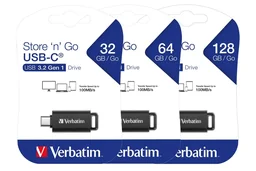
Für Kameras oder Messgeräte im Außenbereich eignen sich speicherplatzsparende Karten. Die
ist eine zuverlässige microSDXC Karte mit SD-Adapter. Sie hält auch wechselnden Temperaturen stand, wie sie in einem Technikschrank im Gartenhaus vorkommen können.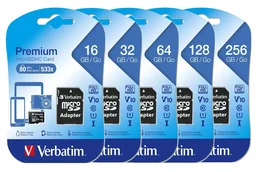
Für anspruchsvolle Anwendungen wie die Aufzeichnung von 4K-Videos Ihrer Anlage oder schnelle Datenlogger wählen Sie die leistungsstärkere
. Ihre U3- und UHS-I-Klassifizierung garantiert hohe Schreibgeschwindigkeiten.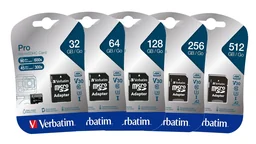
Die Entscheidung für einen PV Speicher ist ein Schritt in Richtung energieautarkeres Wohnen. Sie gewinnen Kontrolle über Ihre Stromkosten und machen sich unabhängiger von der Preispolitik großer Versorger. Kombinieren Sie die Technik mit smarten Verbrauchern in Haus und Garten, um den vollen Nutzen zu ziehen. Beginnen Sie mit einer professionellen Beratung und einer detaillierten Wirtschaftlichkeitsberechnung.
Häufige Fragen
- Wie viel Eigenverbrauch kann ich mit einem PV Speicher erreichen?
- Mit einem gut dimensionierten Photovoltaik Speicher steigern Sie Ihren Eigenverbrauch von Solarstrom von etwa 30% ohne Speicher auf 60 bis 80%. Der genaue Wert hängt von Ihrem Verbrauchsverhalten, der Anlagengröße und der Speicherkapazität ab. Ein professioneller Planungscheck liefert eine individuelle Prognose.
- Was kostet ein Solarstrom Speicher für ein Einfamilienhaus?
- Die Kosten für einen PV Speicher liegen bei 800 bis 1.500 Euro pro Kilowattstunde nutzbarer Kapazität. Für ein typisches Einfamilienhaus mit 5-10 kWh Speicher sind Investitionen zwischen 5.000 und 12.000 Euro netto realistisch. Förderprogramme und steigende Strompreise verbessern die Amortisation.
- Welche Lebensdauer hat ein Batteriespeicher?
- Moderne Lithium-Ionen-Speicher für Photovoltaik erreichen eine kalendarische Lebensdauer von 15 bis 20 Jahren. Die Leistung nimmt dabei langsam ab. Hersteller gewähren oft Garantien für eine bestimmte Restkapazität (z.B. 80% nach 10 Jahren) oder eine maximale Anzahl von Ladezyklen.
- Kann ich einen PV Speicher nachrüsten?
- Ja, Sie können einen Solarstrom Speicher in der Regel problemlos nachrüsten, wenn Ihre bestehende Photovoltaik-Anlage kompatibel ist. Wichtige Punkte sind die Abstimmung mit dem Wechselrichter und die vorhandene Verkabelung. Ein Fachbetrieb prüft die technischen Voraussetzungen und plant die Installation.
- Lohnt sich ein Speicher auch ohne Einspeisevergütung?
- Ja, besonders dann. Da die Einspeisevergütung niedrig ist, lohnt es sich finanziell, möglichst viel Solarstrom selbst zu verbrauchen. Ein Speicher macht genau das möglich. Jede selbst genutzte Kilowattstunde spart Ihnen den hohen Bezugspreis vom Energieversorger und verbessert die Rendite Ihrer PV-Anlage.
Das könnte Sie auch interessieren
- Photovoltaik Speicher nachrüsten: So optimieren Sie Ihren Eigenverbrauch
- Solarstrom fürs Eigenheim: Grundwissen Photovoltaik
- Photovoltaik auf dem Hausdach: Kosten, Nutzen, Entscheidung
- Photovoltaik-Anlage mit Speicher: Kosten und Planung
- Solaranlage DIY: Photovoltaik selbst aufbauen
- Photovoltaikanlage einfach erklärt: So funktioniert Solarstrom