
In brief: A successful renovation starts with a thorough assessment of the property and clear goals. Create a detailed budget that includes a contingency, obtain the necessary permits and plan the work in the right order, from major construction to finishing touches. Good planning saves time, money and stress.
Renovating a house is an exciting project. You can transform outdated rooms into a modern home that matches your vision. But without a solid plan, the dream can quickly become a nightmare of spiraling costs, missed deadlines and stress. The key to an efficient renovation is careful planning. This guide shows you how to set up your project the right way from the start.
Why is detailed renovation planning essential?
Good planning is more than a to-do list. It is your roadmap, guiding you through every phase of the renovation. You define the scope, control costs and coordinate everyone involved. A well-thought-out plan prevents expensive mistakes and helps the work move forward smoothly. In the end, it saves you time, money and stress.
Imagine the painter arriving before the electrician has installed the new wiring. Or the new flooring being delivered before the subfloor is dry. Coordination problems like these lead to delays and frustration. Detailed planning minimizes the risk and gives every contractor a clear schedule.
A home is more than just four walls – it is a reflection of our soul. Its design should therefore always reflect the personality of its occupants and create a sense of well-being.
How do you create a realistic renovation plan? A step-by-step guide
A renovation project is divided into several logical phases. Work through them in order to stay in control and make sure nothing important gets overlooked.
Phase 1: Assess the property and set goals
Before you start knocking down walls, thoroughly assess the property. What condition are the roof, exterior, windows, heating system and wiring in? Where are there defects or damage? Take photos and make a list of the work needed. Then set your goals: Do you want to improve energy efficiency, update the layout or make the home accessible? The clearer your vision, the easier the rest of the planning will be.
Phase 2: Set your budget and arrange financing
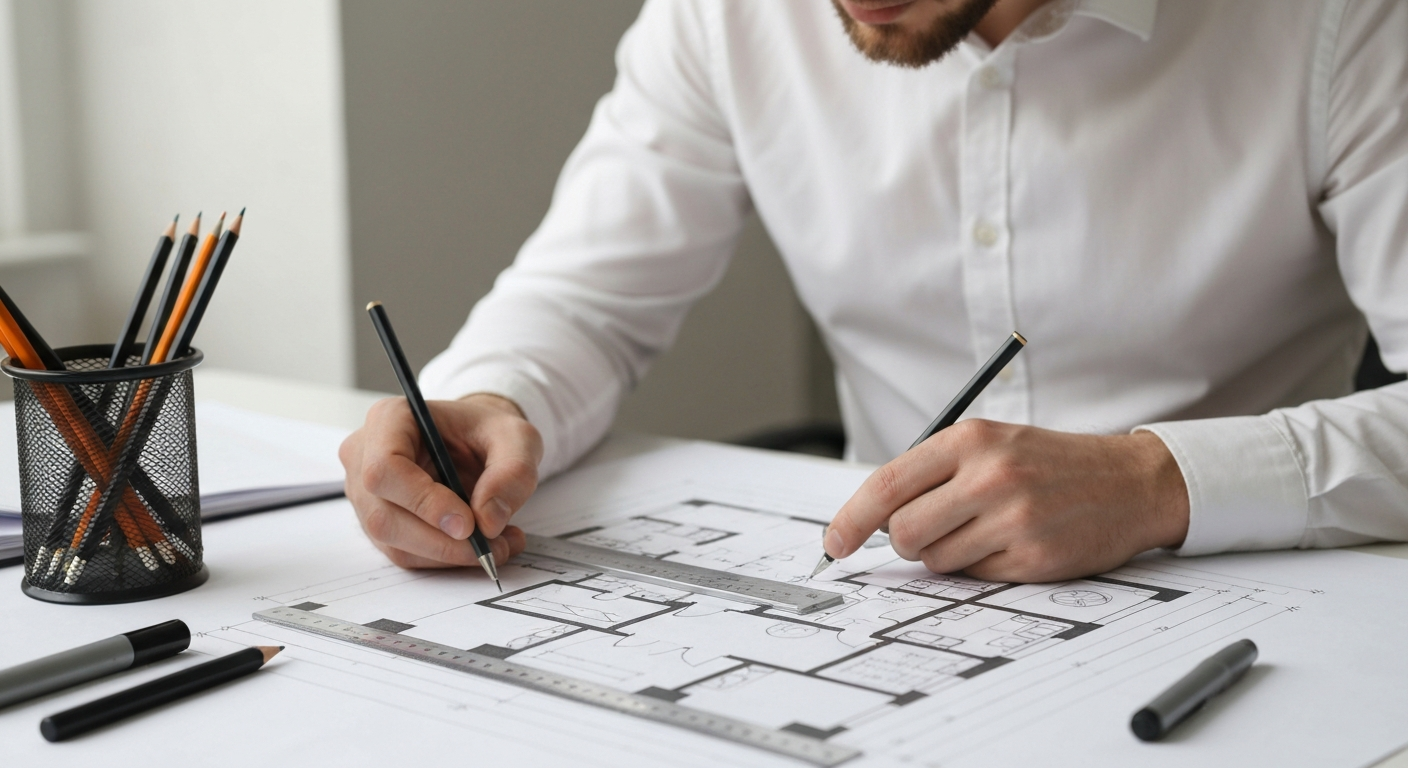
Determine your total budget. Get preliminary estimates from contractors to understand the overall cost. Always include a contingency of at least 15-20 % for unexpected expenses. Older homes almost always come with surprises. Also look into German government funding programs, such as those offered by KfW Bank or BAFA, especially for energy-efficiency upgrades.
Additional advice
Document the entire renovation with photos. This helps you coordinate the work, creates a useful record and may come in handy if you sell the house later. Keep a project log to track daily progress, decisions and any problems.
Phase 3: Permits and professionals
Some renovations require a building permit. If you alter load-bearing walls, significantly change the exterior of the house or change how the property is used, you may need approval. Check early with your local building department. Larger projects may also require professionals such as an architect, structural engineer or energy consultant. Choose your partners carefully and get several quotes.
Phase 4: Create a schedule and source materials
Create a detailed schedule. A Gantt chart works well because it shows how the individual steps depend on one another. Set realistic deadlines and allow time for the subfloor and plaster to dry. Start sourcing materials early. Order tiles, flooring and bathroom fixtures well in advance to avoid supply delays.
What is the right order for renovating a house?
The right sequence of work is essential for an efficient renovation. Doing things in the wrong order can mean rework and extra costs. The basic rule is to work from rough to finished, and from dirty to clean.
A typical renovation follows this order:
- Clear-out and demolition: Remove anything that needs to go: old wallpaper, tiles, flooring, non-load-bearing walls and outdated installations. Protect the parts of the building that will stay with heavy-duty tarps and nets. Handy products such as the 3-hole tarp hooks make it quick and easy to secure them.
- Structural work: Build new walls, lower ceilings or create openings in masonry.
- Roof and exterior: Complete work on the building envelope as early as possible to protect the house from the elements.
- Windows and exterior doors: Install new windows and doors to seal the building.
- Rough-in work: Electricians, HVAC contractors and plumbers install the wiring and pipes for electricity, water and heating in the walls and floors. This includes the house drainage pipe system.
- Interior plaster and subfloor: Plaster the walls and pour the subfloor. Be sure to allow plenty of time for drying!
- Drywall: Install lightweight walls and ceiling panels.
- Flooring and tile: Once the subfloor is completely dry, install tile, hardwood, laminate or other flooring.
- Painting and doors: Paint the walls and ceilings, then install interior doors.
- Final installations: Finally, contractors install outlets, light switches, lights, radiators, and bathroom and kitchen fixtures. Details such as a new belt guide for roller shutters also belongs in this phase.

Pro tip
Create a separate materials and tools list for each room. Gather everything you need before starting work in that room. This prevents constant searching and interruptions. Buy consumables such as screws and tape in larger quantities to avoid repeated trips to the hardware store.
How can you save time and money on a renovation?
Renovating can be expensive, but there are plenty of ways to cut costs without sacrificing quality.

Be realistic about your DIY skills: Think carefully about which tasks you can and want to handle yourself. Demolition, wallpapering and painting are common DIY projects. For removing old plaster or adhesive residue, a powerful tool such as the
the RG 130 ECI renovation grinder can be worth its weight in gold. Still, don't overestimate your skills or the time you have available. Always leave electrical and plumbing work to a professional.
Compare contractor quotes: Get at least three quotes for each type of work. Compare more than just the total price—review the detailed scope of work, too. The lowest quote may not be the best choice if it leaves out important items.
Shop smart for materials: Compare building material prices online and at local stores. Buying in bulk or choosing clearance items can often save you a lot. Ask your contractors, too; they may be able to get better prices from wholesalers.
Anyone who builds without thorough planning and independent expert advice builds expensively and takes unnecessary risks.
What are the most common renovation planning mistakes, and how can you avoid them?
Many renovation projects run into trouble because of common mistakes. Knowing what to watch for can help you avoid them from the start.
Not budgeting enough is one of the most common mistakes. Without an adequate contingency fund, a single unpleasant surprise can put the entire project at risk. Another pitfall is underestimating how long the work will take, especially if you're doing it yourself. A full-time job often leaves less time for a renovation than you might expect.
Poor communication with contractors can also lead to misunderstandings and construction defects. Set clear expectations for the work and check progress regularly. Remember to plan the jobsite setup, too. You'll need space for materials, a dumpster for construction debris and possibly a portable toilet.
Important note
Buildings constructed before 1993 may contain hazardous materials such as asbestos or old mineral wool insulation. If you suspect they may be present, stop work immediately and consult a certified inspector. Improper removal can have serious health consequences and is a criminal offense.
Thorough planning is the best investment you can make in your renovation. It gives your entire project a solid foundation. Take the time to prepare each step carefully. With a clear plan, a realistic budget and the right professionals by your side, you can turn your property into your dream home without unnecessary stress. The effort you put in at the beginning will pay off with results you can enjoy for years to come.
Frequently Asked Questions
- What is the first step in renovating a house?
- The first and most important step is a detailed assessment of the property. Check the condition of the structure, roof, windows, heating system and utility lines. Then set clear goals and define the scope of the renovation. Without this groundwork, it's impossible to plan a realistic budget and timeline.
- What order should you follow when renovating a house?
- Work from the outside in and from top to bottom. Start with the roof and exterior, followed by the windows. Inside, begin with messy demolition work, then move on to rough-in plumbing and electrical work, followed by the subfloor, interior plastering, drywall, flooring, and finally painting and finish work.
- How much should you set aside for renovation contingencies?
- Set aside a contingency fund of 15 to 20 percent of the estimated total cost. Older homes often reveal unexpected problems, such as hidden mold, rotting timbers or outdated wiring. This reserve can help you avoid financial strain and work stoppages.
- Which renovation projects can you do yourself?
- Demolition, removing old wallpaper or flooring, painting, and installing laminate or click-lock vinyl flooring are good projects for experienced DIYers. Work on electrical systems, water pipes or the building's structural integrity should always be left to qualified professionals.
- When do I need a building permit for a renovation?
- A building permit is usually required if you alter the building's structure, for example by removing part of a load-bearing wall or adding a balcony. Contact your local building department in advance if you change how rooms are used or make significant changes to the exterior.
You might also be interested in
- Renovating a House: Planning and Key Steps for Your Project
- Energy Efficiency in Older Homes: How to Plan Renovation Work
- Planning a Bathroom Renovation: The Ultimate Project Checklist
- Smart Renovation: Modernize Your Home with a Systematic Approach
- From Painting to Renovating: Your Complete Home Renovation Guide
- Planning a Bathroom Renovation: Ideas, Costs and Practical Tips