
In brief: A riding lawn mower is ideal for lawns from 800 square metres upwards. When buying, look for the right cutting width, engine type (gas or battery) and transmission. Regular maintenance, such as cleaning the mower deck, changing the oil and sharpening the blades, helps extend its service life and maintain a consistently clean cut.
A large yard is a dream. But maintaining it, especially the lawn, can quickly become a time-consuming chore. When weekly mowing feels more like work than fun, it may be time for an upgrade. A riding lawn mower turns lawn care from a tiresome task into a quick, comfortable job. You can get the work done in a fraction of the time while taking the strain off your back.
This guide will help you find the right riding lawn mower for your needs. You’ll learn what to look for when buying one and how to maintain your mower so it serves you reliably for years to come.
Why is a riding lawn mower the right choice for large yards?
Once your lawn reaches around 800 square metres, a conventional push mower starts to reach its limits. That’s where a riding lawn mower offers major advantages. The biggest benefit is the time and effort you save. Instead of walking behind a noisy machine for hours, you can sit comfortably and finish the job in no time.
Compared with another popular option for large-area lawn care, the robotic lawn mower, a riding lawn mower gives you more control and flexibility. You decide when and how to mow, and you can also tackle taller or damp grass that many robotic mowers struggle with. Plus, many riding lawn mowers are versatile and can be fitted with accessories for other garden tools, such as trailers, lawn aerators or even snow plows.
Choosing the right mowing height is essential for a healthy lawn. Cutting too low weakens the grass and encourages moss and weeds.
A riding lawn mower is an investment in your free time and the health of your lawn. With the right mower and proper care, you can get a neat, even cut that will make your neighbors envious.
Which riding lawn mower is right for your yard? The most important criteria
Choosing the perfect riding lawn mower starts with assessing your needs. Your yard’s size and layout are key. A flat, square lot has different requirements from a sloped yard with lots of trees and flower beds.
Coverage and cutting width: The essentials
Cutting width is the most important measurement. It determines how quickly you can finish mowing. For areas of 800 to 1.500 m², a compact minirider with a cutting width of 60 to 76 cm is often sufficient, such as the easy-to-maneuver Riding lawn mower - MINIRIDER 60 RDE
. For larger areas of up to 3.000 m², consider a model with a cutting width of 76 to 96 cm, such as the Riding lawn mower - MINIRIDER 76 RDE .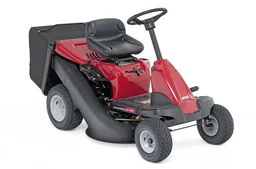
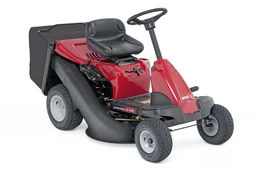
A wider cutting width means fewer passes and less time spent mowing. However, wider mowers are harder to maneuver and may not fit through narrow garden gates or between flower beds.
Engine power: Gas or battery?
A gas engine is the traditional choice. It delivers plenty of power, is durable and works well on very large or challenging areas with tall grass and slopes. Gas-powered mowers are proven garden maintenance machines, but they need regular upkeep, including oil and spark plug changes.
Additional advice
Modern battery-powered riding lawn mowers are an excellent alternative. They are quiet, produce no exhaust emissions and require very little maintenance. A model such as the 56 V LFP battery riding lawn mower
can cover an impressive area on a single charge. Before buying, check the stated coverage per charge to make sure it’s enough for your yard.
For most residential yards up to 4.000 m², modern battery-powered mowers have more than enough power. Their quiet, low-vibration operation also makes mowing much more comfortable.
Transmission types: Transmatic, hydrostatic or manual?
The transmission has a big impact on driving comfort. A manual transmission is the simplest and most affordable option, but you have to stop to change gears.
A Transmatic transmission lets you shift gears while moving, making mowing more comfortable. A hydrostatic transmission is the most premium and comfortable option. It lets you adjust your speed smoothly with a foot pedal, much like an automatic car. This makes it easy to maneuver precisely and match your speed to the terrain.
Rear or side discharge? Which is better?
Side-discharge mowers spread grass clippings across the lawn. This works well for tall grass or orchards where you can leave the clippings in place. The downside is that clippings can end up on flower beds, paths and patios.
Rear-discharge mowers send clippings straight into a collection bag. This gives you a clean finish and makes them the best choice for well-maintained ornamental lawns. You’ll need to empty the bag regularly, but the lawn looks immaculate afterward. Many rear-discharge models can also be easily converted for mulching.
How do you care for your riding lawn mower? A step-by-step guide
A riding lawn mower is a significant investment in your lawn and garden equipment. With the right care, you can preserve its performance and value for many years. Take a little time to service it after every use and at the start of each season.
Checks before and after every use
Before starting, check the oil level and tire pressure. It’s also worth taking a quick look at the blades. After mowing, cleaning is the most important task. Remove grass clippings from the mower deck and around the engine. This prevents rust and ensures good airflow for cooling.
Expert tip
It’s best to clean the mower deck immediately after mowing, while the grass clippings are still damp. A garden hose and brush make this quick and easy. Many mowers have a built-in washout port, which makes cleaning the underside of the cutting deck much easier.
Thorough cleaning
Grass clippings stuck to the mower deck retain moisture and encourage corrosion. Thorough cleaning not only prevents rust, but also ensures a better cut because airflow inside the cutting deck isn’t obstructed. Use a plastic scraper to remove heavy buildup, followed by water and a brush.
Seasonal maintenance: the full service
At least once a year, preferably before storing the mower for winter, you should perform or schedule a more comprehensive service. This includes:
- Oil change: As with a car, fresh oil is essential for a long-lasting engine. Follow the intervals and oil types recommended by the manufacturer.
- Clean or replace the air filter: A clean air filter ensures optimum engine performance and lower fuel consumption. Tap it clean or replace it if it is heavily soiled.
- Check or replace the spark plug: A new spark plug improves starting and combustion.
- Sharpen and balance the blades: Dull blades tear the grass instead of cutting it. Have the blades professionally sharpened and balanced to prevent vibration and bearing damage.
These steps ensure that your mower is ready to go as soon as spring arrives and works reliably throughout the season. You’ll find many of these maintenance tasks apply to other garden power tools, too.
Safety first: what should you keep in mind when operating a riding mower?
Riding lawn mowers are powerful machines, so responsible handling is essential. Before your first use, read the owner’s manual carefully and familiarize yourself with all the controls and safety features.
Important note
Never mow on slopes that are too steep. The maximum slope is specified in the owner’s manual. Always mow up and down slopes, never across them, to minimize the risk of tipping. Disengage the mower deck when crossing paths or backing up.
Always wear sturdy footwear and make sure that no children or pets are near the running mower. Modern riding lawn mowers have important safety features, such as a seat safety switch that stops the engine and mower deck when you leave the seat. Never bypass or deactivate these switches.
Before performing any maintenance, especially on the blades, always disconnect the spark plug wire to prevent the engine from starting accidentally.
With care and attention to the safety rules, operating a riding lawn mower is a safe and efficient way to achieve your dream of a perfectly maintained large lawn. Explore Westfalia’s wide range of Garden + Outdoor products and find the right equipment for your green oasis.
Frequently Asked Questions
- What size yard is suitable for a riding lawn mower?
- A riding lawn mower is recommended for lawns of around 800 to 1,000 square meters. On large areas like these, you can save considerable time and effort compared with a walk-behind mower. For very intricate yards, a maneuverable mini riding mower can also be a good solution.
- What’s the difference between a riding lawn mower and a lawn tractor?
- Riding lawn mowers are generally more compact and maneuverable, with the engine under the seat. Lawn tractors are larger, more powerful, and usually have the engine at the front under a hood. They’re suitable for very large areas and can often be used with more accessories, such as snow plows or trailers.
- Gas or battery-powered riding mower: which is better?
- Gas-powered riding lawn mowers usually offer more power and unlimited range, but they’re louder and require more maintenance. Battery-powered models such as PRODUCT_101835 are quieter, produce no exhaust emissions, and are easier to maintain, but have a limited runtime per charge. The right choice depends on the size of your lawn and your priorities.
- How often should I sharpen riding mower blades?
- You should sharpen the mower blades at least once per season, ideally after around 25 operating hours. Dull blades tear the grass instead of cutting it cleanly. This causes brown tips and makes the lawn more susceptible to disease. Check the blades regularly for damage.
- Can I use a riding lawn mower for mulching?
- Yes, many modern riding lawn mowers offer a mulching function. The grass clippings are finely shredded inside the cutting deck and spread over the lawn as natural fertilizer. This saves you from disposing of the clippings and supplies the lawn with important nutrients. When buying, look for a compatible mulching kit.
You may also be interested in
- Robot lawn mowers for large yards: options and benefits
- Riding lawn mowers: more than mowing, with versatile uses
- Self-propelled lawn mowers: stop pushing and enjoy the ride
- Robot lawn mowers: buying, installation, and maintenance
- Buying a lawn mower: the right type for every yard
- Lawn mowers: key features to consider when buying