
In brief: Good safety glasses protect your eyes from flying debris, dust and splashes. Key buying criteria include the EN 166 standard, a secure, comfortable fit and, when needed, an anti-fog coating. A basic pair may be enough for occasional tasks, while side protection and specialized coatings can be essential for frequent use.
Your eyes are irreplaceable. During many DIY projects, hobbies and professional tasks, they can be exposed to hazards such as flying debris, dust, splashes and chemicals. Reliable safety glasses are essential safety gear, not an optional accessory. Our 2026 safety glasses review and comparison helps you find the right pair for your needs among the many options available. We cover the most important buying criteria and compare specific products.
Table of contents
Which safety glasses standards matter?
Safety standards are the foundation of any buying decision. Safety glasses must meet specific requirements to provide the protection they promise.
The European EN 166 standard sets the baseline. It defines general requirements for personal eye protection. Look for the CE mark and standard designation on the product or packaging. Other standards cover specific hazards, such as splashes from liquid chemicals or welding sparks.
Always check these markings. They offer an initial indication of the glasses' quality and intended use.
What types of safety glasses are available?
Not every pair of safety glasses is right for every task. The design offers a clue to what each type is intended for.
Full-coverage safety goggles
These models, such as the Basic full-coverage goggles, enclose the entire eye with a large, often curved lens. They provide all-around protection and work well for tasks where hazards can come from the front and sides, such as grinding or milling.
Basket-frame or standard safety glasses
They look like regular glasses but are made of durable plastic. They are lighter and often better ventilated than full-coverage goggles, but offer less side protection. They are a good choice for lower-risk tasks or when comfort is a priority.
Over-glasses
These oversized glasses are designed to fit over prescription eyewear. They let people who wear glasses protect their eyes without giving up their vision correction.
Buying criteria at a glance
What makes safety glasses a good choice for everyday use? Along with the safety standard, these features matter.
Comfort: Glasses that pinch or slip after a short time are hard to wear consistently. Adjustable arms and a soft nose bridge can make a big difference.
Fog resistance: Regular lenses can fog up quickly, especially during extended wear or physical work. An anti-fog coating helps keep your vision clear. Learn more about other workplace safety topics here.
Scratch resistance: The lenses should have a hard coating to stand up to everyday wear. Scratches scatter light and can impair your vision.
Sealed edges: On high-quality models, the lens edge is joined directly to the frame. This helps keep splashes and dust from getting in around the edges.
Tip: Try on the glasses if you can. That is the best way to check whether the nose bridge feels comfortable and the arms press behind your ears. The right fit is personal.
How do the models compare?
Below, we highlight safety glasses for different needs and preferences, focusing on practicality, protection and comfort.
The CLARELLO safety glasses in clear are a solid all-around choice for many DIY tasks. For sturdy all-around protection with a large lens, we recommend the Basic full-view safety goggles. They are a classic choice for tools and workplace safety. If you want attractive design as well as protection, take a look at the CARINA KLEIN Design safety glasses.
Our highest-rated safety glasses, compared side by side:
| Model | Customer rating | Availability |
|---|---|---|
| CLARELLO safety glasses, clear 🏆 Top pick | ★ 4,7 (7) | In stock |
| Basic full-view safety goggles | ★ 4,8 (5) | In stock |
| CARINA KLEIN Design safety glasses | ★ 5,0 (3) | In stock |
| "CLARELLO" safety glasses, clear | ★ 4,5 (2) | In stock |
| "BASIC" full-view safety goggles | ★ 4,0 (1) | In stock |
Here are three models from our range, compared side by side:
The
stands out for its clear lenses and adjustable headband, which lets you customize the fit. are a good choice when you need full side protection. The large, wide-view lens gives you a broad field of vision.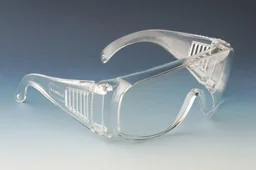
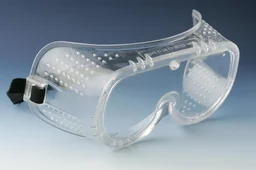
With the
you get a pair that combines protection with modern styling.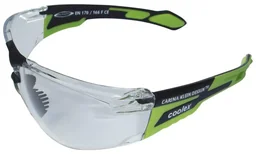
Warning: Even the best safety glasses cannot protect your eyes if you are not wearing them. Make a habit of putting them on for any potentially hazardous task, even a quick one. Accidents can happen without warning.
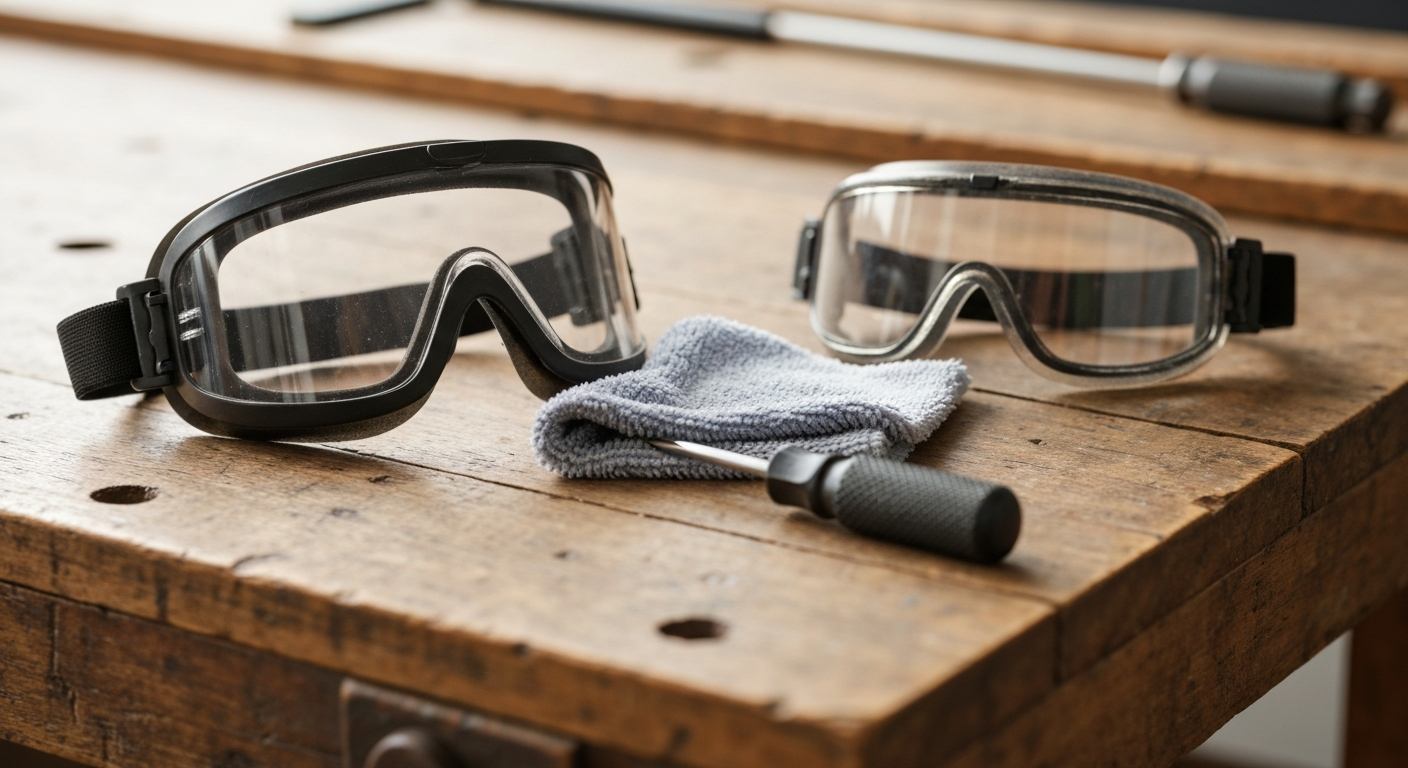
Note: The products featured here are examples from a wide selection. Tasks such as welding or handling chemicals may require specialized models that are not shown here.
How to care for and maintain your safety glasses
To keep your safety glasses working reliably for years, give them the right care.
Clean the lenses regularly with lukewarm water and mild dish soap. Dry them with a soft, lint-free cloth. Avoid harsh cleaners and sharp objects that could damage the surface.
Store your glasses in a clean, dry case or in a dust-free place. Keep the lenses facing up to prevent scratches.
Check your glasses for damage before each use. Even fine cracks or deep scratches can weaken the frame and compromise protection. If in doubt, replace them.
Conclusion: How to choose the right safety glasses
Choosing the right safety glasses depends largely on how you plan to use them. Ask yourself: What hazards do they need to protect against? How long will I wear them at a time? Will I wear them over my regular glasses?
As a basic rule, look for the EN 166 standard, a comfortable fit and scratch-resistant lenses. For extended wear, an anti-fog coating is almost essential. An adjustable headband can make them much more comfortable.
Invest in eye protection. The cost of high-quality safety glasses is minimal compared with the potential consequences of an eye injury. Protect your eyes consistently with the right gear.
Frequently asked questions
- Which safety glasses standard should I look for?
- The most important safety glasses standard in Europe is EN 166. It sets basic requirements for mechanical strength, optical quality and protection from liquid splashes. Look for the CE mark and the standard designation.
- Are anti-fog safety glasses better?
- Anti-fog coatings are especially useful when you wear safety glasses for extended periods or work in changing temperatures. They help prevent condensation from obstructing your vision, improving both comfort and safety.
- Can I wear safety glasses over my regular glasses?
- Yes. Special over-the-glasses safety glasses are designed to fit over prescription eyewear. Look for the manufacturer’s fit information and, if possible, try them on to check the fit.
- How often should I replace my safety glasses?
- Replace your safety glasses right away if the lenses are scratched, damaged or cloudy. They may no longer provide reliable protection if the arms become loose or the material develops cracks. If you use them frequently, check them regularly.
- What is the difference between full-coverage and basket-style safety glasses?
- Full-coverage safety glasses completely enclose the eyes and protect them from the front and sides. Basket-style safety glasses are lighter and often better ventilated, but provide less side protection. Choose the type that suits the specific hazard.
You might also be interested in
- Sun Protection Test & Comparison 2026: The Best Solutions Reviewed
- Hearing Protection Test & Comparison 2026
- Knee Pad Test & Comparison 2026: The Best Models Reviewed
- Safety Shoes Test & Comparison 2026
- Monitor Test & Comparison 2026: The Best Models Reviewed
- Cut-Resistant Clothing Test & Comparison 2026