
In brief: Self-watering globes supply plants with water for days or weeks. They work on a physical principle: a porous terracotta body slowly releases moisture into the soil. They’re ideal for potted plants while you’re away. They save water and help prevent waterlogging.
Self-Watering Globes: Keep Plants Watered
Planning a short trip or simply don’t have time to water every day? Self-watering globes are an easy solution. These terracotta or glass helpers keep your plants watered for days, saving you time and water.
The principle is simple but clever. We explain how self-watering globes work, which plants they’re best for and how to use them correctly. We’ll also show you alternatives for professional garden irrigation.
How do self-watering globes work?
A self-watering globe consists of a water reservoir and a long, narrow neck. You insert the neck into the soil with the globe upside down. The material is key: terracotta globes have a porous lower section.
Dry soil draws moisture through the terracotta by capillary action. The terracotta then releases the water slowly and steadily. When the soil is moist, the process stops, creating a natural cycle that regulates water release.
Glass models often work differently. Water drips through a small opening at the end of the neck and into the soil. Some models let you adjust the flow with a twist closure. Both systems have their advantages.
Terracotta’s steady release of moisture is ideal for many root systems. It helps prevent the stress caused by alternating periods of dryness and waterlogging.
The physical principle behind self-watering
Terracotta is hygroscopic, which means it can absorb and release water. Its pores act like tiny channels. The suction of dry soil is stronger than the surface tension of the water in the terracotta.
As a result, moisture moves into the soil. This continues until the moisture in the terracotta and the surrounding soil reaches a balance. Rain or hand watering won’t disrupt the cycle.
Which plants are self-watering globes suitable for?
Not every plant benefits equally. In general, self-watering globes are ideal for potted and container plants on patios or balconies. They work well for plants with moderate to high water needs.
They’re ideal for summer flowers such as geraniums, petunias and fuchsias. Many herbs, including basil and parsley, also do well with a steady water supply. Globes can also help small vegetable plants in pots, such as tomatoes and peppers.
Important note
Don’t use self-watering globes for succulents, cacti or orchids. These plants need special, well-draining growing media and can’t tolerate constant moisture around their roots. In these cases, globes can quickly cause root rot.
Plants with special requirements
Some plants need extra care. Hydrangeas in containers, for example, prefer consistent moisture but don’t tolerate wet feet. Choose the globe size carefully and pay close attention to the soil conditions.
Use high-quality, well-draining potting mix. Good drainage at the bottom of the pot is essential. Find more accessories for healthy plants in our Garden + Plant Accessories category.
How do I use self-watering globes correctly?
Correct use is key. First, fill the globe completely with water. Keep filling until no more air bubbles rise. The terracotta needs to be fully saturated.
Make a hole in the soil with a stick or your finger. It should be deep enough to hold the globe’s neck securely. Carefully place the filled globe straight into the hole, then gently press the soil around it.
Expert tip
Test the system a few days before you leave. You’ll see how quickly the globe empties and whether your plant is getting the right amount of water. If needed, adjust the globe size or add a second one.
Choosing the right position and number
Don’t place the globe right next to the stem. Insert it in the outer third of the pot, where fine feeder roots absorb water most effectively. One large globe can water a medium-sized plant.
Very large containers or thirsty plants such as tomatoes often need two or three globes. Space them evenly throughout the pot so water reaches all areas of the root system.
What are the benefits of self-watering globes?
The biggest benefit is that they work on their own. Your plants stay watered during a short trip of three to ten days, so you don’t have to ask neighbors to water them. That saves you the hassle of making arrangements and gives you peace of mind.
Self-watering globes support healthy root growth. The steady, slow release of water encourages roots to spread evenly instead of having to search for water.
They also save water. Instead of evaporating from the surface, water goes straight to the root zone. Less water is wasted through overflow or by soaking away beside the pot. This conserves resources and saves you money.
In my trials, terracotta watering aids reduced water use per potted plant by up to 30 per cent compared with hand watering on hot days. Evaporation losses were minimal.
Disadvantages and limitations
Self-watering globes have clear limitations. They aren’t suitable for large areas such as garden beds or lawns. You’ll need other systems for those. Take a look at our garden tools and watering solutions.
Their capacity is limited. In extreme heat and wind, a globe used for a thirsty plant may be empty after just a few days. They aren’t a solution for a vacation lasting several weeks.
You can’t precisely control how much water the globe releases. It depends on the soil’s ability to draw in moisture. If the growing medium is very loose, the globe may release water too quickly. If it’s compacted, water may be released too slowly.
What alternatives are there to watering globes?
For simple, short-term solutions, try wick-based watering. A water-absorbing cord connects a bucket of water to the plant pot, and the plant draws up what it needs. It’s inexpensive, though less attractive.
Professional micro-irrigation systems take things a step further. They consist of thin hoses, drippers and a controller. They’re flexible and allow precise watering. Find suitable kits in our micro-irrigation category.
Additional advice
Combine watering globes with other measures. Move your pots to a shadier spot, and cover the soil with bark mulch or gravel. This reduces evaporation and significantly extends how long the globes stay effective.
Automatic irrigation systems for larger projects
Want to water your entire garden or patio automatically? Programmable systems are the answer. An irrigation controller such as the
controls up to four zones independently.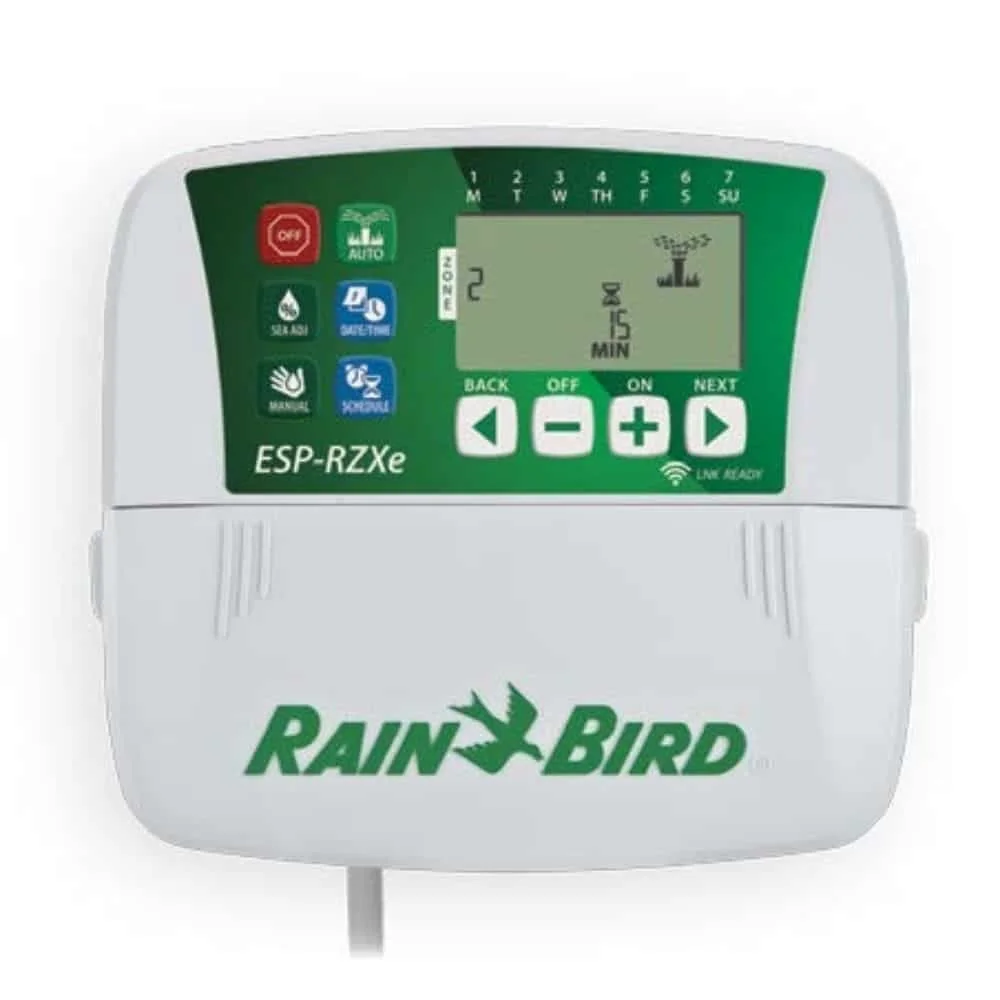
For more complex systems, the
controller is ideal for eight zones. You can connect it to sprinklers, soaker hoses or impact sprinklers. A garden irrigation kit often includes all the basic components you need.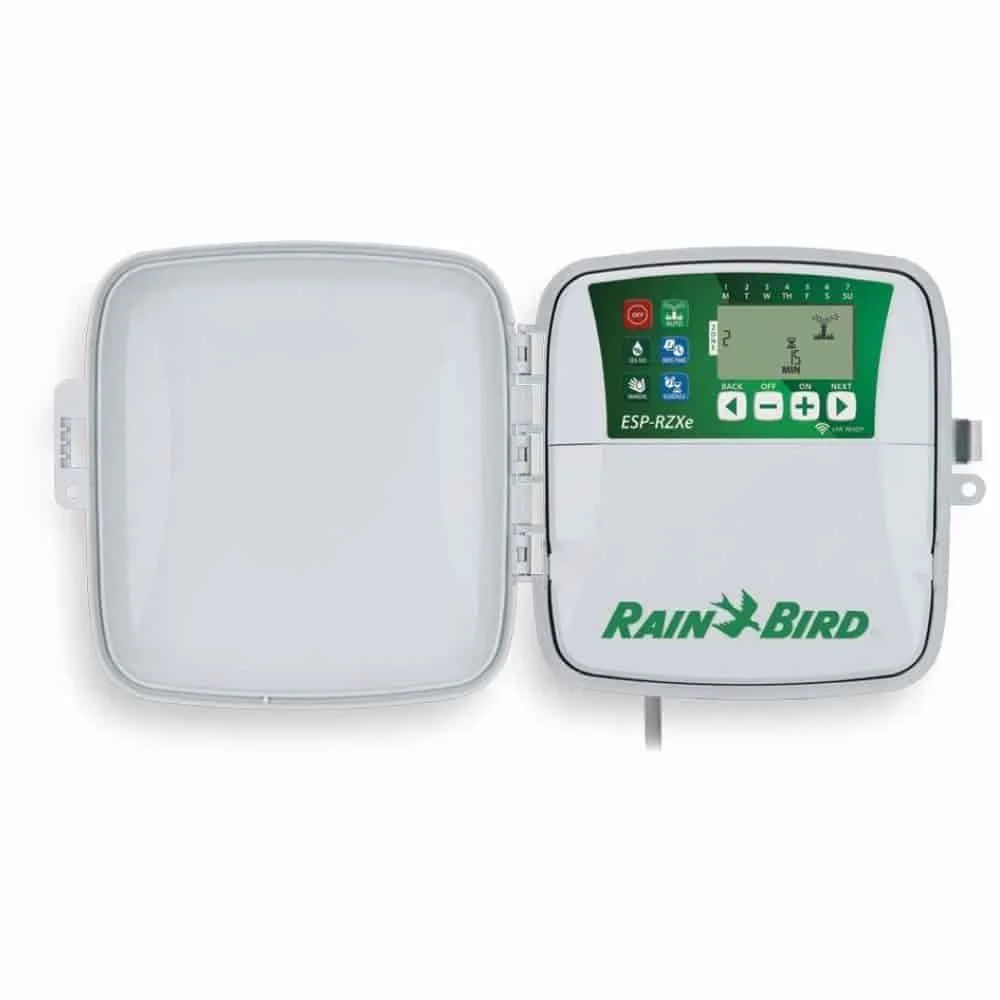
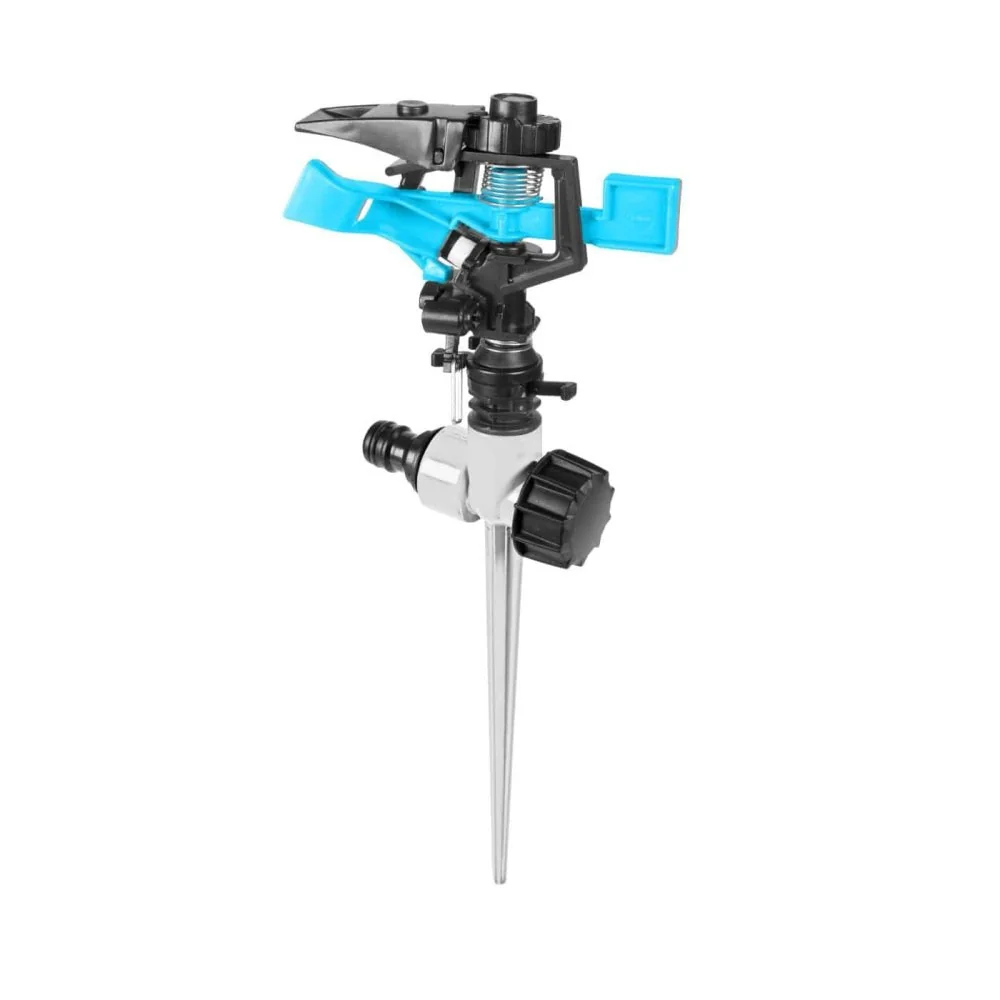
These systems work with timers or moisture sensors. They water plants precisely in the early morning, when evaporation is lowest, helping you save as much water as possible.
Caring for and cleaning your watering globes
To help your watering globes last, give them a little care. Empty them completely after use, then rinse the inside with clean water to remove mineral deposits or early algae growth.
Let the globes air-dry completely before storing them. Keep them in a dry, frost-free place. Terracotta is sensitive to frost, and freezing water left inside can crack it.
Common problems and their solutions
The globe isn’t releasing any water? The terracotta may be coated with mineral deposits or clogged. Soak the globe for several hours in a mixture of water and a little vinegar, then brush it carefully.
Does the water run out too quickly? The soil may have become too dry and porous. Water the plant thoroughly by hand before inserting the globe. This restores the soil’s capillary action.
Does the globe keep falling over? Its neck may not be inserted deeply enough into the soil. Make the hole deeper, or stabilize the neck with a small bamboo stick or wire support.
Conclusion: Simple help with clear benefits
Watering globes are a practical, ingenious aid based on simple physics. They’re an elegant way to water potted plants while you’re away. They save water and promote healthy growth.
You now know their limitations. They’re ideal for a few plants and a limited time. For more demanding needs or larger garden equipment, it’s worth investing in an automated system.
Whether you choose a simple globe or an automatic controller, a reliable water supply is the key to a vibrant, green home. Your plants will thank you.
Frequently asked questions
- How long does a filled watering globe last?
- It depends on the globe’s size, the size of the plant and the outdoor temperature. A standard 300 ml globe can water a medium-sized potted plant for about 5 to 10 days. In very hot weather or with thirsty plants, it may run out sooner. Test it before leaving for a longer vacation so you know how long it lasts.
- Which plants are watering globes suitable for?
- Watering globes work especially well for potted and container plants with moderate water needs. Geraniums, petunias, fuchsias and small vegetable plants are good choices. They may release too much water for succulents or cacti. Very large containers may need several globes or a system such as micro irrigation.
- Can I fill watering globes myself?
- Yes. Most models have a small opening that you can fill with tap water. A narrow-spout watering can or funnel works best. Fill the globe slowly until no more air bubbles rise. Make sure the clay body is fully saturated before using it for the first time.
- Do watering globes get moldy?
- Not if you care for them properly. Rinse the globe with clean water after use and let it air-dry completely. Store it in a dry, frost-free place to help prevent algae or mold from growing inside. If needed, clean it with a brush before the next season.
- Are watering globes an alternative to automatic irrigation?
- For a few plants and short absences, watering globes are a simple, cost-effective solution. For larger areas, garden beds or longer periods away, automatic irrigation with a controller is more efficient. These systems distribute water more precisely and can be programmed to run on a schedule.
You may also be interested in
- Smart garden irrigation: Improve efficiency & save water
- Optimize garden irrigation: How to keep your garden going through any drought
- How to water your lawn properly
- How to water plants properly in summer
- Watering plants properly: How to keep them healthy
- Garden hose systems: How to choose and maintain them for efficient watering