
In brief: Sharpening with aluminum foil can be an emergency fix for very dull knives. Fold the foil several times to create a stable edge, then draw the blade across it several times at a 15-degree angle. The trick removes tiny metal particles and smooths microscopic irregularities, but it will not create a lasting sharp edge like a proper whetstone.
How does the aluminum foil trick work?
Aluminum foil is made from aluminum, a comparatively soft metal. The apparent sharpening effect comes from two factors. First, the folded, slightly rough edge of the foil acts like very fine sandpaper. Second, a thin layer of aluminum oxide forms on the foil when it is exposed to air. This oxide is significantly harder than pure aluminum.
When you press the knife edge against the foil and draw it across, these hard particles scrape microscopic amounts of steel from the edge. This mainly removes small burrs and smooths the blade. It is not sharpening in the strict sense, but rather rough honing of the edge.
The idea behind the aluminum foil hack is not new. People once used similar principles with the base of a ceramic cup or its unglazed rim. It is an emergency measure to restore a usable edge, not a precision technique.
The science behind a quick edge
At a microscopic level, a sharp edge is a thin, clean line. With use, this line bends and becomes dull. Pressure against the aluminum foil partially straightens these microscopic "bulges". The amount of material removed is minimal, but noticeable. However, a lasting solution requires control over the exact sharpening angle.
Step by step: sharpening a knife with aluminum foil
Take a piece of sturdy household aluminum foil, about 30-40 cm long. Fold it lengthways several times until you have a strip about 10 cm wide and 4-5 layers thick. The edge should be stable without feeling rigid. Place the strip with its long edge on a stable, flat surface, such as your countertop.
Hold the knife at the correct angle of about 15-20 degrees to the foil. Draw the entire blade over the edge of the foil with even pressure, from the heel to the tip. Repeat this process on each side of the knife about 10-15 times. Try to keep the angle as consistent as possible.
Important note
Do not apply too much pressure. Draw the edge across the foil; do not press the knife into it. Always work away from yourself and keep your fingers away from the cutting edge. This method is intended for dull knives that are not completely worn out.
Carefully check the sharpness with a sheet of paper or a tomato. You will notice an improvement, but the knife will not be as sharp as a freshly sharpened blade. Depending on how you use it, the effect may last for only a few cuts.
Which knives are suitable?
Not every knife should be treated this way. Inexpensive kitchen knives made from softer steel tolerate the trick better than high-quality blades. Rough honing can quickly restore their cutting ability. Old garden knives or tools you only use occasionally may also be suitable.
High-quality chef's knives with special hardening or a thin grind are unsuitable. You risk damaging their precise edge or changing the bevel angle. These knives need the right tools, such as those found in the knives and hand tools section.
Pro tip
Try the method first on a knife whose condition does not matter to you. This will help you get a feel for the pressure and angle without risking your favorite knife. You can only achieve a truly sharp edge with the right accessories.
The exception: a pocket knife on the go
In an emergency, perhaps while camping or gardening, a piece of aluminum foil can help make a pocket knife's edge usable again. A practical helper for occasions like these is the
. It combines several tools in one.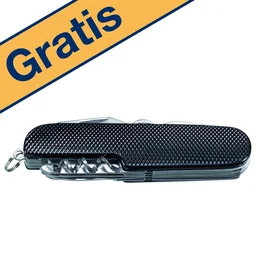
However, always bear its limitations in mind. The sharpness will not last. For serious work in the Garden & Outdoor sector, you need reliably sharp tools.
The limitations of this household fix
The aluminum foil hack is a makeshift solution, not a substitute for proper tools. Its biggest weakness is the lack of angle control. A consistent sharpening angle is essential for a sharp, stable edge. With foil, this angle inevitably varies.
The result is an uneven, often ragged micro-edge. The knife may cut again, but it will lose its sharpness extremely quickly. You also only remove material; you do not reshape the edge. With heavily worn knives, the amount of material removed is simply not enough.
Working on a knife with aluminum foil is like repairing a flat tire with a bicycle pump. It may get you the few meters to the next workshop, but it is not a solution for your next long-distance trip. Investing in the right tool is always worthwhile.
In the long term, frequent use damages the blade more than it helps. Uncontrolled wear can remove material unevenly from the blade and shorten its service life.
Professional Alternatives to Knife Sharpening
For a long-lasting sharp edge, you need the right equipment. A whetstone with different grits is a good place to start. For home use, simpler systems are often more practical.
Benchtop sharpeners with guided sharpening arms are a reliable solution. They help maintain a consistent angle. The
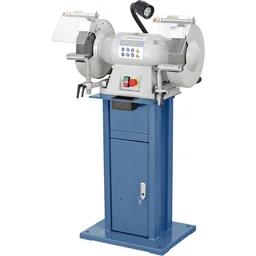
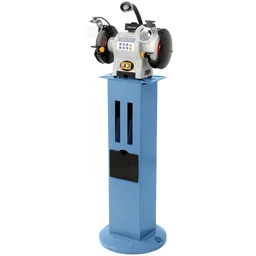
is a good choice for home use and delivers reliable results. For serious DIYers or small commercial applications, more powerful models such as the or the are good options.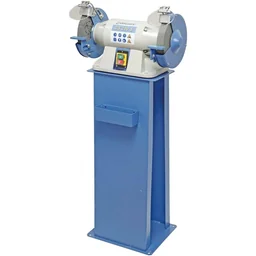
Additional tip
Don't wait until your knife is completely dull to sharpen it. Regular, light honing with a honing steel or sharpening rod helps maintain the edge and reduces the need for extensive resharpening.
Electric Sharpening Systems and Their Uses
For large numbers of tools or heavily used blades, such as those used in woodworking, electric planers and sharpening machines are a good choice. A
delivers plenty of power for the job. These machines should only be used by experienced operators, though, because incorrect handling can remove a lot of material very quickly.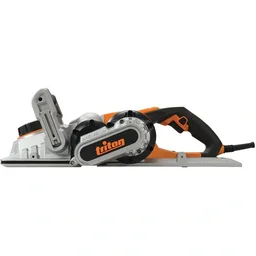
The right tool depends on your needs. Browse our workshop supplies category to find the right equipment.
Proper Knife Care for Long-Lasting Sharpness
Sharpening is one thing; proper care is another. Always use a suitable wooden or plastic cutting board. Glass or stone boards can quickly ruin a knife's edge. Wash sharp knives by hand right after use and dry them thoroughly.
Store knives safely, for example in a knife rack or block. Loose knives in a drawer can knock against one another and become dull. Use knife sheaths or blade guards when transporting them.
The Right Tool for Every Task
A chef's knife is no substitute for a can opener or a tool for cutting frozen food. Use the right specialized tool for each task to protect the blade. The same goes for the garden: don't cut wire or branches with fine garden shears. Find sturdy accessories for these jobs in our garden tools category.
The aluminum foil trick is an interesting household tip that shows how necessity can inspire ingenuity. For lasting, safe, and reliable results, invest in proper care and the right tools. Your knives—and your work—will benefit.
Frequently Asked Questions
- Why is aluminum foil supposed to sharpen a knife?
- Aluminum foil is softer than steel but contains microscopic, hard aluminum oxide particles. As you draw the edge across it, these particles act like a very fine abrasive and remove a tiny amount of metal. They smooth and realign the cutting edge but don't replace precise honing.
- How often can I sharpen my knife with aluminum foil?
- Use this method only occasionally, as an emergency fix. Frequent use can leave the edge uneven and ragged. Long-term knife care calls for suitable tools such as whetstones or honing steel, which you can find in our knives and hand tools category.
- Does the aluminum foil trick work on expensive chef's knives?
- We don't recommend using aluminum foil on high-quality chef's knives. This coarse technique can damage the fine grind and edge angle. Sharpen professional knives with suitable equipment, such as a benchtop sharpener like PRODUCT_112285 or a classic honing steel.
- Can I sharpen garden shears or other tools with aluminum foil?
- For coarse tools such as garden shears with a heavily worn edge, this method may help for a short time. For a lasting sharp edge, however, you'll need sturdier garden tools and suitable abrasives. The aluminum foil trick isn't a lasting solution.
- What is the best angle for sharpening a kitchen knife?
- The optimum angle for European chef's knives is typically between 15 and 20 degrees per side. Japanese knives often have sharper angles of around 10-15 degrees. Keep the angle consistent—a sharpening guide can help. Precision sharpeners maintain the angle automatically.
You might also be interested in
- How to Sharpen Knives Properly
- Clever Household Tips: Make Your Home More Efficient
- How to Care for and Sharpen Trimmer Blades: Make Them Last Longer and Cut Better
- How to Maintain and Flatten a Whetstone: The Guide
- Electric Knife Sharpener: How to Choose the Best One
- How to Sharpen Garden Shears: Get Your Tools Fit for Work Again