
In brief: A solar battery storage system increases your solar self-consumption from a typical 30% to 60-80%. It stores surplus power generated during the day for the evening, night and sunless days. This significantly reduces your electricity costs and makes you less dependent on rising energy prices. Correctly sizing your PV system and battery is essential.
Solar Battery Storage: Maximize Solar Self-Consumption
Your photovoltaic system produces the most electricity around midday. That is exactly when you may not be at home. The electricity is fed into the grid, where the payment is low. In the evening, when you switch on the lights and cook, you draw expensive electricity from the grid. Solar battery storage solves this problem. It stores solar power for when you need it.
This increases your energy independence and noticeably reduces your monthly bill. We show you how to get the most out of your system.
How does solar battery storage work?
A solar battery storage system is a large battery for your home. It stores electrical energy in chemical form. Modern systems use lithium-ion technology, similar to that used in electric cars and laptops, but with significantly greater performance and durability.
Your PV system's inverter converts direct current into alternating current. A battery inverter or hybrid inverter manages the energy flows between the panels, battery, home electrical system and public grid. The control system makes the smart decision: should the electricity be used immediately, stored or fed into the grid?
The profitability of a photovoltaic system is now largely determined by self-consumption. A well-sized battery doubles this figure and makes the system attractive even without high feed-in tariffs.
The components at a glance
You need three main components for a functioning system. The battery modules store the energy. The battery management system (BMS) monitors the state of charge, temperature and cell voltage. It protects against deep discharge and overload.
The battery inverter converts the battery's direct current into the alternating current used in homes. In AC-coupled systems, it is a separate unit. DC-coupled systems integrate this function into the PV inverter.
Why is solar battery storage financially worthwhile?
The calculation is simple. One kilowatt-hour of solar power generated on your own roof costs you around 8 to 12 cents to produce. You pay 30 to 40 cents for one kilowatt-hour from the grid. By using your own energy, you immediately save more than 20 cents per kWh.
Without a battery, you use only around 30% of your solar power directly. The rest is fed into the grid for a low payment. With a battery, you can increase self-consumption to 60% to 80%. That means savings of several hundred euros per year.
Pro tip
Do not calculate the financial viability using only today's electricity prices. Assume an annual price increase of 3-5%. This means your battery will pay for itself faster than a static calculation might suggest. The savings increase year after year.
Do not forget government funding. KfW offers low-interest loans for storage systems through the "Renewable Energies - Standard" programme. Some federal states and local authorities have their own grant programmes. Find out more before investing.
How do I size the battery and system correctly?
Too large is expensive. Too small will not deliver the desired result. Find the right size based on your annual electricity consumption and PV output. A rough rule of thumb: plan for 1 kWp of photovoltaic capacity per 1.000 kWh of annual consumption.
The battery capacity should be sized to cover your typical evening and overnight demand. For a 4-person household with consumption of 4.500 kWh, 5 to 8 kWh of usable storage capacity is a realistic guideline.
The ideal charging cycle
An optimally used battery charges with surplus PV power during the day. In the evening, when the sun goes down, it begins discharging. The aim is to have a state of charge of around 20% at sunrise. This leaves a buffer for possible power cuts, while the full capacity is available for the new day.
Avoid shallow cycles. A battery that is constantly charged and discharged only between 80% and 90% does not make full use of its capacity. Deeper, but not complete, discharges protect the battery and extend its service life.
The optimal battery size is based on the household's load profile, not the PV output. What matters is how much electricity is needed between sunset and sunrise. Simulating consumption over 24 hours provides the best basis for planning.
What technologies are available for storing solar power?
Lithium-ion batteries dominate the market. There are differences within this technology. Lithium iron phosphate (LFP) is known for its particularly high safety and longevity. It is less susceptible to thermal runaway.
Lithium nickel manganese cobalt oxide (NMC) offers a higher energy density. This means more capacity in the same amount of space. The choice depends on your priorities: maximum safety or maximum capacity where space is limited.
Important note
Never install a solar battery storage system in living rooms or bedrooms. Cool, dry and well-ventilated technical rooms such as basements, garages or utility rooms are ideal. Observe the ambient temperature specified by the manufacturer. Excessive heat drastically shortens the service life.
Outdated lead-acid and lead-gel batteries now play hardly any role in new installations. They are heavy, have lower cycle resistance and allow only shallow discharge.
How do I integrate the battery into my home and garden infrastructure?
Your solar battery storage system is the heart of a modern home energy supply. It can be connected to other appliances. A heat pump or electric garden irrigation system can be powered with clean solar energy.
Think about the future, too. A battery that covers your base load today could serve as a buffer for an electric car wallbox tomorrow. When choosing a system, check whether it can be expanded and which communication interfaces it supports.
Smart control for maximum efficiency
Modern energy management systems (EMS) control more than battery charging and discharging. They can also switch power-hungry appliances on automatically when PV production is high. The washing machine runs when the sun is shining, and so does the dishwasher.
For the garden, controlling irrigation pumps or pond filters is a good option. This allows you to use free energy directly on site. Suitable power tools for gardening can also be charged during the day.
Additional advice
Record your battery's performance data regularly. Note your self-consumption, feed-in and grid usage. Many manufacturers offer apps for this purpose. These data help you optimize the system and show you where you can time your consumption more intelligently.
Practical check: Installation, maintenance and safety
Installing a solar battery storage system is electrical work. Hire a certified electrical contractor. They will also correctly register the system with the grid operator and the Federal Network Agency. Incorrect installation may invalidate your warranty.
Maintenance requirements are relatively low. Check the ventilation slots regularly for dust. A qualified professional should carry out a system check every one to two years, updating the software and checking the electrical connections.
Proper protection and insurance
Your existing home insurance often does not automatically cover a battery storage system. Inform your insurer about the new installation. Check whether damage caused by fire, power surges or defects is covered. Separate solar PV insurance may be worthwhile.
For secure data communication with your energy management system, you should set up a separate, secure Wi-Fi network. Keep it separate from your regular home network to make external access more difficult.
Products for your energy transition in the garden and home
Reliable data storage devices are important for planning and monitoring your solar PV system. Back up generation data and consumption logs.
The
is a robust 128 GB USB-C flash drive. It is ideal for quickly transferring data from your laptop or tablet, where you analyse your solar app data.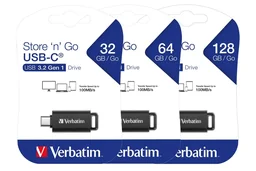
Space-saving memory cards are suitable for cameras or measuring devices outdoors. The
is a reliable microSDXC card with an SD adapter. It can withstand changing temperatures, such as those that may occur in a technology cabinet in a garden shed.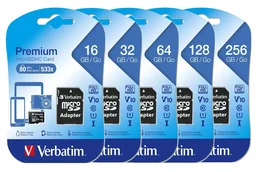
For demanding applications such as recording 4K videos of your system or using fast data loggers, choose the more powerful
. Its U3 and UHS-I classifications guarantee high write speeds.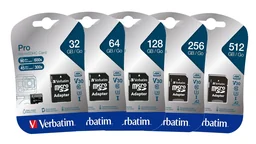
Choosing a solar battery storage system is a step towards a more energy-independent home. You gain control over your electricity costs and become less dependent on the pricing policies of major energy suppliers. Combine the technology with smart appliances in your home and garden to get the full benefit. Start with professional advice and a detailed financial assessment.
Frequently Asked Questions
- How much self-consumption can I achieve with a solar battery storage system?
- With a correctly sized solar battery storage system, you can increase your self-consumption of solar power from around 30% without storage to 60 to 80%. The exact figure depends on your consumption habits, system size and storage capacity. A professional planning assessment provides an individual forecast.
- How much does solar battery storage cost for a single-family home?
- A solar battery storage system costs between 800 and 1,500 euros per kilowatt-hour of usable capacity. For a typical single-family home with 5-10 kWh of storage, an investment of between 5,000 and 12,000 euros excluding VAT is realistic. Funding programmes and rising electricity prices improve the payback period.
- How long does a battery storage system last?
- Modern lithium-ion batteries for solar PV systems have a calendar lifespan of 15 to 20 years. Their performance gradually decreases over time. Manufacturers often provide warranties covering a specific remaining capacity (e.g. 80% after 10 years) or a maximum number of charging cycles.
- Can I retrofit a solar battery storage system?
- Yes, you can usually retrofit solar battery storage without difficulty if your existing solar PV system is compatible. Important factors include compatibility with the inverter and the existing cabling. A qualified professional will check the technical requirements and plan the installation.
- Is battery storage worthwhile without a feed-in tariff?
- Yes, especially then. Since the feed-in tariff is low, it makes financial sense to use as much of your solar power as possible yourself. A battery storage system makes this possible. Every kilowatt-hour you use yourself saves you the high purchase price charged by your energy supplier and improves the return on your solar PV system.
You may also be interested in
- Retrofitting solar battery storage: How to optimise your self-consumption
- Solar power for your home: Photovoltaics basics
- Solar panels on your roof: Costs, benefits and making the right decision
- Solar PV system with battery storage: Costs and planning
- DIY solar system: Build your own solar PV system
- Solar PV systems explained simply: How solar power works