
In brief: You can use solar power at home with decentralized systems such as portable solar panels, power stations and specialized devices. They provide green electricity for lighting, small appliances or garden irrigation. This increases your energy independence, reduces costs and helps protect the environment, without major construction work.
Solar Power at Home: Innovative Solutions for Sustainable Energy
The sun provides free energy. You can use it directly in your garden, on your balcony or for mobile applications. These solutions make you less dependent on the power grid.
We show you specific products and ways to use them. This makes it easy to integrate solar power into your everyday life.
How can I use solar power at home?
Photovoltaic modules convert sunlight into direct current. Small devices use this electricity immediately. Other systems store it in batteries.
The advantage is that these systems are decentralized. You do not need to install a large system. Instead, you can position panels and appliances close to each other.
This reduces transmission losses and makes installation much easier.
The basics: Portable solar panels
Small panels such as the
are a great starting point. They provide 2,5 Watt of power for trickle charging.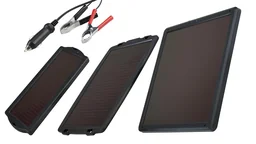
Connect one to the battery in your RV or motorcycle. The panel helps prevent deep discharge while the vehicle is parked.
It is also suitable for backup batteries or security cameras in your garden shed. Its versatility makes it useful for a wide range of applications.
Pro tip
Always position portable panels facing south. The tilt angle should roughly match your geographical latitude. In Germany, 30 degrees is ideal in summer. Increase the angle to 50 degrees in winter.
For a stable installation in your garden, find mounting brackets in our garden equipment category.
Why is a solar power station worth it?
A solar power station combines a solar panel, battery and inverter in one compact unit. The
provides electricity you can use right away.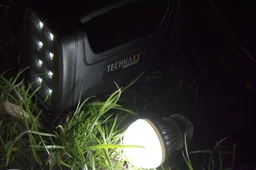
Charge it during the day with sunlight or from a wall outlet. In the evening, use it to power lamps, a laptop or a small cooler.
It is ideal for the patio, camping trips or backup power during an outage. It provides several hundred watt-hours of capacity.
“Decentralized solar power storage is the key to energy self-sufficiency. It reduces the strain on the grid and gives users control over their energy.”
Choosing the right model
Pay attention to the output in watts. This determines which devices you can connect. A laptop requires 50-100 Watt. An LED lamp needs only 5-10 Watt.
The capacity in watt-hours (Wh) indicates how long it can run. 300 Wh will power a 50-Watt laptop for around six hours.
Useful features include USB ports, 230V outlets and an LCD display that shows the charge level.
How do I water my garden with solar power?
Solar pumps operate completely independently. They need neither cables nor a wall outlet. The
pumps up to 1200 liters of water per hour.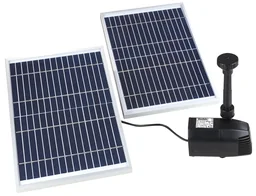
Place the pump in a rain barrel or pond, and position the connected panel in direct sunlight. The pump starts moving water as soon as sunlight reaches the panel.
The water flows directly to your flower beds or into an irrigation system. This is ideal for remote areas of the garden.
Important note
Solar pumps only operate when there is enough sunlight. For continuous irrigation on cloudy days, you need a pump with a built-in battery, such as the
. It stores solar energy for later use.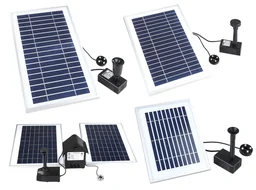
For hoses and water distribution systems, visit our garden irrigation department.
Comparing pump capacities
The 1200 l/h pump is enough for small flower beds. Larger areas or several drip lines require more power.
The
pumps 1600 liters per hour. It can handle greater differences in elevation. The pumping height is a key specification.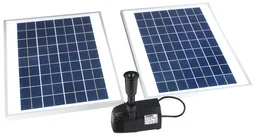
Always compare your irrigation system's requirements with the pump's technical specifications. More power does not automatically mean better irrigation, and it often means higher energy use.
Which small solar-powered devices are useful in everyday life?
The range of products is constantly growing. Solar-powered LED lights mark paths or illuminate seating areas. They charge during the day and switch on automatically in the evening.
Solar power banks such as the
can charge your smartphone while you're on the go. Built-in LEDs also work as an emergency flashlight.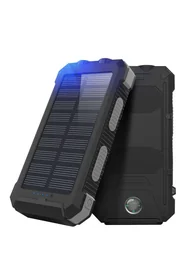
Even fans and radios now come with small solar panels. These devices can significantly reduce your use of batteries and mains electricity.
“Every kilowatt-hour of solar power avoids around 500 grams of CO2 emissions from conventional electricity generation. Even small systems add up.”
Adding solar solutions to existing systems
Combine solar solutions with other sustainable ideas. A solar pump can power a drip irrigation system for vegetable beds.
Use your power station to run electric garden tools from our power tools range. That lets you mow, shred or cut with clean energy.
Remember to store your equipment properly over the winter. Remove the batteries from the devices and store them in a dry, frost-free place.
Additional advice
Clean your solar panels regularly. Dust, bird droppings and pollen can reduce their output by up to 15 percent. Use soft water and a sponge, and avoid abrasive cleaners.
How do I plan a home solar project?
Start with a specific goal. Do you want to automate irrigation? Do you need portable power? Should a battery stay charged at all times?
Then work out your energy needs. Note the device's power rating (Watt) and expected operating time (hours per day).
Multiply the two values to find your daily consumption in watt-hours. Your solar product needs to supply at least that much power.
Checklist for a successful start
- Site analysis: Is there a sunny spot for the panel? It needs at least 4-6 hours of direct sunlight.
- Compatibility: Do the panel's voltage and connector match your device? Find adapters in operating supplies.
- Installation: Do you need brackets, cable ties or a stand? Plan for secure mounting.
- Maintenance: Is the panel designed for continuous outdoor use? Check its IP rating.
- Expandability: Can you add more panels or a larger battery later?
Start with a manageable project. Trickle-charging a battery is a good first step and a chance to gain experience.
Then expand your system. The energy independence you gain can motivate you to take on your next project.
Solar power gives you greater independence
Start small and scale up as needed. Every solar panel can help lower your electricity bill and reduce your environmental footprint.
The technology is mature and affordable. Products such as portable panels, power stations and pumps are ready to use right away.
Add them to your existing garden and outdoor equipment. That way, you can use solar energy wherever you need it.
Get started today. The sun provides the energy. You put it to work.
Frequently asked questions
- What can I power with a portable solar panel at home?
- A portable solar panel such as PRODUCT_131456 keeps vehicle or device batteries charged with a trickle charge. It's suitable for motorhomes, boats and motorcycles, and can also provide emergency power for power banks and small 12V devices. Its 2,5 Watt output is enough for continuous charging without overloading the battery.
- How does a solar pump work for garden irrigation?
- A solar pump, such as PRODUCT_133167, has a built-in solar panel. In sunlight, it starts automatically and pumps water from a rain barrel or pond. It doesn't need a mains connection, making it ideal for garden irrigation. The pump stops when the sun goes down.
- What's the difference between a solar power bank and a power station?
- A solar power bank is a compact battery for charging smartphones via USB, often with a built-in LED flashlight. A solar power station such as PRODUCT_82166 has a higher capacity and more powerful outputs (e.g. a 230V outlet) for running laptops, small refrigerators or lamps. It works like a portable mini power station.
- Can solar solutions make me completely energy independent?
- Small, decentralized solar products rarely replace a home's entire power supply. They can increase your energy independence in specific ways: you can irrigate your garden with solar power, keep emergency power on hand or charge devices without relying on the grid. Complete energy independence requires a large photovoltaic system with battery storage.
- Where can I find more accessories for solar projects in the Westfalia shop?
- Find suitable cables, batteries and mounting materials in our operating supplies and power tools categories. For the water connection needed to install a solar pump, see plumbing + irrigation.
You may also be interested in
- Solar technology for your home: efficient and sustainable
- Using solar energy at home
- Solar power for your home: from balcony panels to a power station
- DIY solar system: build your own photovoltaic system
- Solar power for your home: photovoltaic basics
- Photovoltaic battery storage: maximize your solar power self-consumption