
In brief: Spring pool cleaning removes algae, dirt and winter residue. Start by removing and cleaning the pool cover. Then vacuum the bottom, backwash the filter and adjust the water values with chlorine and pH products. The result is a clear, disinfected pool.
Spring Pool Cleaning: Get Ready for Swimming Season
The first warm days are here. Your pool is still covered with its winter pool cover. Now is the time for a spring clean. A systematic cleaning turns cloudy water back into a clear oasis. We show you how to proceed.
Forget complicated theories. Focus on the practical steps. You need some time, the right tools and a clear plan. The result is a hygienically clean pool that invites you to take a refreshing dip.
Why is spring cleaning so important for pool maintenance?
Over winter, dirt, leaves and organic matter collect in the water. Even beneath a good pool cover, algae and bacteria can multiply. The water becomes cloudy and greenish.
If you do not remove this residue, you put excessive strain on your filter system. The water chemistry becomes unbalanced. You use more chlorine and other pool care products. Thorough deep cleaning therefore saves you time and money throughout the season.
Spring cleaning is the foundation of a relaxing swimming season. If you work thoroughly at this stage, you will have fewer problems with algae and cloudy water all summer.
How do I start cleaning my pool? The first inspection
Start by taking stock of the situation. Carefully remove the pool cover. Set it aside so you can clean it later. Now check the water level and any obvious dirt.
Is the water green? Are coarse particles floating on the surface? Is there sludge on the bottom? Make a note of the condition. This will help you choose the right cleaning methods. Also check whether the equipment, such as the pump and filter, is visibly intact.
Important note
For safety, disconnect all electrical pool equipment from the power supply before starting any cleaning work. This includes the pump, filter system and electric heaters. Safety always comes first.
Which tools do I need for deep cleaning?
The right equipment makes the job easier. You can find suitable tools in our Garden + Outdoor category. A good place to start is a pool skimmer net for coarse dirt on the surface.
A pool brush is essential for the walls and bottom. The
is a curved brush that is ideal for corners and rounded surfaces. For thorough bottom cleaning, you need a pool vacuum.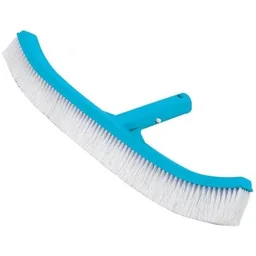
A practical set is the
. It contains a telescopic pole, a pool vacuum, a brush and a water thermometer. This gives you all the essential hand tools in one set. Do not forget a bucket and soft cloths for cleaning the waterline.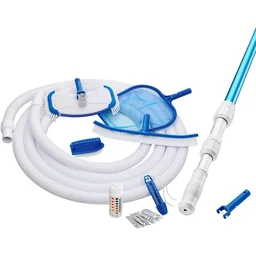
Step by step: The cleaning process
1. Remove coarse dirt
First, skim off leaves, insects and other floating particles. Work systematically from one side to the other. Dispose of the contents of the skimmer net in a rubbish bag, not in the garden. This prevents algae nutrients from getting back into the water.
2. Scrub the walls and bottom
Before switching on the filter, brush the walls and bottom thoroughly. This loosens algae deposits and dirt. Use the for curved surfaces. Work from top to bottom. The loosened dirt sinks to the bottom and is vacuumed up in the next step.
Pro tip
Also brush beneath the ladder steps and inside all skimmers. A lot of dirt collects here. These areas are often overlooked, but they are real breeding grounds for algae.
3. Filter and vacuum the water
Now switch on the filter pump. Set the valve to “Filter” or “Normal operation”. Let the pump run for several hours to remove fine suspended particles. Use the pool vacuum for sludge on the bottom.
Depending on the system, connect it to the skimmer or a separate suction connection. Vacuum the entire bottom slowly and thoroughly. Take care not to draw too much sand or gravel from the filter bed into the system.
Many pool owners switch off the pump too soon. Feel free to let it run for 24 hours after vacuuming. The water will become noticeably clearer, and the filter will have time to collect all the particles.
4. Backwash and clean the filter
After intensive vacuuming, the filter is full. Now you need to clean it. With sand filters, set the valve to “Backwash”. Let the water flow through until it runs clear in the sight glass.
Then set it to “Rinse” for about one minute before switching it back to “Filter”. With cartridge filters, remove the cartridge and rinse it with a strong jet of water. Dry it completely before using it again.
How do I adjust the water chemistry after cleaning?
Clear water is not automatically hygienic water. Now it is time to adjust the chemistry. First test the pH value with test strips or a liquid test. The ideal value is between 7,0 and 7,4.
If the value is too high, use pH Minus. If it is too low, add pH Plus. Wait several hours for the product to disperse, then test again. The disinfectant only works effectively when the pH value is correct.
Additional advice
Shock chlorination is suitable for simple, quick deep disinfection. To do this, add fast-dissolving chlorine granules directly to the water according to the pool size. Leave the pump running.
Next, bring the chlorine level to 1,0 to 3,0 mg/l. Use chlorine tablets in a floating dispenser or chlorine granules. Also test the total alkalinity. It stabilises the pH value and should be 80-120 ppm.
You can find everything you need for pool chemicals and other care products in our extensive Shop section. It also includes special algaecides and water clarifiers.
What should I do with the area around the pool?
A clean pool deserves clean surroundings. Sweep the patio area. Remove moss and algae from the paving slabs to reduce the risk of slipping. Pressure washers or specialist cleaners from the garden equipment category can help here.
A grass mat is an attractive and practical floor covering. The
in the 200 x 100 cm size or the smaller (120 x 60 cm) absorb water and prevent dirty feet. They are comfortable to walk on and look natural.

Also check the pool ladder for stability and rust. Clean it thoroughly. A clean and tidy area around the pool makes swimming much more enjoyable.
How do I prepare the equipment for continuous operation?
Check the pump for unusual noises. Inspect all hoses and connections for leaks. Lubricate moving parts such as valves if necessary. Set the pump's operating times.
In spring, 6-8 hours per day is often sufficient. Increase the operating time during hot weather or when the pool is used frequently. A timer controls the pump automatically and saves energy. You can find electrical products like these in the power tools category.
Fill the pool to the middle of the skimmer opening. This allows the system to work optimally. Make a note of the initial reading on your water meter. This will help you identify water consumption and any leaks later on.
Final check: Is the pool ready to use?
After one or two days of filtering and circulation, you should see crystal-clear water. Carry out a final water test. Check the pH value, chlorine and alkalinity. All values must be within the ideal range.
The water feels fresh and does not smell of chemicals or damp. You have an unobstructed view of the bottom. If all this applies, your pool maintenance for spring is successfully complete.
You can now take your first swim or invite the family for a dip. With this solid foundation, all you need during the season is regular weekly maintenance. This includes adding more chlorine, vacuuming the pool again and skimming off occasional debris.
Good preparation is half the battle. This is especially true for your pool. Invest the time in spring and you will not regret it all summer long. Enjoy swimming!
Frequently asked questions
- When should I open my pool in spring?
- Open your pool when the water temperature remains consistently above 12 °C. This is usually the case in April or May. Opening it too early encourages algae growth. Plan to clean it on a sunny day.
- Which water parameters should I test after cleaning?
- Test the pH value first. It should be between 7,0 and 7,4. Then check the chlorine level (1,0-3,0 mg/l) and total alkalinity (80-120 ppm). When these values are correct, the chlorine disinfects reliably.
- Can I simply refill a dirty pool?
- A complete water change is rarely necessary and costs a lot of time and money. Instead, clarify and filter the existing water thoroughly. A water change is only advisable in cases of extreme contamination or chemical problems.
- How can I effectively remove green algae from my pool?
- Brush all affected surfaces. Then carry out a shock chlorination treatment. Leave the pump running for 24 hours. Vacuum up the dead algae afterwards. An algaecide prevents new growth.
- What should I do with the pool cover in spring?
- Clean the cover thoroughly with water and a mild cleaner before storing it dry and protected from sunlight. A clean cover lasts longer. Check it for tears and repair them before the next season.
You may also be interested in
- Green pool water? Effective solutions and prevention
- Patio cleaning: Make your patio shine again
- DIY pool construction: Build your own garden pool
- Spring gardening: Start the season perfectly
- Pool cleaner test & comparison 2026: The best devices reviewed
- Chlorine in the pool: Risks, dosage and alternatives