
Kurz erklärt: Der beste Teichfilter hängt von Ihrer Teichgröße und Besatz ab. Für große Teiche bis 16.000 Liter eignen sich mehrkammerige Komplettsets mit UVC wie das FPU16000-00. Mittelgroße Teiche profitieren von leistungsstarken Außenfiltern wie dem WDF 20000. Für kleinere Teiche oder als Zusatzfilterung sind der WDF 10000 und spezielle Filtereinsätze eine gute Wahl. Entscheidend ist die richtige Dimensionierung der Fördermenge.
Ein klarer, gesunder Gartenteich ist der Stolz jedes Besitzers. Die unsichtbare Basis dafür ist ein leistungsstarker und passgenauer Teichfilter. Im Test und Vergleich 2026 zeigen wir Ihnen, welche Filtertypen es gibt und welche Modelle für welche Teichsituation die beste Wahl sind. Wir helfen Ihnen, das komplexe Thema zu entwirren.
Inhaltsverzeichnis
Filtertypen im Überblick
Nicht jeder Filter passt zu jedem Teich. Die grundlegende Entscheidung fällt zwischen drei Systemen.
Innenfilter vs. Außenfilter
Innenfilter platziert Sie direkt im Teich. Sie sind platzsparend und einfach zu installieren, eignen sich aber meist nur für kleine bis mittlere Teiche oder als Zusatzfiltration. Außenfilter, auch als Teichfilteranlage bezeichnet, stehen außerhalb des Teichs. Sie bieten mehr Platz für Filtermedien und sind leistungsstärker, benötigen aber mehr Stellfläche. Eine große Auswahl an Teichfilter für beide Varianten finden Sie in unserem Sortiment.
Mechanische, biologische und chemische Filterung
Ein guter Filter arbeitet in mehreren Stufen. Die mechanische Stufe entfernt grobe Schwebstoffe wie Laub oder Fischkot mit Filtermatten oder Schwämmen. In der biologischen Stufe bauen nützliche Bakterien auf speziellen Medien wie Lavakies oder Keramikröhrchen giftige Stoffe wie Ammonium und Nitrit ab. Die chemische Filterung, zum Beispiel mit Aktivkohle, entfernt Gelbstoffe oder Medikamentenrückstände und ist oft optional.
Tipp: Kombinieren Sie immer mechanische und biologische Filterung. Die mechanische Reinigung schützt die wertvollen Bakterienkulturen im Biofilter vor Verstopfung.
Die wichtigsten Kaufkriterien
Bevor Sie einen Filter kaufen, müssen Sie zwei zentrale Punkte klären.
Teichvolumen und Fischbesatz
Die Teichgröße in Litern ist der wichtigste Richtwert. Hersteller geben eine maximale Teichgröße an. Halten Sie sich daran, oder wählen Sie lieber eine größere Dimension. Ein stark bepflanzter Schwimmteich hat andere Ansprüche als ein Fischteich mit vielen Kois. Je mehr Fische, desto höher die Schadstoffbelastung und desto leistungsfähiger muss der Filter sein. Planen Sie bei Fischbesatz die angegebene Filterleistung mindestens 1,5-fach über.
Fördermenge und Leistungsaufnahme
Die Fördermenge der Pumpe in Litern pro Stunde (l/h) muss zum Filter passen. Eine zu schwache Pumpe durchströmt den Filter nicht richtig, eine zu starke spült die Filtermedien aus oder überfordert den UVC-Klärer. Die Faustregel: Das gesamte Teichwasser sollte in 1-2 Stunden umgewälzt werden. Achten Sie auch auf die Wattzahl der Pumpe. Eine energieeffiziente Pumpe spart über die Saison hinweg bares Geld. Für die komplette Ausstattung lohnt ein Blick in die Kategorie Teichbau.
Achtung: Ein unterdimensionierter Filter ist die häufigste Ursache für trübes Wasser und Algenprobleme. Investieren Sie lieber in ein etwas zu großes Modell. Das spart langfristig Ärger und Kosten.
Teichfilter Test 2026: Die Top-Modelle im Vergleich
Im praktischen Test haben sich verschiedene Modelle für unterschiedliche Anforderungen bewährt. Die folgende Tabelle gibt Ihnen einen schnellen Überblick über die wichtigsten Eigenschaften.
Die meistbewerteten Teichfilter aus unserem Sortiment im direkten Vergleich:
| Modell | Kundenbewertung | Verfügbarkeit |
|---|---|---|
| Aktivkohle Filtermatte PAK 45/32 Schwarz, Filterschwamm, 45 x 31,5 x 1,9 cm | – | Derzeit nicht verfügbar |
| Avalon Ersatz Aktivkohlefilter 4er Pack | – | Derzeit nicht verfügbar |
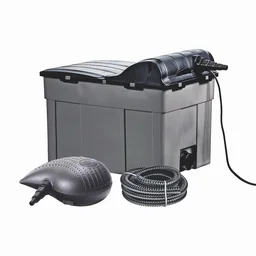
| Teichfilter-Komplett-Set "FPU16000-00" mit 3 Kammern, 18 Watt UVC-Teichklärer & Filterpumpe, für Teichgrößen bis 16.000 Liter | – | Derzeit nicht verfügbar |
| Ersatz 360 Pet F Aktivkohlefilter 3er Packung | – | Derzeit nicht verfügbar |
| Teichaußenfilter Kunststoff "WDF 10000" UV 11 bis 2.600 l/h Fördermenge | – | Derzeit nicht verfügbar |
Komplettsets für große Teiche
Für anspruchsvolle, große Teiche sind Komplettanlagen die erste Wahl. Das
Leistungsstarke Außenfilter
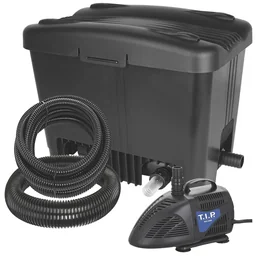
Für die Nachrüstung oder individuelle Konfiguration sind separate Außenfilter flexibler. Der
(Teichaußenfilter "WDF 10000" UV 11) deckt mit einer Fördermenge bis 2.600 l/h den Bereich kleiner bis mittlerer Teiche ab. Sein großer Bruder, der ("WDF 20000" UV 18 mit bis zu 4.000 l/h), bietet mehr Reserven für stärker belastete Teiche. Beide Modelle besitzen einen integrierten UVC-Klärer für klares Wasser.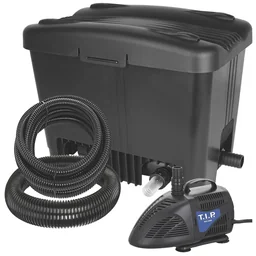
Spezielle Lösungen und Ersatzteile
Nicht immer wird ein komplett neuer Filter benötigt. Oft reicht die Optimierung des bestehenden Systems. Der
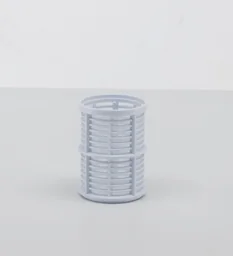
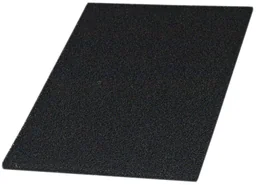
Hinweis: UVC-Klärer haben eine begrenzte Lebensdauer von etwa einer Saison (8.000-10.000 Betriebsstunden). Planen Sie den jährlichen Tausch der UVC-Lampe ein, um die Klärwirkung aufrechtzuerhalten.
Filtermedien und Zubehör
Die Leistung Ihres Filters können Sie mit den richtigen Medien optimieren. Füllen Sie die Kammern sinnvoll.
Schichtung der Filtermedien
Das Wasser sollte die Filtermedien in einer bestimmten Reihenfolge durchströmen. In der ersten Kammer kommen grobe Filtermatten oder Bürsten für die mechanische Vorreinigung. Danach folgen feinere Schwämme. Die letzte Kammer ist für die biologischen Medien wie Keramiksubstrat, Lavagranulat oder spezielle Bio-Bälle reserviert. Optional können Sie in einer separaten Kammer oder einem Säckchen Aktivkohle nachschalten.
Pflege der Filtermedien
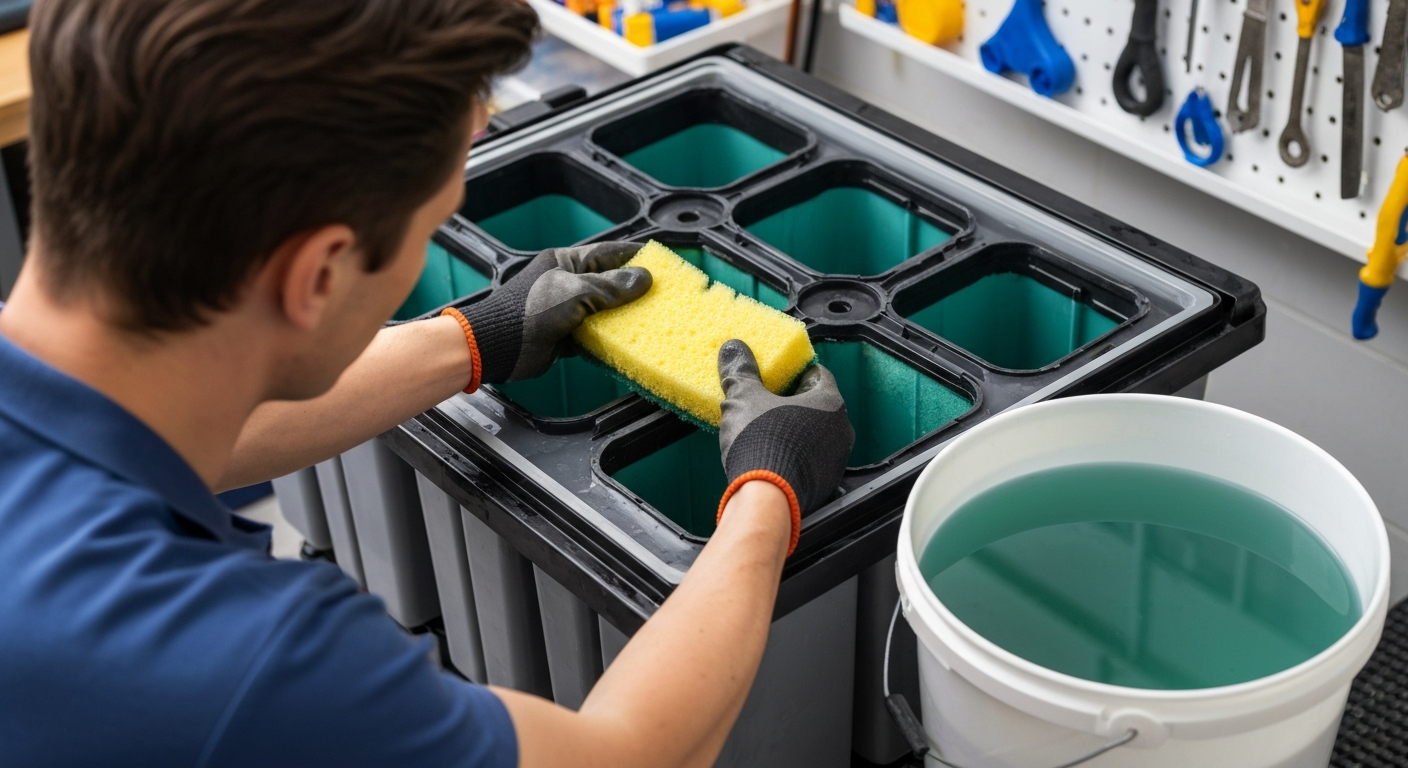
Reinigen Sie mechanische Medien wie Filtermatten regelmäßig durch Ausspülen in einem Eimer mit Teichwasser. Verwenden Sie niemals Leitungswasser oder Reinigungsmittel, da Chlor die Bakterienkulturen abtötet. Biologische Medien werden nur sehr behutsam und selten gereinigt, um das bakterielle Gleichgewicht nicht zu zerstören. Tauschen Sie Filtermatten aus, wenn sie sich nicht mehr reinigen lassen oder zerfallen.
Einbau und Wartung
Eine fachgerechte Installation und regelmäßige Pflege sind der Schlüssel zum langfristigen Erfolg.
Die richtige Platzierung
Planen Sie den Standort des Außenfilters so, dass er gut zugänglich ist. Sie müssen ihn alle paar Wochen zur Reinigung öffnen. Der Filter sollte möglichst nah am Teich stehen, um lange Schlauchwege und damit Druckverluste zu vermeiden. Bei Durchlauffiltern ist die Höhenposition entscheidend: Der Wasserauslauf muss oberhalb des Teichwasserspiegels liegen, damit das Wasser durch Schwerkraft zurückfließen kann.
Ein regelmäßiger Wartungsplan
Erstellen Sie einen festen Rhythmus. Während der Hauptsaison kontrollieren Sie alle 1-2 Wochen den Vorfilter oder Skimmer. Alle 2-4 Wochen prüfen Sie den Druck am Filter (bei Druckfiltern) oder spülen die mechanischen Medien. Ein steigender Druck zeigt eine Verstopfung an. Nehmen Sie den Filter vor dem Winter außer Betrieb, reinigen Sie ihn gründlich und lagern Sie die Pumpe und den UVC-Klärer frostfrei. So starten Sie problemlos in die neue Saison.
Häufige Fragen
- Wie oft muss ich meinen Teichfilter reinigen?
- Die Reinigungsfrequenz hängt von der Filterart und der Verschmutzung ab. Druckfilter und Kammerfilter reinigen Sie alle 2-4 Wochen während der Saison, indem Sie die mechanischen Filtermatten auswaschen. Biologische Medien wie Keramikröhrchen spülen Sie nur vorsichtig im Teichwasser, um die Bakterienkulturen zu erhalten.
- Braucht jeder Teich einen Filter mit UVC-Klärer?
- Ein UVC-Klärer ist besonders bei starkem Algenwachstum oder grünem Wasser sinnvoll. Er tötet Schwebealgen und Krankheitserreger ab. Für klare, biologische stabile Teiche mit vielen Pflanzen und geringem Fischbesatz kann ein reiner Biofilter ausreichen. Die UVC-Lampe hat eine begrenzte Lebensdauer und muss regelmäßig getauscht werden.
- Kann ich einen Teichfilter auch im Winter betreiben?
- Das ist möglich, aber nicht immer nötig. Laufen Fische im Teich, sollte die Wasserzirkulation aufrechterhalten werden. Stellen Sie die Pumpe dann aber flach, damit sie nicht das gesamte kalte Wasser umwälzt. Frostsichere Filter können draußen bleiben. Entfernen Sie bei Frostgefahr unbedingt den UVC-Klärer und lagern Sie ihn frostfrei.
- Was ist der Unterschied zwischen Druckfilter und Durchlauffilter?
- Ein Druckfilter arbeitet unter Druck und kann teilweise im Boden eingegraben werden, was die Optik verbessert. Ein Durchlauffilter oder Kammerfilter arbeitet mit Schwerkraft und muss oberhalb des Wasserspiegels platziert werden. Er bietet meist mehr Volumen für Filtermedien und ist einfacher zu warten, benötigt aber mehr Platz.
- Sind Ersatzfilter und Filtermatten universell einsetzbar?
- Nein. Filtermatten und Ersatzfilter wie die PRODUCT_87757 oder PRODUCT_143349 sind in der Regel herstellerspezifisch. Achten Sie auf die exakten Maße und die Kompatibilität mit Ihrem Filtermodell. Verwenden Sie nur passende Medien, um eine optimale Filterleistung und keinen Bypass zu gewährleisten.