
In brief: The right tires and wheels depend on your vehicle, driving conditions and driving style. In our 2026 comparison, we look at key factors such as tread depth, materials, load capacity and speed rating. We explain what to consider when choosing tires and wheels, and introduce useful tools for installation and maintenance.
Choosing the right tires and wheels affects your vehicle's safety, comfort and handling. Our 2026 comparison will help you find the right fit. We cover the key buying criteria and introduce useful tools for installation and maintenance.
Contents
- Understanding tires: key markings explained
- Choosing wheels: comparing materials and features
- The perfect fit: matching tires and wheels
- Practical tools: aids for installation and maintenance
- Buying advice: how to make the right choice
- Care and storage: keeping tires and wheels in good condition
- Our verdict: our recommendation for 2026
Understanding tires: key markings explained
A tire's sidewall displays a series of numbers and letters that provide important information. For example: 205/55 R16 91 V.
The first number (205) is the tire width in millimeters. The second number (55) is the aspect ratio, expressed as a percentage of the tire's width. The letter R stands for radial construction. The number 16 is the required wheel diameter in inches.
The load index (91) indicates the maximum load capacity per tire. The speed rating (V) shows the maximum speed rating. You can also find these details in your vehicle registration documents.
Winter, summer or all-season tires?
The right type of tire depends on the season and weather conditions. Summer tires provide the best grip on dry and wet roads in warm weather. Their rubber compound is designed for these conditions.
Winter tires have a softer rubber compound for temperatures below 7°C and a specialized tread with many sipes for better grip on snow and ice. All-season tires are a practical compromise in mild regions with little winter weather.
Avoid driving on winter tires in summer temperatures. Their soft rubber wears extremely quickly, braking distances increase significantly and road safety is seriously compromised.
Choosing wheels: comparing materials and features
Wheels do more than support the tires: they also affect handling and appearance. The two most common materials are steel and aluminum alloy.
Steel wheels are durable and inexpensive. They can withstand minor bumps against curbs. Their disadvantages are their greater weight and simpler appearance. They are often hidden beneath wheel covers.
Aluminum alloy wheels are lighter. This reduces unsprung weight and can improve ride comfort and suspension response. They are also available in a wide range of designs.
Pay attention to the offset (ET). This value indicates how far the wheel extends into the wheel well. The wrong offset can cause problems with the suspension or wheel wells.
Wheel size and driving comfort
Larger wheels with low-profile tires look sporty and can improve steering precision. However, ride comfort often suffers because the tires provide less cushioning. Smaller wheels with taller sidewalls absorb bumps more effectively.
The perfect fit: matching tires and wheels
Tires and wheels must fit together perfectly. The most important factor is the wheel diameter, which must match the tire marking exactly. A 205/55 R16 tire will only fit a 16-inch wheel.
The tire width should match the wheel width. Manufacturers specify permitted wheel widths for each tire size. A tire that is too narrow for a wide wheel becomes stretched and wears unevenly. A tire that is too wide for a narrow wheel bulges and loses stability.
Always check that the combination is approved for your vehicle. Not every wheel and tire combination is approved for your car. Check your vehicle documents or type plate for the correct specifications.
Have new wheels installed and balanced by a professional shop. This helps ensure your vehicle is safe to drive. An incorrectly installed or unbalanced tire can cause dangerous vibrations.
Practical Tools: Equipment for Tire Installation and Maintenance
The right equipment makes changing and maintaining tires much easier and safer. We present practical aids from our range.
Correct tire pressure is essential for safety, tread life and fuel economy. A digital tire inflator such as the
measures and automatically adjusts the pressure to the desired level. This saves time and ensures accuracy.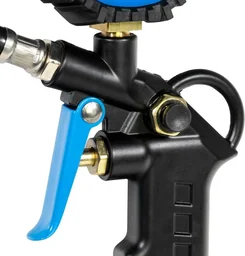
The legal minimum tread depth is 1.6 mm. Check it regularly yourself. A digital tire tread depth gauge
provides accurate readings up to 28 mm deep. This helps you spot wear early.
A sturdy tire dolly is ideal for storing or transporting mounted wheels. The
offers a safe, space-saving solution with its parking brake and protective cover. It lets you move wheels upright while keeping them protected.
Valves wear out over time. A set of new valves and dust caps
should be part of every tire change. High-quality valves seal reliably and help prevent gradual pressure loss.
Professional Shop or DIY Tire Installation?
Changing tires requires specialized tools and know-how. A professional shop ensures proper installation, balancing and wheel bolt torque. Experienced DIYers with the right equipment and a safe workspace can change tires themselves.
After changing tires, remember to relearn or calibrate your vehicle's tire pressure monitoring system (TPMS) according to the manufacturer's instructions. This is the only way to ensure the warning system works reliably.
Buying Guide: How to Choose the Right Tires and Wheels
Take a systematic approach to finding the right wheels and tires. Start by checking the sizes approved by your vehicle manufacturer. You can find these in your vehicle documents, inside the fuel filler door or in the owner's manual.
Choose the tire type that suits how you use your vehicle. Do you live in an area with harsh winters? Dedicated winter tires are the safest choice. Do you mainly drive in summer? Summer tires are the better option.
Look at test results from independent organizations such as ADAC or DEKRA. They assess factors including wet grip, tread wear, rolling resistance and noise levels. Strong results in these tests are a good sign of quality.
Consider rolling resistance. Tires with low rolling resistance save fuel and reduce CO2 emissions. You can often identify them by labels such as "Energy Saver" or similar markings.
Comparison Table at a Glance
Our comparison helps you quickly assess the features of the practical aids presented. The table summarizes the key characteristics.
Our most-reviewed wheels and tires compared side by side:
| Model | Customer rating | Availability |
|---|---|---|
| Compressor Adapter Set - 8-piece | – | Currently unavailable |
| "Collector HD" Bicycle Wall Mount | – | Currently unavailable |
| Bicycle Wall Shelf | – | Currently unavailable |
| Digital Tire Inflator 11 E | – | Currently unavailable |
| Digital Tire Tread Depth Gauge, 0 - 28mm | – | Currently unavailable |
Care and Storage: How to Keep Your Tires in Top Condition
Proper care extends the life of your tires. Clean the tire sidewalls regularly with water and mild soap. Avoid harsh cleaners or lubricants that could damage the rubber.
Store unused tires or wheels properly. The storage area should be cool, dry, dark and well ventilated. Direct sunlight and heat sources such as radiators can damage the rubber.
Mounted wheels (tires on rims) are best stored lying flat or standing on a rack such as the tire dolly mentioned above. Do not hang them up, as this can distort the rim.
Mark stored tires so you can identify their position on the vehicle (front/rear, left/right) when you install them next time. A chalk mark is enough. This helps compensate for uneven wear based on tire position.
Test Conclusion: Our Recommendations for 2026
Choosing the right tires is a safety decision. Always follow your vehicle manufacturer's specifications. Invest in high-quality tires suited to your typical driving conditions. Pair them with matching alloy wheels for a complete setup.
Practical aids are well worth having for tire maintenance and changes. A digital tire inflator and tread depth gauge help you keep track of your tires' condition and pressure. A tire dolly makes storage much easier.
Remember to replace the valves whenever you install new tires. With this systematic approach and the right products from our alloy wheels and tires selection, you'll be well equipped for years to come. Find more inspiration for your vehicle in our extensive range of categories.
Frequently Asked Questions
- How often should I replace my tires?
- Replace tires after 10 years at the latest, regardless of tread depth. Check the legally required minimum tread depth of 1.6 mm regularly. For summer tires, experts recommend replacing them when the tread reaches 3 mm, and winter tires when 4 mm of tread remains, for optimal safety.
- What does a tire's speed rating mean?
- The speed rating, a letter at the end of the tire designation, indicates the maximum permitted speed. A "V" stands for speeds of up to 240 km/h. Choose a tire with a rating that is at least equal to your vehicle's maximum speed. A higher rating is also permitted.
- Can I mix alloy and steel wheels?
- We advise against mixing different types of wheels on one vehicle. Different materials have different strengths and dimensions, which can negatively affect handling. Always use four identical wheels for optimal handling and safety.
- How should I store tires properly?
- Store tires in a cool, dry, dark place protected from ozone damage. Keep them standing upright or lying flat on a specialized rack. A tire storage rack such as PRODUCT_77465 offers a practical solution. Avoid contact with oils, fuels, and sharp edges.
- Do I need new valves when changing tires?
- Yes, we recommend replacing the valves every time you change your tires. Valves age and can become porous. New valves, such as the PRODUCT_120083 set, help maintain an airtight seal and prevent gradual pressure loss, supporting safety and fuel efficiency.