
In brief: To prune a tree that has grown too large, the best approach is targeted measures such as thinning, reduction cuts or maintenance pruning. The right time depends on the tree species; for most trees and shrubs, late winter is ideal. Always use sharp, clean tools and seal large wounds with a tree wound sealant such as PRODUCT_139180 or PRODUCT_134702 to protect the tree from infections.
Tree too large? Tips for proper pruning
Is your apple tree shading the entire bed? Is the birch leaning dangerously towards your neighbour's house? A tree that has grown too large does not necessarily need to be felled. With the right knowledge and tools, you can control its growth and maintain a healthy, well-proportioned tree.
The aim is not drastic cutting, but careful guidance. Proper pruning promotes vitality, improves fruit production and helps prevent damage.
Why has my tree grown too large?
The cause is often the wrong choice of species. Many home gardeners underestimate the mature size of their favourite tree. A fast-growing poplar or sycamore is simply unsuitable for a small garden.
Insufficient or incorrect pruning during the early years can also lead to uncontrolled, unwieldy growth. The tree fails to develop a stable crown structure.
The most common problem is the fear of pruning. Many people simply let the tree grow until it really is too large. Yet regular, light formative pruning is much gentler than a later corrective cut.
How do I plan the pruning of a large tree?
Don't take a saw into the garden and simply start cutting. Good planning is crucial for success and safety.
First analyse the current situation. Exactly where is the tree causing problems? Is it the height, the width or the shade? Which branches are problematic? If in doubt, take photos from different perspectives.
Set realistic goals for the first cut. You will not be able to reduce the tree to half its size in one season without seriously damaging it.
Important note
For work at great heights or with a chainsaw, you should always call in a professional tree surgeon. The risk of serious cutting injuries or falls is high. Your safety comes first.
The right equipment from our range
Sharp, clean tools are essential. Blunt saws or shears crush the bark and leave ragged wounds that take a long time to heal. You need the right tools for clean cuts.
In our garden tools category, you will find high-quality handsaws, loppers and bow saws for every branch thickness. Proper aftercare is important after pruning.
Which pruning technique should I use and when?
Not every shoot should be treated the same way. The technique depends on your goal and the position of the branch.
Thinning for more light and air
When thinning, you remove entire branches back to their point of origin or to a suitable lateral branch. This opens up the crown, lets in more light and reduces weight. Give priority to removing inward-growing, crossing or parallel shoots.
This technique is ideal for controlling an overly dense tree without significantly changing its basic shape and height.
Reduction cuts for height and width control
Making a reduction cut is a gentle alternative to topping. Instead of cutting a long shoot at an arbitrary point, look for a lower, weaker lateral branch. Make the cut there.
The lateral branch takes over the leading role. This reduces the length or width without creating large, unprotected wound surfaces that can lead to decay.
Expert tip
Always cut just outside the branch collar. This means leaving the entire swollen branch base (the branch collar) intact and making the cut directly outside it. This allows the tree to properly seal the wound with callus tissue. A long stub will rot, while a cut that is too close damages the branch collar.
Maintenance or rejuvenation pruning for old trees
Old, neglected trees require particular care. Rejuvenation pruning should ideally be spread over three to four years. Each year, remove some of the old wood and encourage young, vigorous shoots.
The aim is not to keep the tree small, but to increase its vitality and stimulate fruit production in fruit trees. A good supply of nutrients supports this process.
The best time to prune
The time of year has a major influence on wound healing and the tree's response.
Late-winter pruning (February/March) is ideal for most deciduous trees. The tree is still dormant, the wood is dry and the cut surfaces bleed very little. The leafless crown also makes assessment easier.
Summer pruning (July/August) slows growth more effectively. The tree has already invested energy in the shoots that are now removed. This period is well suited to correcting species that bleed heavily, such as maple or birch, and to removing water sprouts.
The wrong timing is rarely fatal, but choosing the optimal time can help the tree enormously. Never prune in frost below -5°C, as the wood may split. Also avoid pruning while leaves are emerging in spring, when susceptibility to disease is at its highest.
After pruning: Proper care
Pruning is an injury. Support the tree as it heals.
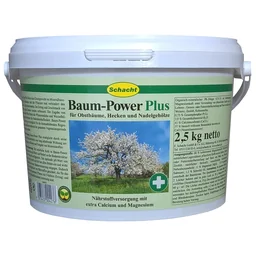
After a heavier pruning, provide it with nutrients. A special tree fertilizer such as our
or provides exactly the nutrients needed for new growth and wound closure.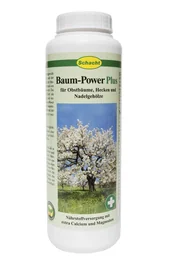
Larger pruning wounds with a diameter of more than 3 cm should be sealed. This prevents fungal spores from penetrating the fresh wood. Use a biological tree wound sealant for this.
Our range includes (Lac Balsam, 150 g) or the larger pack (385 g). Apply the wax thinly to the dry, smooth cut surface. It remains flexible and does not crack.


Additional advice
Keep a close eye on the tree during the following spring and summer after pruning. Strong new growth, known as water sprouts, indicates that the tree is responding to pruning with vigorous vegetative growth. You can pull out or cut off these shoots early the following summer.
Common tree-pruning mistakes and how to avoid them
With this knowledge, you can avoid common pitfalls.
Mistake 1: Pruning too severely. Removing more than 25% of the foliage at once places extreme stress on the tree. The result is masses of water sprouts and increased susceptibility to disease.
Mistake 2: Leaving stubs. These “hat pegs” rot from the inside and provide germs with an entry point into healthy wood. Always cut back to the branch collar or a suitable lateral branch.
Mistake 3: Applying wound sealant incorrectly. Never apply wound sealant to dirty, ragged or damp wounds. First saw the surface smooth, let it dry, then apply a thin layer. A thick layer does more harm than good.
When should I hire a professional for tree pruning?
You need a professional for work at dizzying heights, when using a chainsaw in the crown, or if the tree is near utility lines.
Professional advice is also invaluable in cases of obvious disease, such as severe fungal infestation, or when the tree's stability is in doubt. The investment protects your property and your health.
For all other tasks, our garden equipment category provides the right ladders and safety equipment for working at safe heights.
Long-term strategy: Regulate tree growth from the start
The best battle is the one that never has to be fought. For small gardens, choose slow-growing or columnar varieties from the outset.
Begin training pruning early. During the first few years after planting, you shape the basic crown structure. Regular, light pruning is always better than infrequent, radical pruning.
Combine pruning measures with balanced fertilization. A well-nourished tree grows healthily and does not need to search for nutrients through excessive growth. Our complete range for garden care supports you in this.
With patience, the right tools and good technique, you can bring even an overgrown tree back under control. You preserve a valuable garden feature and ensure many more years of enjoyment and shade—now in the right amount.
Frequently asked questions
- When is the best time to prune a tree?
- The classic period for the main pruning is late winter, before new growth begins. Sap flow is low at this time and wound healing is optimal. For some species, such as maple and birch, it is better to prune in summer to prevent bleeding. Thinning is also possible for most trees in summer after the leaves have emerged.
- How much can I prune from my tree at one time?
- As a rule of thumb, remove no more than a quarter of the live crown during each pruning season. Excessively radical pruning, especially on older trees, puts the tree under extreme stress and leads to the vigorous growth of unwanted water shoots. It is better to spread major corrections over several years.
- Can I simply saw off the top of a tree to control its height?
- Removing the top of a tree, also known as topping, is poor practice. It destroys the natural growth habit, creates large wounds that heal poorly and promotes unstable, weak new growth. To control the height, use reduction pruning instead: redirect an overly long shoot to a lower, weaker lateral branch.
- Do I need to seal large pruning wounds on a tree with a treatment?
- Clean, smooth cuts less than 3 cm in diameter often do not need to be sealed. Treat larger wounds on the trunk or major branches with a special tree wax such as PRODUCT_139180. This protects the freshly exposed wood from fungal spores and promotes callus formation.
- Can pruning slow down a tree's root growth?
- Pruning the crown also reduces root growth because the tree has less foliage and therefore less energy available for root development. This is a long-term effect. Direct root pruning is risky and can compromise the tree's stability. If in doubt, consult a professional.
You may also be interested in
- Pruning trees properly: How the right cuts promote healthy trees
- When to prune branches? A seasonal guide for your trees
- 5 common mistakes when pruning trees with loppers
- How to use pruning shears correctly: Your guide to the perfect tree pruning
- How to prune hedges properly: When is the best time?
- Summer pruning apple trees: How to get June pruning right