
In brief: Ground frost occurs when the soil temperature falls below 0 °C, often on clear, still nights, even when the air temperature is still above freezing. It freezes the water in plant cells, causing cell walls to burst and resulting in severe damage. Protect your plants by covering them overnight with frost cloth, blankets or buckets to retain heat from the soil.
Clear skies and mild daytime temperatures can quickly tempt you to move delicate plants outdoors in spring. But the nights hide an invisible danger: ground frost. It can undo weeks of work overnight. With the right knowledge and a few simple precautions, you can protect your green treasures from cold damage and give them a healthy start to the gardening season.
What exactly is ground frost and how does it form?
Ground frost occurs when the temperature close to the ground (up to 5 cm high) drops below the freezing point of 0 °C. The unusual part is that the official air temperature, measured at a height of two metres, can still be well above freezing, for example 3 or 4 °C. This is why frost can often strike so unexpectedly.
The main cause is the ground radiating heat during the night. On clear, still nights, the soil quickly loses the solar heat stored during the day to the atmosphere. Cold air is denser and therefore heavier than warm air, so it collects close to the ground. Without a warming layer of cloud or wind to mix the air layers, the air near the ground cools rapidly until the dew point is reached and frost forms.
Why is ground frost so dangerous for plants?
Plants consist largely of water. When this water freezes inside the cells and in the spaces between them, it expands. The resulting ice crystals act like tiny knives: they pierce delicate cell walls and destroy the plant's tissue structure from the inside. This process is irreversible.
You will see the effects the next morning. Affected leaves, shoots or flowers look limp and glassy, or may even turn black. The tissue has died. Young, water-rich parts of plants are particularly vulnerable, including new growth in spring, delicate flowers and freshly germinated seedlings. A severe frost can kill a young vegetable plant completely or destroy an entire year's fruit harvest if it damages the blossoms.
Even plants considered hardy can suffer frost damage in spring when new growth is caught by a late cold snap. Young, water-rich shoots have little protection against ice crystals forming in their tissue.
Which plants are especially at risk from ground frost?
Plants vary widely in their frost tolerance. Some species are naturally robust, while others suffer severe damage after the first cold night. You should keep a particularly close eye on the following groups.
Early-flowering plants and fruit trees
Magnolias, forsythias and many fruit trees such as apricots, peaches and early-flowering cherry varieties often bloom while the risk of late frosts is still high. Flowers are the most sensitive part of the plant. If they freeze, pollination fails, and the plant will not produce fruit for the entire year.
Young plants and seedlings
Young tomato, cucumber, zucchini, pepper and squash plants started indoors have not yet developed any resistance to cold. Plant these warm-season vegetables outdoors only after the last expected frosts in mid-May. If they are moved outside too early without protection, a single frosty night can mean the end.

Mediterranean and tender container plants
Plants from southern regions such as oleanders, olive trees, citrus plants and bougainvillea are adapted to mild winters. Even after spending the winter indoors, they are sensitive to cold snaps in spring. Move these container plants outdoors only later in the season, or be ready to protect them at short notice or bring them back inside if frost is forecast.
Additional advice
Water your plants in the late afternoon before a forecast frost. Moist soil stores heat better than dry soil and releases it slowly during the night. This can raise the temperature directly above the ground by a crucial one or two degrees.
How can you effectively protect your garden from unexpected frost?
The good news is that you can reliably prevent frost damage with simple methods. The key is to trap heat rising from the ground and insulate plants from the cold surrounding air. Ideally, take action in the evening before temperatures fall.
Choose the right covering
The simplest and most effective method is to cover vulnerable plants. Several materials are suitable for this. Special frost cloth is ideal because it allows air and light to pass through while still providing excellent insulation. You can leave it on the beds for several days.
Old bed sheets, blankets, burlap sacks or large cardboard boxes also work well. For individual plants or small pots, you can simply place upside-down buckets, terracotta pots or large jars over them. These methods are an essential part of successful plant protection in spring.
Pro tip
Stretch the frost cloth or blanket over a frame made from sticks or hoops so that the material does not touch the plant's leaves directly. Direct contact can create cold bridges and cause damage at the contact points during severe frost. The layer of air in between provides the best insulation.
Choose the right location for container plants
Container plants are mobile and therefore easy to protect. Move the pots against a sheltered wall of your home, preferably on the south or west side. The wall stores heat during the day and radiates it at night, creating a warmer microclimate. Place the pots close together to reduce heat loss further. During severe frost, you can also wrap the group of plants in a protective cover or frost cloth. Wrap the pots themselves in burlap or bubble wrap to protect the sensitive roots.
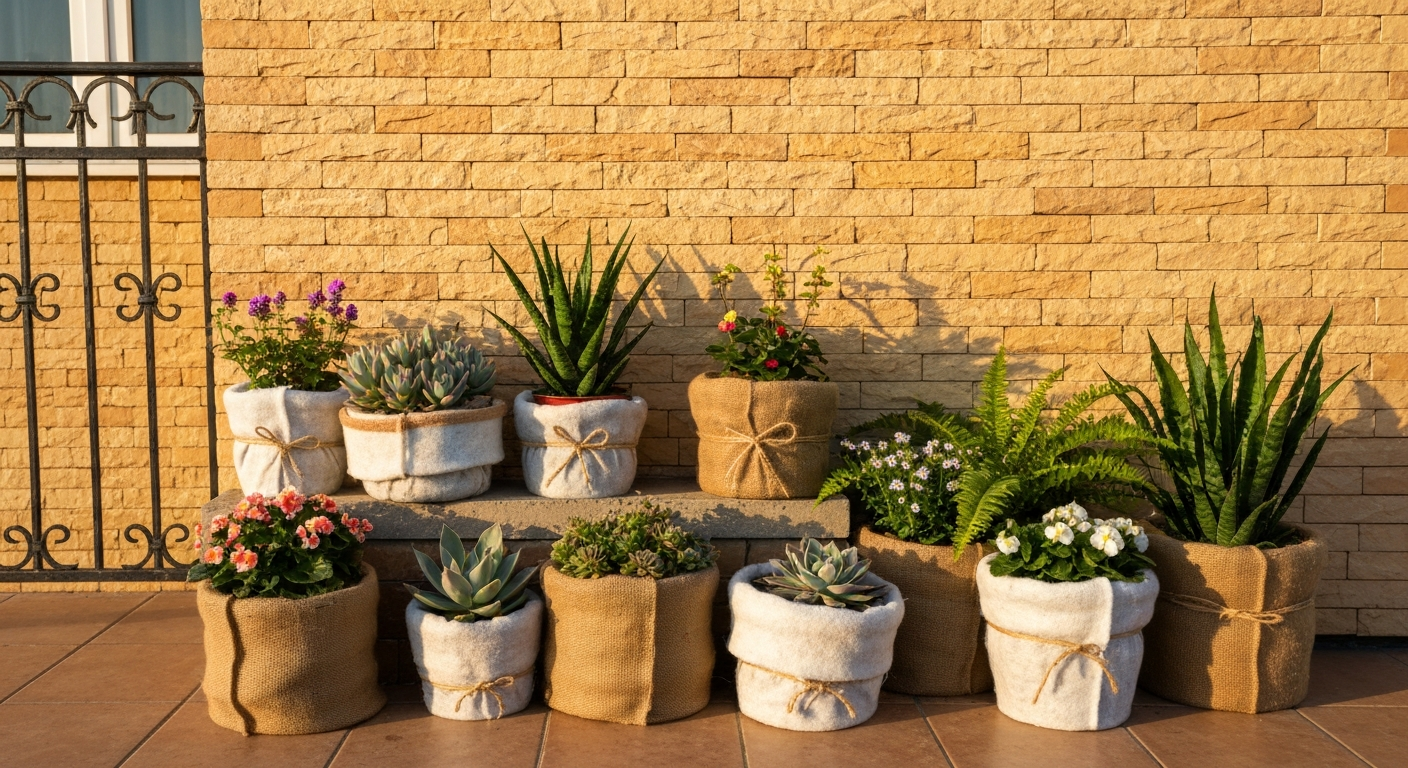
Important note
Remove the coverings in the morning as soon as temperatures rise again. Sunlight can quickly cause heat to build up under the covering, which can also damage the plants. Opaque materials such as buckets or cardboard must be removed early to prevent a lack of light.
What should you do if frost has affected your plants?
Sometimes the frost gets there first. If you discover in the morning that your plants have suffered frost damage, staying calm is a gardener's first duty. Do not act hastily.
Protect the plant from direct morning sunlight. Thawing too quickly can cause additional tissue damage. If necessary, shade the plant with a sheet or piece of cardboard. Do not cut off frozen, mushy shoots immediately. Often, only the outer parts are affected, and the plant will grow back from the healthy parts underneath. Wait a few weeks until you can see the full extent of the damage, and only then remove all dead wood.
The biggest mistake after frost damage is taking premature action. Give the plant time. Often, only the outer leaves are affected, while the plant's core will produce new growth on its own.
Long-term planning to prevent frost damage
A proactive gardener can minimise the risk of frost. Wherever possible, choose plants for your garden that are adapted to your local climate. When buying plants, check their winter hardiness zone. Gradually harden off young plants grown indoors by placing them outdoors for a few hours during the day over one to two weeks before planting them out permanently.
There are also maintenance-free alternatives for particularly exposed or frost-prone areas of the garden. A high-quality artificial plant wall such as the
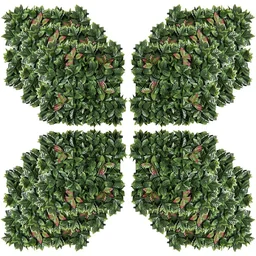
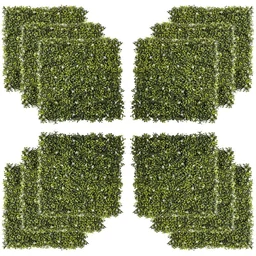
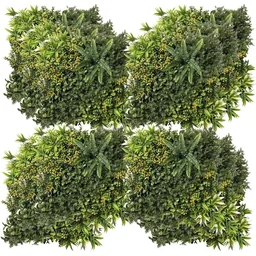
Ultimately, keeping a close eye on the weather is crucial. A quick look at the weather app in the evening could save your plants and your harvest. With the right protective measures, ground frost becomes a manageable challenge rather than a disaster.
Frequently Asked Questions
- What is the difference between air frost and ground frost?
- Air frost occurs when the air temperature at a height of two meters falls below 0 °C. Ground frost, on the other hand, occurs when the temperature directly at ground level or up to 5 centimeters above it reaches freezing point. This can happen even when the air at measuring height is still slightly above freezing, as the ground cools more quickly.
- Which plants are particularly sensitive to frost?
- Particularly vulnerable plants include newly planted young plants such as tomatoes and cucumbers, Mediterranean container plants such as oleander and citrus trees, as well as flowering fruit trees and early-flowering plants. Their delicate flowers and shoots contain a lot of water and are quickly destroyed by ice crystals.
- Can plants also be protected from frost with water?
- Yes, this is known as frost protection irrigation. A fine mist of water settles on the plant. When the water freezes, latent heat is released, keeping the temperature of the plant parts at 0 °C and protecting them from lower temperatures. However, this method requires continuous irrigation.
- Does mulch help protect against ground frost?
- Yes, a thick layer of mulch made from bark mulch, straw or leaves insulates the soil. It slows down cooling and protects the roots and root collar of plants from low temperatures. Mulching is an effective preventive measure, particularly for perennial plants and woody plants.
- When should you expect ground frost?
- Ground frost typically threatens in spring (April, May) and autumn (September, October). Look out for weather forecasts predicting clear, still nights after a sunny day. If the night-time temperature is expected to fall to 3-5 °C, the risk of ground frost is already very high.
You might also be interested in
- Overwintering roses: How to protect your roses from frost
- Primroses: How much frost can they really tolerate?
- Effective winter plant protection: Tips for the garden
- Frost protection test & comparison 2026: The best products reviewed
- The Ice Saints: The key date for your garden in May
- XXL garden thermometer: When temperature really matters