
In brief: Choosing the right water heater depends on your needs. Central systems supply the whole house, while decentralized systems, such as tankless water heaters, serve individual fixtures. Replacing a basic appliance is often a manageable DIY project, but fixed electrical connections require a qualified professional. Regular maintenance, such as descaling and checking the anode, helps extend the unit’s life and keep it running efficiently.
Contents
- Which water heater is right for my home?
- How can I install a tankless water heater myself?
- What should I keep in mind when maintaining a water heater?
- Energy efficiency: How can I lower my water heating costs?
Hot water is essential to modern life. Whether you’re taking a morning shower, washing dishes, or washing your hands, a reliable supply matters. There are many technologies to choose from, and your choice affects comfort and energy costs for years to come. From central storage systems to point-of-use tankless water heaters, each option has its own advantages and disadvantages.
This guide walks you through the world of water heaters. You’ll learn which system fits your needs, how to replace one yourself, and what to keep in mind when it comes to maintenance. With this information, you can make an informed choice and keep your water at the right temperature.
Which water heater is right for my home?
The first and most important decision is how to supply hot water. You’ll need to choose between a central and a decentralized system. Your living situation, daily hot water needs, and existing setup will help determine which option makes the most sense.
Central vs. decentralized hot water systems
A central hot water system is connected directly to your home’s main heating system. A large storage tank, often located in the basement, is heated by the boiler and stores a substantial amount of water. It then supplies all the fixtures in the house, from the kitchen to the bathroom. This option works well for single-family homes with several occupants because it maintains a steady temperature, even when hot water is needed in multiple places at once.
A decentralized hot water system heats water right where it’s used. Common appliances include electric tankless water heaters and small under-sink water heaters. This approach works well for individual fixtures far from the central tank, such as a guest bathroom or kitchen sink. It avoids long pipe runs and the heat loss that comes with them.
Common water heater types at a glance
After making this basic decision, you can choose the specific appliance. Water heating technology has advanced considerably in recent years. Here are the main types:
Storage tank water heater
A traditional storage tank water heater holds a set amount of water (from 30 to over 300 litres) and keeps it at a preset temperature. It can run on gas, oil, electricity, or renewable energy sources such as solar thermal systems. The main advantage is that a large supply of hot water is ready when you need it. Drawbacks include the space it takes up and standby heat loss—the energy used to keep the water hot.
Tankless water heater
This appliance heats water only when you turn on a faucet. Because it doesn’t store water, there’s no standby heat loss. Electric tankless water heaters are compact and easy to install, but they require a high-capacity electrical connection. Gas models often cost less to operate, but they need a gas line and a vent.
Around 14 per cent of the energy used in the home goes toward heating water. Efficient appliances and mindful use can significantly reduce costs.
Combination boiler
Many apartments have a combination boiler. This wall-mounted appliance combines a boiler with on-demand hot water heating. It saves space and supplies both the radiators and hot water for showers and dishwashing. However, its hot water output is limited, which can cause pressure and temperature fluctuations when several fixtures are in use at once.
How can I install a tankless water heater myself?
Replacing an existing plug-in electric tankless water heater is manageable for experienced DIYers. However, for a new installation or a connection to the high-current mains supply, always hire a qualified professional. Safety comes first.
Prepare and put safety first
Take all the necessary safety precautions before you begin. Switch off the circuit breaker for the relevant circuit and secure it so it cannot be switched on again. Turn off the main water supply or the isolation valve under the sink. Open the tap to release the pressure in the pipe and drain any remaining water. Have a bucket ready.
Important note
Work on household electrics, particularly high-current connections (400V), may only be carried out by qualified electricians. Incorrect installation can cause life-threatening electric shocks and fires. Never attempt to connect a permanently wired appliance yourself.
Step-by-step replacement instructions
These instructions cover a like-for-like replacement with a comparable model.
- Remove the old appliance: Disconnect the electrical and water connections from the old appliance. If it has a plug, unplug it first. The water connections are usually flexible hoses secured with union nuts. Keep a cloth handy to catch any remaining water. Lift the old appliance off its wall mounting plate.
- Fit the mounting plate: Check whether the new mounting plate lines up with the existing drill holes. If it doesn’t, mark and drill new holes, then insert suitable wall plugs. Screw the new plate securely to the wall.
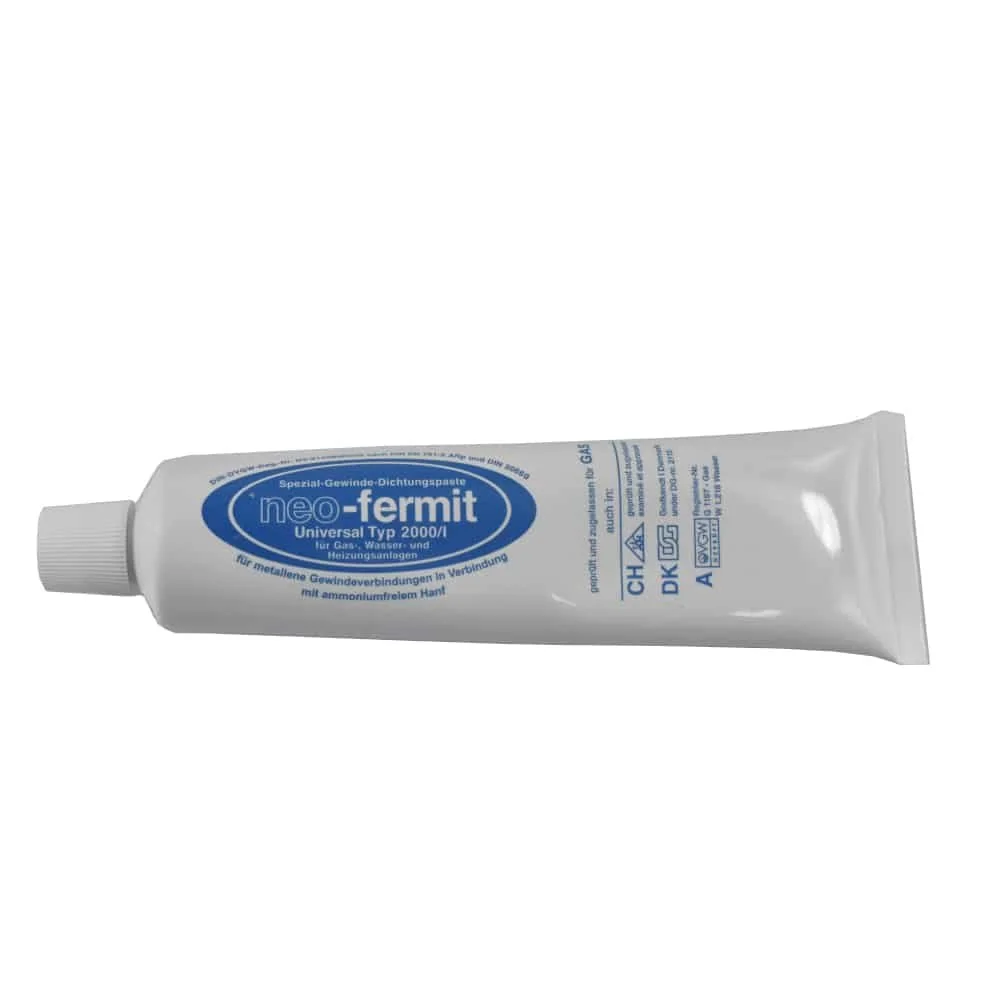
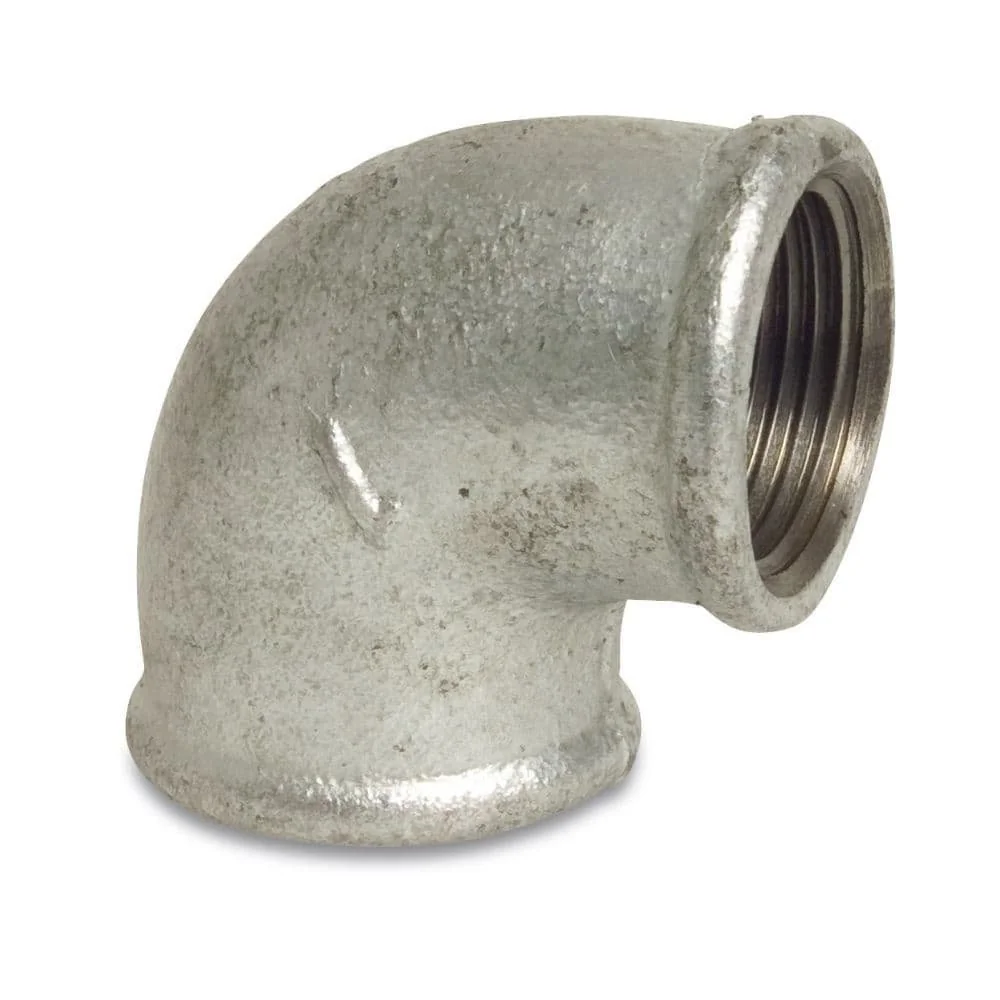
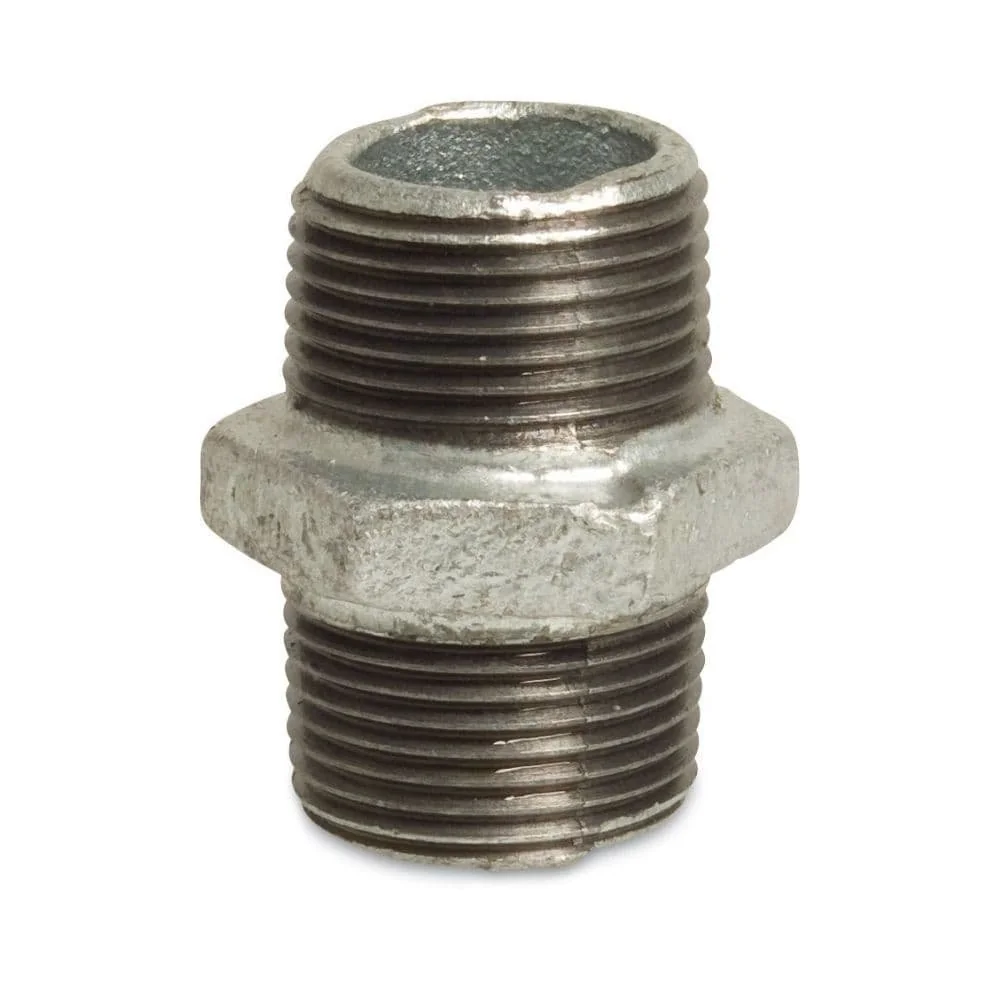
- Connect the water supply: Connect the cold-water inlet (usually marked blue) and the hot-water outlet (marked red) to the new appliance. Make sure the sealing surfaces are clean and the seals are intact. To make a secure connection to rigid pipes, you’ll need suitable threaded fittings. Use traditional and high-quality . You may need a suitable or a if you need to change the pipe layout.
- Fill the appliance and check for leaks: Vent the appliance before switching the power back on. Slowly turn the water supply back on. Open the hot-water tap and let the water run until it flows without bubbles. Carefully check all connections for leaks.
- Connect the power: Plug the appliance into the socket. If it needs a permanent connection, the electrician takes over at this point. Switch the circuit breaker back on and test the new tankless water heater.

Additional advice
Check the water hardness in your area, for example with your local water supplier. Hard water with a high limescale content calls for more frequent maintenance to keep your water heater efficient and extend its service life. Water hardness also affects how often you should descale the appliance.
What should I consider when maintaining a water heater?
Regular maintenance helps your appliance run properly and efficiently for longer. Don’t overlook these simple but effective steps.
Descale regularly
Limescale is the biggest enemy of any water heater. A thick layer on the heating elements acts as insulation, forcing the appliance to use considerably more energy to heat water to the desired temperature. Heavy limescale build-up can even cause the heating element to overheat and fail. Descale your appliance regularly—every two to five years, depending on your water hardness. Use a specialist descaler or citric acid.
Check the sacrificial anode (in storage tanks)
Hot-water storage tanks made from enamelled steel have a sacrificial anode, usually made of magnesium. It protects the steel tank from corrosion by slowly wearing away in its place. Have a professional check the anode every two years and replace it if necessary. Replacing it in time helps prevent costly rust damage and leaks.
Improper installation of gas or electric water heaters poses considerable safety risks. Hiring a qualified professional is not merely a recommendation; for many appliances, it is also a legal requirement.
Check seals and connections
Regularly inspect all visible water connections and seals. Look for damp spots, drips or limescale marks. A small leak can quickly cause major water damage. Reseal any leaking threads right away.
Energy efficiency: How can I lower my water heating costs?
Heating water is one of the biggest energy uses in the home. A few simple steps can significantly reduce your costs without sacrificing comfort.
- Set the temperature: Don’t set your water heater temperature higher than necessary. 60°C is a good compromise for preventing Legionella growth while saving energy. With a tankless water heater, set the temperature on the appliance to the level you actually need.
- Insulate the pipes: Insulate all accessible hot water pipes with pipe insulation from a home improvement store. This significantly reduces heat loss between the water heater and the faucet.
- Use water-saving showerheads: Modern water-saving showerheads mix air into the water. They use up to 50% less water while providing the same shower experience. This saves water as well as the energy needed to heat it.
- Control the circulation pump: If your central system has a circulation pump that keeps hot water readily available in the pipes, control it with a timer. Run the pump only when you need hot water, for example, in the morning and evening.
Pro tip
Set your central water heater to 60° Celsius. This temperature is high enough to reliably prevent the growth of harmful Legionella bacteria, but low enough to reduce energy use and limescale buildup compared with higher temperatures.
Choosing the right water heater, ensuring careful installation, and carrying out regular maintenance are essential for comfort, safety, and low operating costs. Take your time when planning, and always consult a professional for complex tasks. This way, you can enjoy a reliable supply of hot water for many years.
Frequently asked questions
- How often does a water heater need to be descaled?
- That depends on your water hardness. With hard water, you should have the water heater descaled every two to three years. With soft water, an interval of five years is sufficient. A scaled-up appliance uses significantly more energy and has a shorter service life.
- What’s the difference between a hydraulic and an electronic tankless water heater?
- Electronic tankless water heaters regulate the water temperature precisely and are more energy efficient. Hydraulic models cost less but respond more slowly to changes in water pressure, which can cause temperature fluctuations. For consistent comfort, the electronic option is clearly superior.
- Can I install a gas tankless water heater myself?
- No, gas appliances may only be installed by certified professionals. Improper installation can be life-threatening due to gas leaks or carbon monoxide. Always leave this work to a professional to protect your safety and your family’s.
- What size electric tankless water heater do I need?
- For a shower, you need at least 18 to 21 kilowatts (kW). A bathroom sink requires just 3.5 kW. If you want to supply several fixtures at the same time, you need an appliance with an output of 24 to 27 kW. Check your home’s electrical capacity before buying.
- Is it worth pairing a water heater with a solar thermal system?
- Yes, a solar thermal system can cover a large proportion of your annual hot water needs and significantly reduce energy costs. In the summer, you can often switch off the heating completely. Over the years, the investment pays for itself through the savings.
You may also be interested in
- Tankless water heaters: Efficient hot water for your home
- Water heater installation: How it affects performance
- Indirect water heaters: How to choose the right one
- Gas boiler with water heater: How to heat efficiently
- Heat pump water heaters: Rebates and home installation
- Save hot water: Effective tips for your home and heating system