
In brief: You can effectively waterproof a basement floor and concrete slab by first identifying the cause of the damp. If moisture is rising from below, a retrofitted horizontal barrier or a capillary-breaking layer may be suitable. For lateral water pressure, vertical waterproofing with bitumen or plastic membranes is effective. The right method depends on the building's age, the type of moisture and your budget.
Waterproof a Basement Floor and Concrete Slab: Effective Protection
Moisture in the basement damages the building's structure and creates an unhealthy indoor environment. Intact waterproofing of the concrete slab and walls is the foundation of a dry basement. This guide shows you practical ways to renovate your basement.
Expert tip
Before starting any work, check the groundwater level and the drainage around your house. Blocked or missing drainage is often the main cause of water pressure against the structure.
Why does moisture enter the basement?
The physics is clear: water always seeks the path of least resistance. Your basement is under constant pressure. Capillary forces draw moisture from the soil upward through the masonry. During heavy rain or when the groundwater level is high, hydrostatic pressure builds up against the walls and concrete slab.
Older buildings often have no waterproofing or only a simple bitumen membrane. Over the years, this becomes brittle. Modern concrete can allow water to pass through cracks, porous areas or poorly compacted joints. The correct diagnosis is the first step toward a solution.
The most common cause of damp basements is not a single leak, but the failure of the entire waterproofing system. The capillary-breaking layer beneath the concrete slab is often missing.
How can I find the source of the moisture?
Distinguish between three main types: rising moisture, lateral moisture and moisture entering from above. The so-called plastic sheet test can help you identify the source. Thoroughly dry an area of the basement floor.
Securely tape down a large piece of sturdy plastic sheet so that it is airtight. Check it after 48 hours. Condensation on the underside indicates rising damp. Condensation on top of the sheet points to high humidity in the room.
Look for efflorescence on the walls. These white, powdery salt crystals are a clear sign of rising moisture. They form when the water evaporates and leaves behind the salts it carried.
Tools for measuring moisture
Your hand alone is not enough. Get a professional moisture meter. A resistance meter indicates the moisture content of the material. Professionals use the CM method to test moisture deeper in the material.
Record your readings over several weeks. This will show whether the moisture fluctuates seasonally or remains consistently high. This data is invaluable to a contractor or building inspector.
Important note
Take care with black mold growth. It can be hazardous to your health. If the affected area is larger than 0,5 m², consult a mold remediation specialist. Always wear respiratory protection when inspecting it.
What methods are available for waterproofing a concrete slab?
The choice of method depends on the damage and your budget. In principle, you can waterproof from the inside or outside. Exterior waterproofing is always the more durable solution, but it is also the most complex.
1. The capillary-breaking layer (from inside)
This method interrupts moisture transport from below. You remove the old floor topping and the upper part of the floor by milling or chiseling. Apply a layer of coarse gravel or crushed stone to the cleaned concrete slab.
Lay a special drainage mat over it. This directs any seepage water that accumulates to a sump pump. Only then should you install a new vapor barrier and the new floor topping. This solution is suitable for light to moderate rising moisture.
can serve as temporary protection for stored materials during the construction phase.
2. Retrofitting a horizontal damp-proof course
For severe rising damp, this is the most demanding method. Specialist contractors inject special silicates, resins or paraffins into the masonry. These substances spread through the wall and permanently prevent capillary transport.
A mechanical barrier installed by underpinning is the most expensive option, but also the longest-lasting. The masonry is underpinned section by section and separated with stainless steel sheets or plastic membranes. You need a specialist contractor for either method.
The injection method has evolved. Modern, low-viscosity injection gels penetrate even the finest capillaries and provide a reliable barrier without compromising structural integrity.
3. Coatings and waterproofing slurries
For intact but moisture-sensitive concrete slabs, coatings are the first choice. You apply a flexible, crack-bridging waterproof layer. This is often made from modified bitumen or synthetic resin.
Mineral waterproofing slurries are cement-based and work through crystallization. They grow into the pores of the concrete and seal them permanently. These systems are vapor-permeable. Residual moisture can escape while new water is blocked. is a traditional sealing material for threads and joints that can be used when installing drainage pumps or pipes in the basement.

How can I insulate the basement floor afterward?
Waterproofing and thermal insulation go hand in hand. An insulated basement floor prevents cold feet and reduces heating costs. The right order is crucial: waterproof first, then insulate.
Use pressure-resistant insulation materials such as extruded polystyrene rigid foam (XPS) or cellular glass. These materials do not absorb moisture and retain their insulating properties. Lay the boards in a staggered pattern and fill the joints.
Place a suitable separation layer on top, such as PE film. Only then should the new floor topping be poured. Ensure a tight connection to the insulated basement walls. This will prevent thermal bridges.
Additional advice
If you are planning a complete renovation, consider installing underfloor heating in the basement at the same time. It keeps the room dry all year round and makes it suitable as living space throughout the year. Installation in the new floor topping is straightforward.
Practical Steps for Renovating Your Basement
Work systematically. A good plan saves time, stress and money. Start by clearing out the basement completely, making sure you have clear access to every wall and corner.
Clean the affected areas thoroughly. Remove all old paint, plaster residue and dirt. A durable protective covering for the rest of the hallway can come in handy. To clean wooden surfaces after renovation, try or the larger size .
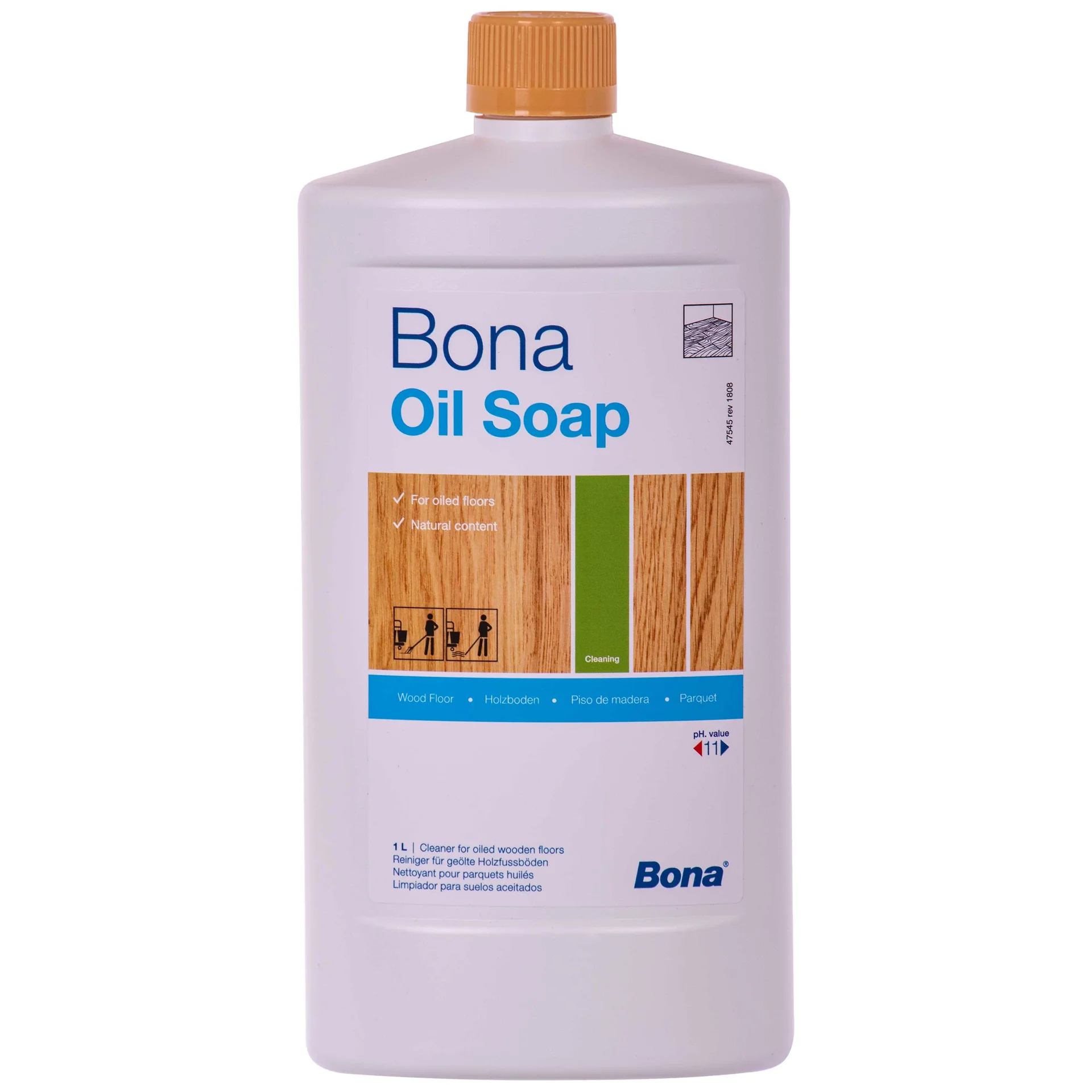
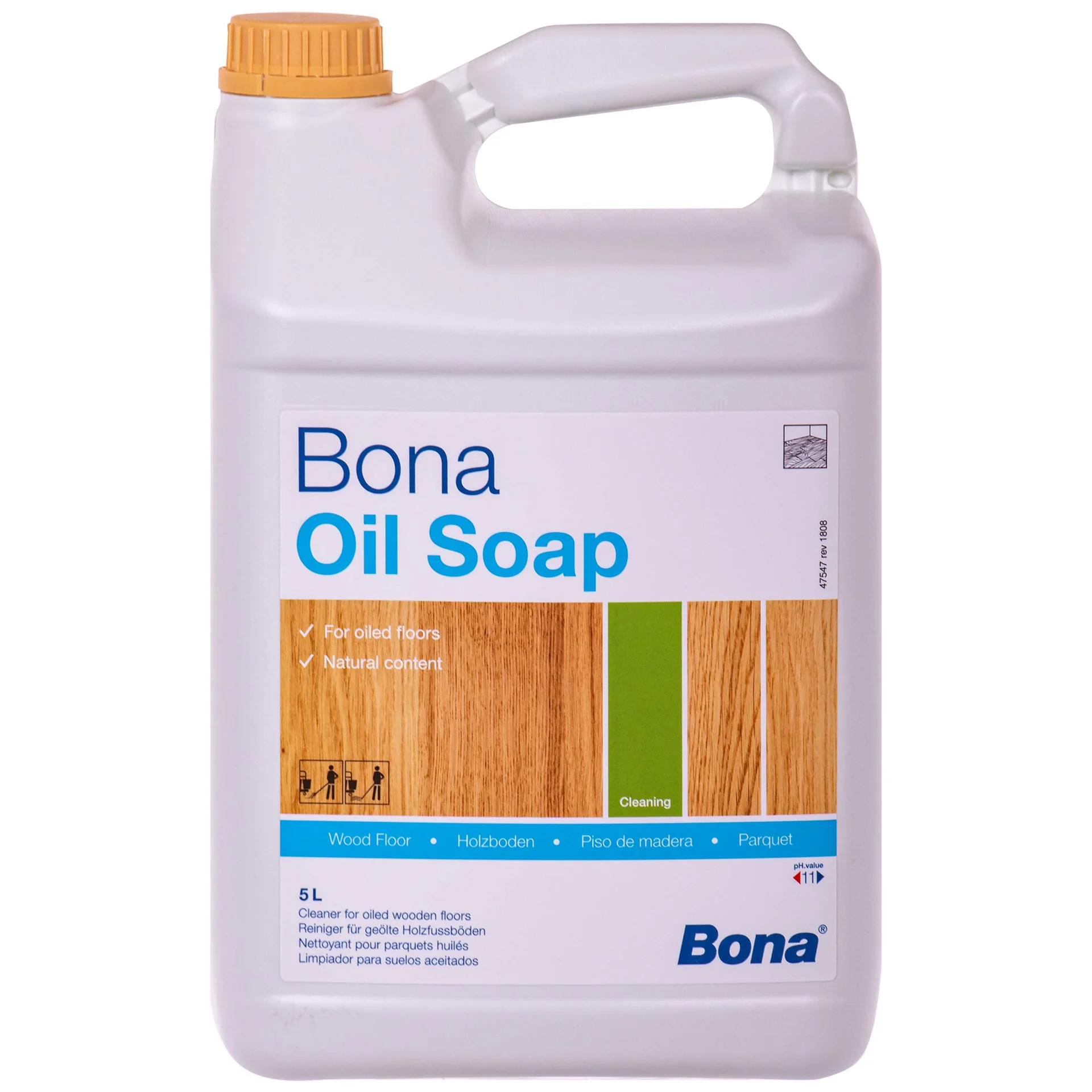
After the initial cleanup, let the basement dry out. Use dehumidifiers and powerful fans. Moisture from construction must dry out of the walls before you apply new materials. This can take several weeks.
Materials for Interior Basement Waterproofing
- Rotary hammer with chisel for removing old concrete screed
- Pressure washer for deep cleaning
- Crack filler for larger hairline cracks
- Concrete primer (bonding agent)
- Flexible two-component waterproofing coating
- Pressure-resistant XPS insulation boards
- Concrete screed and floor leveling compound
- Personal protective equipment, including a respirator and gloves
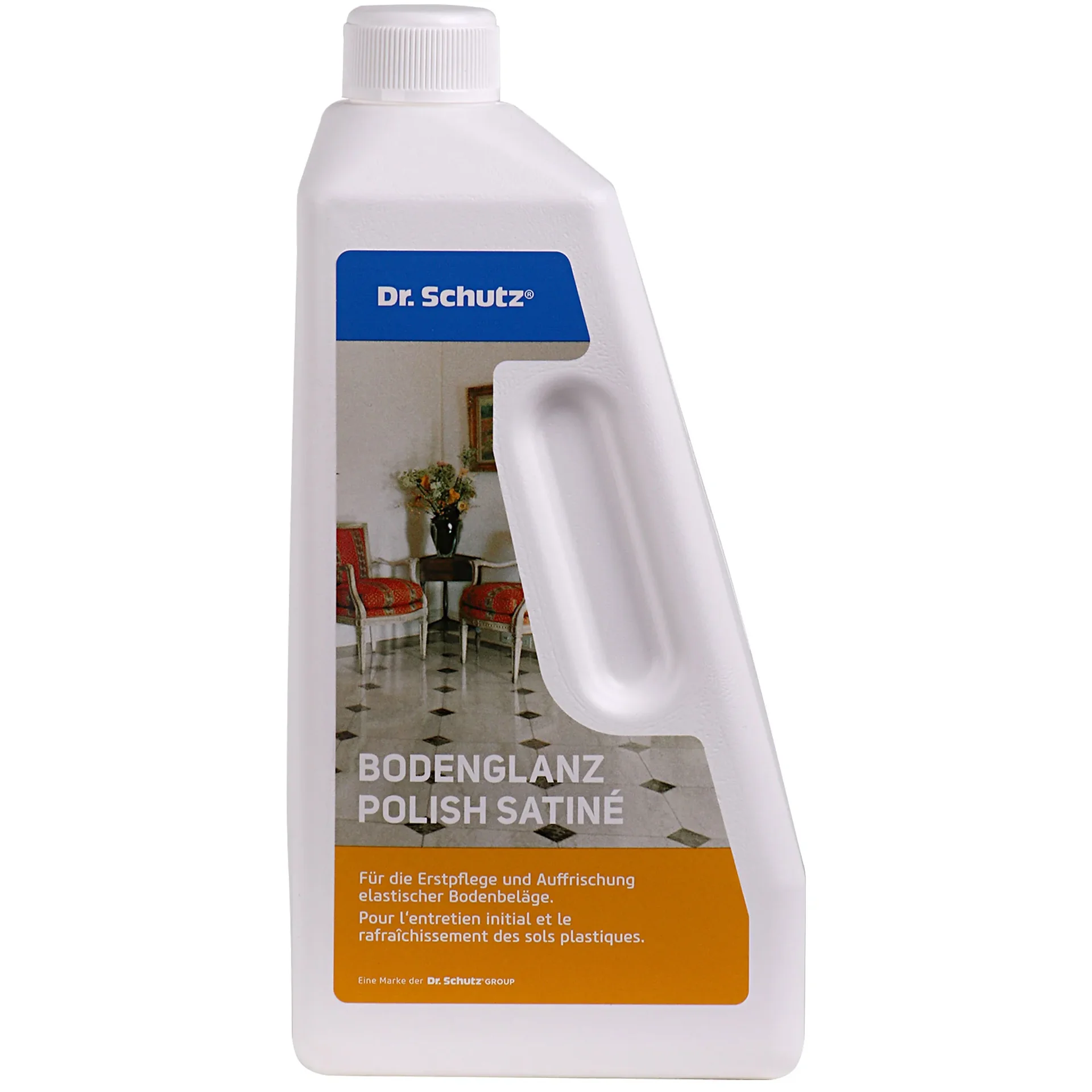
Proper care is essential once the work is complete. is suitable for gently cleaning the new flooring in your renovated basement.
When Should You Hire a Professional for Basement Waterproofing?
It’s time to call in a professional if you find signs of structural damage. Deep cracks in the concrete slab, sunken areas in the foundation or severe hydrostatic pressure require specialist expertise.
A structural engineer should assess the building’s stability. An experienced contractor can coordinate the waterproofing, drainage and any necessary structural repairs. Hiring a professional is an investment in protecting your home’s value.
Always get several detailed quotes. Check references and warranty terms. A reputable contractor will offer at least 5 years' warranty on waterproofing work. shows why long-lasting protection matters—whether you’re protecting garden beds or keeping water out of your basement.
Long-Term Protection: How to Keep Your Basement Dry
Even the best basement waterproofing won’t do much if water isn’t directed away from your home. Check your downspouts and drainage system regularly. Make sure the ground slopes away from the house.
Keep basement ventilation balanced. In summer, avoid leaving windows open when the air is warm and humid. Instead, air out the basement briefly during cooler morning or evening hours. A hygrometer gives you a reliable reading of the humidity level.
A dry basement is more than a place to store things. It’s a stable foundation for your home. With the right waterproofing for your concrete slab and walls, you can protect your property from a significant loss in value and create a healthier living space. Start by identifying the problem, work systematically and consult an expert if you’re unsure.
Frequently asked questions
- How can I tell if moisture in my basement is coming through the concrete slab?
- Rising damp appears as evenly damp walls that extend upward from the floor, often with salt deposits (white patches). Place a sheet of plastic on the dry floor. If the underside is fogged up after 24-48 hours, moisture is coming up from below. Moisture entering through the sides causes damp patches in the middle of the wall or at wall-floor joints.
- Can I waterproof my basement floor myself?
- You can apply surface coatings to sound concrete as a DIY project. If there is hydrostatic pressure, cracks or leaking joints, you need a specialist contractor. Retrofitting a horizontal damp-proof barrier is almost always a job for professionals. Improper waterproofing can make the damage worse. Always consult a building surveyor about structural problems.
- How much does it cost to retrofit insulation under a concrete slab?
- Costs vary considerably. A capillary-breaking layer (gravel, drainage) costs 50-100 €/m². Retrofitting a horizontal damp-proof barrier (injection, underpinning) costs 200-500 €/m². The most extensive renovation, involving new walls and a concrete slab, starts at 800 €/m². A detailed estimate from a specialist is essential.
- Which materials are suitable for waterproofing a basement from the inside?
- For interior waterproofing, use mineral waterproofing slurry, reactive resins or flexible bitumen coatings. Elastic polyurethane or acrylate gels are suitable for cracks. The material should remain vapor-permeable so residual moisture can escape. Avoid vapor-tight membranes, which can cause condensation behind the layer.
- How long does professional basement waterproofing last?
- When properly installed, multi-layer exterior waterproofing lasts 30-40 years. Interior waterproofing lasts 15-25 years, depending on moisture levels. Regularly checking the drainage system and backwater valves extends its lifespan. Plan an inspection every 10 years.
You may also be interested in
- Drying out a damp basement: How to waterproof the exterior wall properly
- Waterproofing a basement from the inside: How to keep your basement dry
- Basement renovation: Tips for keeping it dry and protecting your home's value
- Sealing leaks: Solutions for roofs, balconies and more
- Flood protection for basements and garages: Effective measures
- Sealing tape and joint sealant: How to protect your home