
In brief: An allotment garden is a fenced plot of land that you lease from an allotment association. These gardens are located in a shared site known as an allotment colony. You primarily use the garden to grow fruit, vegetables and ornamental plants for your own needs. A small garden shed is usually an integral part of the plot, but it may not be used as a permanent residence.
Table of contents
- Allotment garden vs. garden plot: Is there a difference?
- What exactly does the German Federal Allotment Garden Act regulate?
- How do you lease a plot from an allotment association?
- How do you design your garden within the rules?
- What equipment and irrigation does an allotment garden need?
- Why is the community an advantage of belonging to an association?
Allotment garden vs. garden plot: Is there a difference?
Many people use the terms allotment garden and garden plot interchangeably. Historically, the name Schrebergarten originated from the Schreber movement in the 19th century. It promoted play and garden areas for children in cities.
Today, Kleingarten is the legally correct general term. The German Federal Allotment Garden Act defines it precisely. In everyday language, Schrebergarten simply refers to a typical allotment garden in a colony.
The key features remain the same: a plot in a shared site that you lease. The primary use is growing plants and produce. The small garden shed is used for storage and occasional relaxation.
An allotment garden is a well-ordered piece of nature in the city. It provides relaxation, strengthens the sense of community and supplies fresh food. This makes it an essential green space.
The three pillars of allotment garden use
The law requires mixed use. At least one third of the plot area must be used to grow horticultural produce. This includes fruit, vegetables and herbs.
Another third can be occupied by ornamental plants, lawns or ornamental shrubs. The rest is reserved for the garden shed, paths and seating areas. This division preserves the allotment garden character.
It prevents the land from being used solely as a private ornamental garden or even as building land. The harvest is primarily intended for the tenant family’s own needs.
What exactly does the German Federal Allotment Garden Act regulate?
The German Federal Allotment Garden Act (BKleingG) provides the legal basis. It protects allotment gardens as green spaces and regulates the lease. This gives tenants a certain degree of security.
It defines the permitted plot size. As a rule, a plot may not exceed 400 square meters. The upper limit for the floor area of the garden shed, known as a Laube, is 24 square meters.
Important note
The law expressly prohibits permanent residential use. Your garden shed is not a second home. You may not furnish it with permanent residential furniture such as a bed. Breaches can lead to termination of the lease.
The law also defines a reasonable lease. It is based on the market value of the land for allotment gardening. This keeps costs socially affordable for tenants.
Each local allotment association also has its own statutes and garden regulations. These govern details such as communal work duties, hedge heights and the choice of plants. You should read both documents before signing a lease.
How do you lease a plot from an allotment association?
Your first step is to contact your local allotment association. Several associations often join together to form a city-wide federation. Their websites provide contact details and sometimes list available plots.
You contact the association’s board. A personal meeting gives both sides the opportunity to get to know each other. The association assesses how serious you are about gardening.
Many associations keep waiting lists. In popular urban areas, the waiting time can be several years. Show your commitment and attend association events. This can improve your chances.
Demand for plots is high, particularly in urban areas. People who are willing to contribute to the community and take garden maintenance seriously often find a plot more quickly. It is about more than just a piece of land.
Once your application is accepted, you sign a lease with the association. You agree to pay the annual lease fee and follow the garden regulations. A one-off membership fee is usually payable.
If you take over an existing plot, you often have to pay the previous tenant compensation for plants and fixtures. This amount is negotiable and is not regulated by law.
What does the lease agreement contain?
The agreement states the exact plot number and area. It lists your rights and duties as a tenant. These include maintaining the plot and the shared facilities.
It sets out the notice periods. As a rule, you can terminate the agreement with three months’ notice at the end of the lease year. The association can also terminate it in the event of serious breaches of your obligations.
Have the agreement explained to you carefully before signing. The sections on charges, communal duties and design requirements are particularly important.
How do you design your garden within the rules?
Designing your allotment garden is creative, but not completely unrestricted. The association's rules set the framework. Your garden must always retain the character of an allotment garden.
Plan the plot according to the one-third rule. Reserve enough space for
and . A raised bed or small greenhouse is often permitted, but may require approval.

Expert tip
In your first year, start with hardy vegetables such as radishes, courgettes and French beans. Lay out the paths practically so that all bed areas are easy to reach. Use suitable garden tools for efficient work. Ask experienced neighbours which varieties perform best in the local soil.
When planting, use companion planting. It promotes plant health and increases yields. For example, combine carrots with onions or tomatoes with basil.
There are strict requirements for the shed's size, materials and often its colour. Always check with the committee before building or converting one. You will usually need to apply for planning permission.
Typical design features in an allotment garden
A compost heap is compulsory almost everywhere. It closes the nutrient cycle and provides valuable humus. Place it in a shady spot that is easy to reach.
A small greenhouse made of plastic sheeting or glass extends the growing season. A sandy play area for children or a comfortable seating area under an apple tree are also popular features.
Remember to protect your garden for winter. Garden fleece protects sensitive plants. A cover for garden furniture keeps your seating area in the shed dry.
What equipment and watering does an allotment garden need?
The basic equipment starts with sturdy hand tools. A spade, digging fork, hoe, rake and wheelbarrow are essential. Store them in a dry place in the garden shed.
A water connection in the allotment site is standard for watering. You access it via a shared distribution point. A suitable fitting is required for this.
The
allows you to tap into a water pipe for your plot. It is easy to install and provides a watertight seal. Combine it with a long garden hose and a practical sprinkler such as the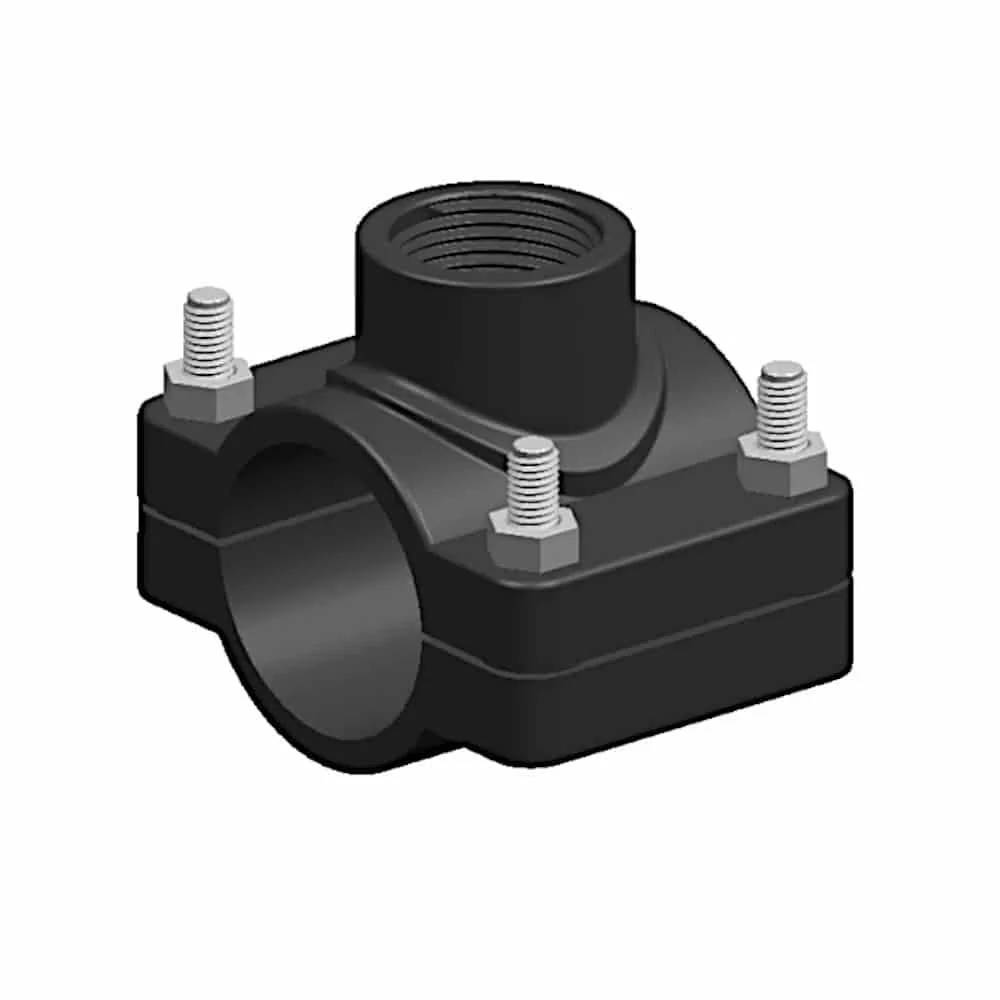
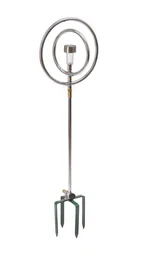
Additional advice
Install a water butt. It saves mains water and provides soft rainwater for watering your plants. Make sure it stands on a firm, level base and has a childproof lid. Also remember to get sturdy garden waste bags for prunings and weeds.
Organise your harvest with baskets and storage crates. A small tool cupboard in the shed helps keep everything tidy. For soil care, lawn lime & garden lime and organic fertiliser are important helpers.
Plan ahead for the darker months, too. A good garden lantern or solar lights will illuminate the path. A small stove in the shed provides warmth on cool spring or autumn days.
Why is community in the association an advantage?
An allotment association is more than a landlord. It is a community of like-minded people. You share the pleasure of gardening and concerns about the weather.
The association often organises communal activities. These include spring-cleaning the paths, raking leaves in autumn or trimming the hedges along the outer boundaries. Every tenant contributes.
You benefit from the knowledge of long-standing members. They know the characteristics of the soil and can offer tips on pest control. Seeds and seedlings are often exchanged among members.
The association also represents your interests externally, for example with the local council. It manages shared infrastructure such as water pipes, access roads and community buildings.
Take an active role in association life
Attend members' meetings. Important decisions are made there. You could even get involved on the committee or in a working group.
Association events such as the summer fete or harvest festival strengthen the community spirit. They are a great opportunity to get to know your neighbours and their gardens better.
This community makes an allotment garden a special place. It offers not only fresh vegetables, but also social contact and a real sense of neighbourhood. Browse our Garden & Outdoor range to make your dream allotment a reality.
Frequently asked questions
- How much does it cost to rent an allotment?
- The rent for an allotment plot varies considerably depending on the region, the size of the association and the facilities available. It is often between €150 and €500 per year. There is usually also a one-off membership fee for the association. The costs generally include use of the communal areas, water and paths. Contact local allotment associations directly for exact prices.
- Am I allowed to stay overnight in my allotment garden?
- No, staying overnight permanently or using the allotment as a residence is prohibited by law. The Federal Allotment Gardens Act allows the garden shed to be used only while gardening and for daytime recreation. A bedroom or fully equipped kitchen is not permitted. The association and the authorities are responsible for monitoring compliance.
- How can I find an available allotment near me?
- Search online for "allotment association [your town]" or contact your local allotment federation. Associations often have waiting lists. Visit allotment sites in person; notices are sometimes displayed at the gates. Getting involved personally and being willing to help with association work can significantly improve your chances of getting a plot.
- What responsibilities do I have as a member of an allotment association?
- As a tenant, you agree to use the plot for gardening and maintain it properly. You must comply with the association's constitution and garden rules. This often includes communal duties such as maintaining paths or attending association meetings. Neglect can lead to warnings and, in extreme cases, termination of the tenancy agreement.
- Can I design my allotment garden however I like?
- Yes, within certain limits. The design must reflect the garden's horticultural purpose. The association's constitution often specifies how much space may be used for ornamental and edible plants, lawns or the garden shed. Tall hedges, certain types of trees and unauthorised structures are often prohibited. Obtain approval from the association committee before undertaking larger projects.
You might also be interested in
- Growing cannabis on an allotment: Your rights and responsibilities
- How to find and rent an allotment
- Terraced house garden design: Ideas for small gardens
- Designing a narrow garden strip: Ideas for small spaces
- Growing vegetables in your own garden: The ultimate beginner's guide
- Low-maintenance vegetable garden: Minimal effort, abundant harvests