
In brief: The best wrench depends on what you plan to use it for. For standard household tasks, versatile combination wrench sets with common sizes are ideal. Professional users need specialized designs with greater load capacity. Pay attention to material quality, wrench sizes and ergonomics. Our test highlights the differences between combination wrenches, socket wrenches and flexible models.
Wrenches are part of the basic equipment in every toolbox. Whether you are repairing a bicycle, assembling furniture or carrying out professional trade work, you will not get far without the right wrench. But the selection is extensive: open-end wrenches, box-end wrenches, socket wrenches or combination designs. Our 2026 test and comparison shows which wrenches are suitable for which tasks and what you should look for when buying.
What types of wrenches are available?
Before choosing a particular wrench, you should be familiar with the different designs. Each type has specific advantages and disadvantages.
Open-end wrenches for quick access
You can recognize open-end wrenches by their two open ends. Each end has a different wrench size. The advantage is that they can be fitted and removed quickly, especially when screws are easily accessible. However, there is a greater risk of slipping when applying high torque.
Box-end wrenches for maximum force
Box-end wrenches fully surround the hexagonal head. This design allows you to apply higher torque without damaging the edges of the fastener. They are ideal for seized or rusted connections. The disadvantage is that more space is needed to position them.
Combination wrenches as all-rounders
Combination wrenches offer the best of both worlds: one end is an open-end wrench and the other is a box-end wrench. These versatile tools save space in your toolbox. They are particularly suitable for use on the go or as basic equipment.
How do I find the right size?
The wrench size determines which fasteners you can loosen. Metric sizes in millimeters are standard in Europe.
Common sizes for household use
For most DIY projects, sizes from 6-19 mm cover over 90% of all tasks. The most frequently needed sizes are 8, 10, 13, 17 and 19 mm. A set with these wrench sizes is a sensible basic kit.
Professional applications and specialty sizes
Bicycle and motorcycle repairs often require smaller sizes starting at 4 mm. Car repairs and machine building may require larger sizes up to 32 mm. Before buying, check which sizes you actually need.
Tip: For unknown fasteners, measure the distance between opposite hexagonal faces. This value corresponds to the required wrench size.
What should I look for in material quality?
The material determines the durability and safety of your wrench.
Chrome vanadium steel as the standard
High-quality wrenches are made from chrome-vanadium alloy steel (CrV). This material offers optimum hardness while also providing good toughness. It does not break as easily as inexpensive carbon steel and is more resistant to corrosion.
Surface treatment for a longer service life
Nickel-plated or chrome-plated surfaces protect against rust. Matte chrome finishes reduce glare in bright light. Look for even coatings without air pockets.
Warning: Cheap wrenches made from basic steel can splinter when overloaded. The sharp edges pose a significant risk of injury. Invest in high-quality tools.
Which ergonomic features are important?
Comfort during work helps prevent fatigue and improves safety.
Grip design and length
Long enough handles reduce the force required. Knurled or profiled grips improve traction, even when wearing gloves. Look for rounded edges on the handles.
Angled designs for tight spaces
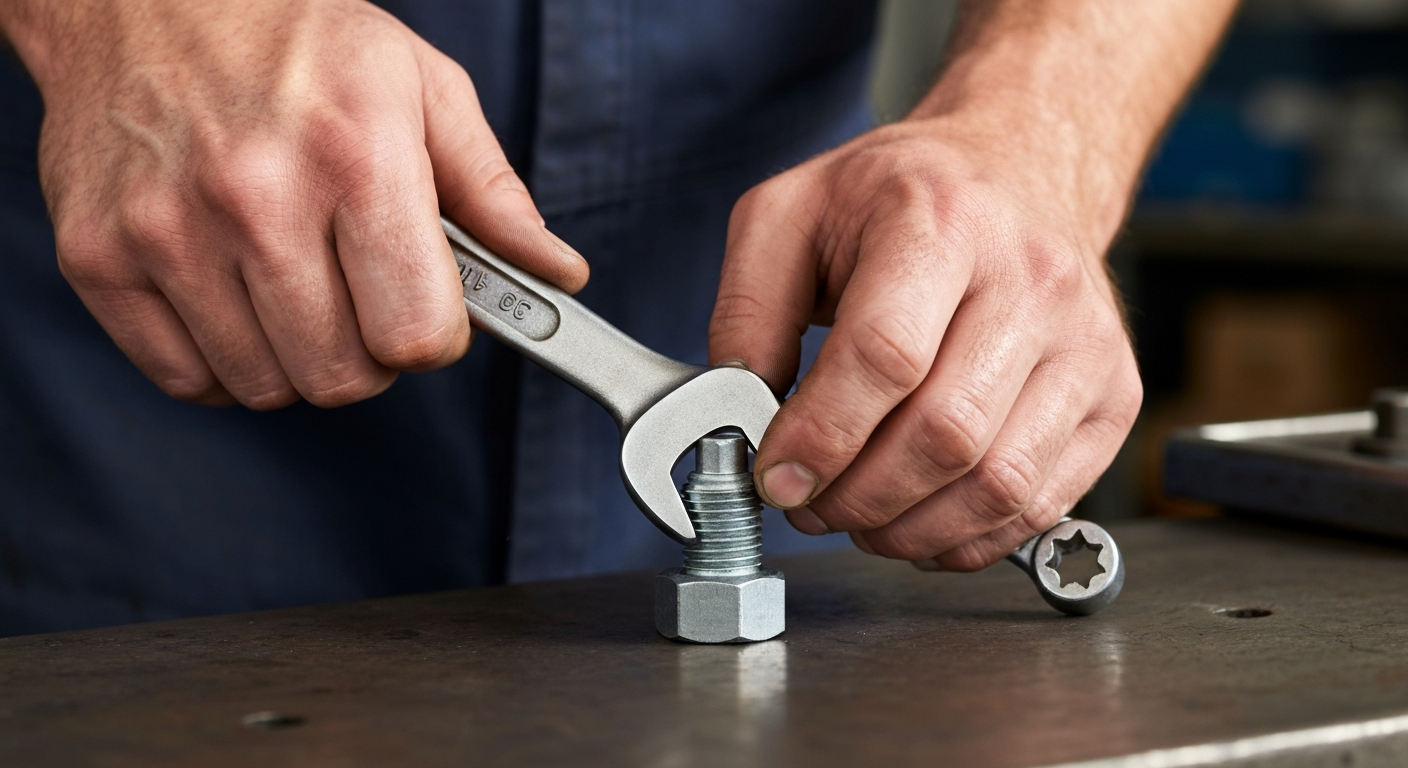
Wrenches with an angled head (15° or 75°) make it easier to work in confined spaces. They prevent contact with other components and reduce the risk of injuring your knuckles.
How do I care for my wrenches properly?
Proper care significantly extends the service life of your tools.
Clean after every use
Remove dirt and grease residue after working. Use a mild cleaning agent and soft cloths. Avoid aggressive chemicals that can damage the surface coating.
Protect against corrosion during storage
Store wrenches in a dry place. If they will not be used for an extended period, apply a thin film of oil to the metal parts. Special tool bags or cases protect against moisture and damage.
Note: Do not use wrenches as a substitute for a hammer or as a levering tool. This misuse can cause material fatigue and unpredictable breakage.
What makes a good wrench set?
A well-designed set saves time and money compared with buying individual tools.
Useful size increments
A good set does not contain redundant sizes but covers a useful range without gaps. Common increments are 1-mm or 2-mm steps, depending on the size range.
Practical storage
Folding tool rolls or sturdy plastic cases with compartments keep everything organized. Color-coded or numbered compartments make it easier to select the right size.
Our highest-rated wrenches compared directly:
| Model | Customer rating | Availability |
|---|---|---|
| 8-piece combination wrench set 🏆 Test winner | ★ 5,0 (1) | In stock |
| "XXL Master-Wrench-Set" | – | Currently unavailable |
| 1/2" 12-piece socket wrench set | – | Currently unavailable |
| 12-piece open-end and box-end wrench set 6-22 mm | – | Currently unavailable |
| 12-piece flexible pin wrench set 8 - 19 mm | – | Currently unavailable |
Our Test Recommendations for Different Applications
Based on our tests, we recommend three particularly versatile wrenches.
For Tradespeople and Professional Users
The
combines an open-end and ring spanner in one ideal set for demanding jobs. The 8-piece set covers the most important sizes and impresses with its robust construction.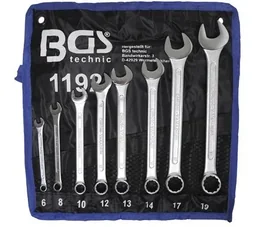
For Tight Spaces and Special Requirements
The
with flexible pin wrenches makes it possible to work in extremely confined spaces. The 12-piece set covering 8-19 mm is particularly suitable for mechanical engineering and vehicle repairs.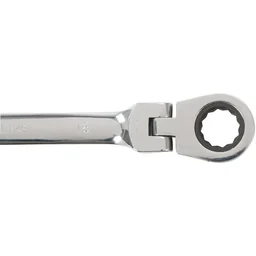
For Large Sizes and High Torque
The
as an offset ring spanner set up to 32 mm is the solution for heavy-duty jobs. The offset design protects your wrists even when applying considerable force.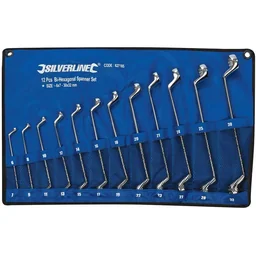
Where Is the Best Place to Buy Wrenches?
The right place to buy depends on your priorities.
Local Specialist Retailers
At a tool specialist, you can hold wrenches in your hand and check their build quality. Expert staff can provide competent advice tailored to your intended use.
Online Stores with a Wide Selection
Online, you will find an enormous selection of hand tools. Take your time to read customer reviews and compare technical specifications. Make sure the delivery terms are transparent.
Specialist Suppliers
For professional wrench tools, specialist suppliers are worth considering. They often stock brands that are not available at hardware stores and offer expert support.
Conclusion: The Right Wrench for Your Needs
Choosing the right wrench largely depends on how you plan to use it. For occasional DIY jobs, a basic combination wrench set is sufficient. Professional users need specialized tools with greater durability and ergonomic features.
Invest in high-quality tools made from chrome vanadium steel. The higher initial cost pays off through a longer service life and improved workplace safety. Look for a practical range of sizes and convenient storage options.
With the models featured in our test, you are sure to find the right wrench for your needs. Whether for standard jobs, for tight spaces or for large sizes, each model performs well in its intended area of use.
Frequently Asked Questions
- What is the difference between open-end and ring spanners?
- Open-end spanners have two open ends in different sizes and are well suited to hard-to-reach fasteners. Ring spanners fully surround the hexagon and provide better torque transfer with less risk of slipping. Combination spanners combine both types in one tool.
- What materials are best for wrenches?
- High-quality wrenches are made from chrome vanadium steel (CrV). This material offers optimal hardness, tensile strength and corrosion resistance. Cheap alternatives made from plain carbon steel are more likely to break and rust faster.
- How many pieces should a good wrench set contain?
- For household use and occasional jobs, 8-12 pieces covering sizes from 6-22 mm are sufficient. Professional users need 15-25 pieces up to 32 mm. More important than the number of pieces is covering the wrench sizes you actually need.
- Can I also use wrenches on nuts?
- Yes, wrenches fit both bolt heads and nuts, provided the hexagon size is identical. For galvanized or delicate surfaces, use tools with smooth edges to avoid damage.
- What does 'offset' mean when referring to wrenches?
- Offset wrenches have an angled head, usually 15° or 75°. This angle provides better access in confined spaces and reduces the risk of injuring your knuckles during turning movements.