
In brief: If a radiator gurgles or stays cold at the top, bleed it with the heating switched off. Close the thermostat, briefly open the bleed valve until air escapes, and close it as soon as water comes out. Then check the system pressure. This improves heat distribution and helps the heating system run more efficiently.
How to bleed a radiator: If a radiator gurgles, stays cold at the top or gives off very little heat despite the thermostat being turned up, there is often air in the heating system. Switch off the heating, wait briefly and carefully open the bleed valve. As soon as water comes out, close the valve again and check the system pressure.
Bleeding a radiator usually takes only a few minutes. You need a radiator bleed key, a cloth and a small container. Following the correct order helps prevent water damage and lets you identify whether another problem is present.
Why is the radiator cold or only partially warm?
Air collects in the upper part of a radiator. It interrupts the water circulation and prevents heat from spreading evenly across the entire surface. Typical signs include gurgling or hissing noises, a radiator that is cold in the upper third and rooms that do not warm up properly despite a high thermostat setting.
However, the search query radiator not heating up is not always related to air. A stuck thermostat valve, a closed return valve, too little water in the heating system or a failed circulation pump can also cause cold radiators.
What signs indicate air in the radiator?
- Gurgling and splashing sounds: Air bubbles are moving through the radiator or pipes.
- Cold at the top, warm at the bottom: The radiator is not filling completely with heating water.
- Uneven heat: One side remains noticeably colder than the other.
- Delayed heating: The radiator responds slowly even though the thermostat is open.
- Falling system pressure: The system's water pressure can drop after frequent bleeding.
What other causes are possible?
If the entire radiator stays cold, first check whether the thermostat is actually open. Carefully turn the control from the frost protection setting to a medium setting. If there is a small metal pin on the valve, it must not be stuck. Remove the thermostat head only if you know the design and can carry out the work safely.
If just one radiator is not heating up, the return valve may be restricted. If several radiators are affected, this is more likely to indicate low system pressure, a faulty pump, an incorrect setting or a problem with the heat source. Bleeding alone will not be enough in these cases.
Pro tip
Take a photo of the pressure shown on the pressure gauge before bleeding the radiator and make a note of which radiator has a problem. This lets you immediately see whether the pressure has dropped and whether heat distribution has improved.
What preparation do you need to bleed a radiator?
You need only a few tools for a standard radiator. Have a radiator bleed key, an absorbent cloth and a shallow container ready. A small screwdriver fits only certain valves and is not a substitute for the correct square key.
You can find suitable hand tools in the Westfalia range. The Automatic radiator air vent 1/2 is an alternative for suitable connections and can be used as
. Before installing it, check that the thread size and design match your radiator.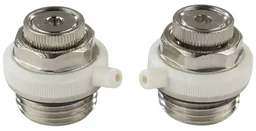
How do you prepare the heating system?
- Turn down the heating: Switch off the heat source and, if accessible, the circulation pump. In a rental property, operate only the controls that you have been explicitly authorized to use.
- Wait: Wait about 30 minutes. The water will settle, allowing air to collect in the upper part of the radiators.
- Close the thermostats: Turn the thermostat controls to 0 or the frost protection setting. This minimizes the amount of water flowing in while you bleed the radiators.
- Set the order: In a multi-story house, start on the top floor and work your way down. Then bleed all radiators, not just the one showing obvious problems.
Cover delicate flooring with a cloth. Heating water may be dark in color and can leave stains. Hold the container directly under the valve before opening it.
“Lowering the room temperature by just one degree saves around six percent of heating energy.”
How do you bleed a radiator step by step?
The bleed valve is usually located at the top on the opposite side from the thermostat. It has a small square opening and often a side outlet. Open the valve slowly. A quarter turn is normally sufficient.
- Close the thermostat: Turn the thermostat control to 0. For electronic thermostats, select the lowest setting or activate installation or frost protection mode.
- Find the valve: Look for the bleed valve at the top of the radiator. Do not confuse it with the thermostat valve or the lockshield valve at the bottom.
- Position a container: Place a shallow container under the outlet and hold a cloth underneath. This will catch any splashes immediately.
- Fit the key: Place the bleed key straight onto the valve. Turn it slowly anticlockwise. Do not use force if the valve is stiff.
- Let the air escape: You will initially hear a hissing sound. Let the air escape until you hear a steady sound or see a thin stream of water.
- Close the valve: Turn it clockwise as soon as water escapes. Tighten the valve by hand only. Overtightening can damage the seal or thread.
- Wipe the valve: Remove any water droplets and check the area again after a few minutes. If it remains dry, the radiator is sealed.
- Switch the heating back on: Open the thermostat and restart the heating or circulation pump. After a short warm-up period, the radiator should heat up evenly.
Important note
Heating water can be hot and under pressure. Open the valve slowly, wear gloves if you have sensitive skin and never unscrew it completely. If it cannot be closed or a large amount of water escapes, stop work and call a qualified heating engineer.
Bleed all radiators one after another. Then wait a few minutes and carefully check whether the temperature is distributed evenly from top to bottom. A small temperature difference between the flow and return sides is normal.
What should you do if the radiator does not get warm after bleeding?
If the radiator remains cold despite bleeding, work through the possible causes systematically. Start with the easily accessible settings and do not interfere with the burner, electrical components or the sealed heating system.
How do you check the thermostat and lockshield valve?
- Thermostat valve: Turn the control several times between 0 and the highest setting. If the radiator remains cold, the valve pin may be stuck. A qualified heating engineer can safely free or replace the valve.
- Lockshield valve: An accidentally closed return valve restricts the water flow. Only change the setting if you have documented its original position.
- Keep the radiator clear: Furniture, covers and long curtains block the warm air. Leave space in front of and above the radiator.
- System pressure: Check the pressure gauge on the heat generator. The permitted range depends on the building height and system. Follow the manufacturer's instructions rather than a general guideline.
- Several cold radiators: If several rooms are affected, the cause is more likely to be the pump, controls, pressure or heat generator. Contact a qualified heating engineer.
- Cold at the bottom and warm at the top: Deposits or insufficient flow can reduce heat transfer. Flushing or hydraulic balancing should be carried out by a qualified professional.
When do you need to top up the water?
When bleeding a radiator, a small amount of heating water escapes along with the air. If the pressure visibly drops or the needle is outside the marked range, the system may need more water. Only top it up according to the manufacturer's instructions and only do this yourself if you know how to operate the system safely.
In rented properties, report low pressure to the property management. With older systems, unusual water loss or recurring air in the system, have the cause checked. Frequent bleeding may indicate a leaking connection, a faulty expansion vessel or an error during filling.
What work is required for the pipework?
When extending or repairing a heating circuit, a qualified professional must calculate the pipe dimensions, connection type and insulation. The flexible Aluminium composite pipe 32 mm for heating systems is listed in the range as a
and should be included when planning a professional pipe installation, not used for a quick bleeding job.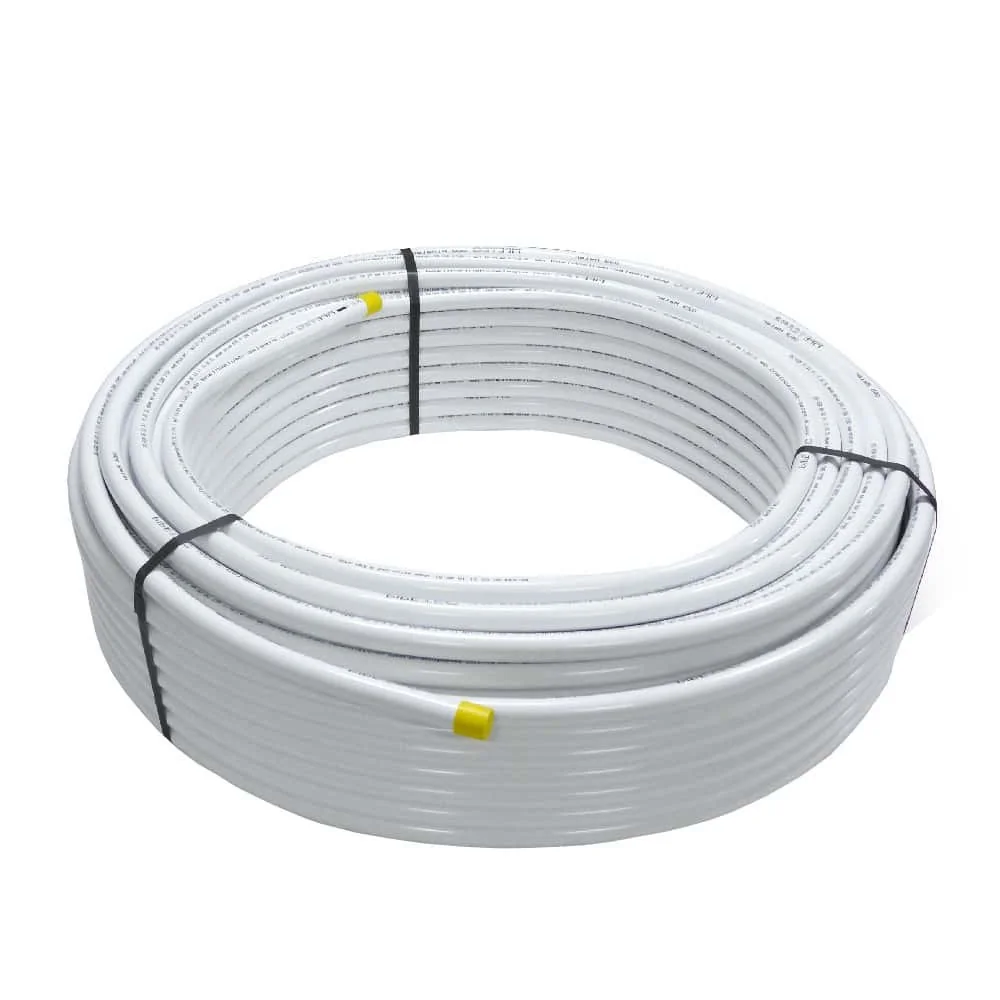
It is also worth looking at the heating pipe insulation category for existing pipes. Suitable insulation reduces heat loss on the way to the radiator. However, it does not replace hydraulic balancing or repairing a leaking system.
“Radiators should not be covered by furniture or curtains so that heat can enter the room without obstruction.”
How can you save on heating costs and optimise room temperature?
Bleeding radiators improves heat distribution, but on its own it does not reduce heating costs in the long term. For effective room temperature optimisation, radiators, thermostats, windows, doors and the control system must work together. Set the temperature only as high as you actually need for the way you use the room.
What room temperature is right for each room?
- Living room: Around 20 to 21 degrees is sufficient for most households.
- Bedroom: 16 to 18 degrees supports a cooler sleeping environment.
- Bathroom: Around 21 to 23 degrees is comfortable while in use.
- Kitchen: 18 to 20 degrees is usually enough because cooking generates additional heat.
- Hallway and spare rooms: 16 to 18 degrees prevents unnecessary energy consumption.
These figures are a guide. On many valves, thermostat setting 3 corresponds to approximately 20 degrees, but not every controller works in the same way. Do not turn the thermostat up to 5 to heat a room faster. The valve will simply stay open for longer.
How can you save heating costs with your heating system?
Keep radiators unobstructed and regularly remove dust from their surfaces. Open windows fully for a few minutes instead of leaving them tilted open. Short, intense ventilation quickly reduces indoor humidity while walls and furniture cool down less.
Lower the temperature moderately at night or during longer periods of absence. Close the doors to cooler rooms and check that window and door seals are airtight. Lowering the temperature too much can encourage mould and require more energy to heat the room again.
A single room with additional heating requirements can be supported separately. An electric solution such as the Amaze Solo Smart Panel Heater 420 W is listed as
. Before use, check the power consumption, installation location and safety clearances. An additional heater cannot replace a faulty central heating system.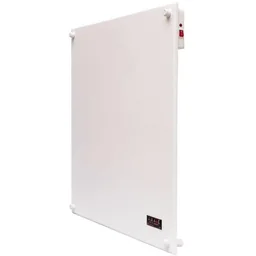
What does heating system maintenance involve?
Regular maintenance checks the heat generator, burner, pump, safety valves, pressure, controls and flue system. You can bleed radiators yourself, but work involving gas, electricity and sealed system components should be left to a qualified professional. The same applies to hydraulic balancing and cleaning heating circuits contaminated with sludge.
After bleeding the radiators, check whether the rooms heat evenly and whether the system pressure remains stable. If you have to top up the system regularly or bleed the radiators several times per season, record your observations and arrange for a professional inspection. You can find other suitable solutions in the Plumbing + Irrigation section.
Additional advice
Check the radiator again the following day. If it starts gurgling again, the pressure drops once more or the surface remains unevenly warm, there is probably a technical fault. Note the room, thermostat setting and pressure reading before contacting a qualified professional.
With a correctly bled radiator, unobstructed heating surfaces and suitable room temperatures, your system can make better use of the available heat. Check your radiators at the start of every heating season and respond to unusual noises or cold areas before the loss of comfort spreads to several rooms.
Frequently asked questions
- How often should I bleed my radiators?
- Bleed your radiators at the start of the heating season and whenever they gurgle, remain cold at the top or heat unevenly. In a detached house, checking them once a year is often sufficient. After work on the heating system or topping up the water, check all radiators again.
- Why is my radiator still not heating up after bleeding?
- If a radiator remains cold after bleeding, first check the thermostatic valve, return pipe and system pressure. If only the upper section remains cold, there is often still air in the system. If the entire radiator remains cold or the problem affects several rooms, the heating system usually needs to be inspected by a qualified professional.
- How much water should come out when bleeding a radiator?
- Air and then a small amount of heating water will come out when bleeding a radiator. Close the valve as soon as a steady stream of water appears. A cloth and a small container are normally sufficient. If a large amount of water continues to escape or the valve cannot be closed, stop the process and call a qualified professional.
- Does the heating need to be switched off when bleeding radiators?
- Switch off the heating system or circulation pump before bleeding the radiators if you can access it, and wait around 30 minutes. In a rented property, turn down the thermostat and bleed the radiator according to the manufacturer's instructions. After bleeding, turn the thermostat back up and check the pressure.
- Can bleeding radiators reduce heating costs?
- Bleeding removes air from the radiator and improves heat distribution. This can help the system work more efficiently, but the savings depend on the condition of the system. You can save additional heating costs with suitable room temperatures, unobstructed radiators, airtight window seals, insulated heating pipes and regular maintenance.
You might also be interested in
- How to bleed and clean radiators: Tips for improved efficiency
- Understanding heating technology: Maintenance, efficiency & saving costs
- Radiator not heating up: Find and fix the causes
- How to top up heating system water: An easy guide for your home
- How to replace a radiator thermostat and reduce heating costs
- How to fit a radiator thermostat correctly