
In brief: Our 2026 test and comparison shows that electric scooters and mobility scooters are versatile ways to get around. They mainly differ in motor power, range, and features. Lightweight e-scooters are ideal for short trips, while three-wheeled mobility scooters offer greater stability and comfort. We compare the best models and help you choose the right one.
Electric mobility is evolving quickly. In 2026, electric scooters and mobility scooters offer more choice, power, and comfort than ever. Whether you need one for your commute, a leisurely ride, or a trip to the store, our comprehensive test and comparison can help you find the right model.
We look at key factors such as range, speed, and ride comfort. Our comparison explains the differences between classic e-scooters and three-wheeled mobility scooters, so you can make an informed buying decision.
Table of contents
What types of electric scooters are available?
The market includes several categories, each designed to meet different needs.
Classic e-scooters
You ride these lightweight, compact models while standing. They are ideal for the last mile, such as getting from a transit station to work. They fold up easily for transport. However, their range and speed are limited.
Two-wheeled electric scooters
These models look similar to conventional motor scooters. A seat, footrests, and often a windshield add comfort. They reach higher speeds and offer more range than e-scooters, making them suitable for longer trips around town.
Three-wheeled mobility scooters
These models offer excellent stability and comfort. With two wheels at the front or rear, they provide a steady ride. They can be a good choice for older adults or anyone who values easy mounting and dismounting. They combine the maneuverability of a scooter with the comfort of a small car.
Tip: Think about where and how you plan to use your scooter most. An e-scooter may be enough for short, spontaneous trips. For regular, longer rides, consider a comfortable electric scooter or mobility scooter.
What should you consider when buying an electric scooter?
A thorough test looks at several factors. Performance specs aren't the only things to consider.
Range and battery life
The stated range is a theoretical figure based on ideal conditions. In everyday use, hills, headwinds, and frequent stops can reduce it. Choose a model with enough range to comfortably cover your daily route and help avoid charging hassles.
Motor power and speed
Motor power affects how well a scooter climbs hills and accelerates. Top speeds and licensing requirements vary by state and locality. Check your local laws before riding. Faster models can offer a more thrilling ride but may be subject to additional restrictions.
Comfort and features
Check the seat, suspension, and controls. A large, flat footwell can be useful when carrying groceries. Helpful extras include a basket, a USB port for charging your phone, and LED lights. Visit our electric scooters and mobility scooters category to compare features.
Frame and tires
Pneumatic tires offer more comfort than solid rubber tires but can get punctured. Wheel size affects how easily the scooter handles curbs. A stable frame is essential for safety, especially at higher speeds.
Important: Manufacturers often measure range and performance under laboratory conditions. In real-world city traffic, expect around 20-30% less range. If possible, test your preferred model on a typical route before you buy.
Best Electric Mobility Scooters and E-Scooters Compared for 2026
This year, the models that combine comfort and practicality stand out. The table below gives you a clear overview of the top models we tested.
Our highest-rated electric mobility scooters and e-scooters, compared side by side:
| Model | Customer rating | Availability |
|---|---|---|
| Bologna 3-Wheel Electric Mobility Scooter, 25 km/h, red | – | Currently unavailable |
| Bologna 3-Wheel Electric Mobility Scooter, 25 km/h, silver | – | Currently unavailable |
| Bari 3-Wheel Electric Mobility Scooter, 6 km/h: 48V/20Ah lead-gel, blue | – | Currently unavailable |
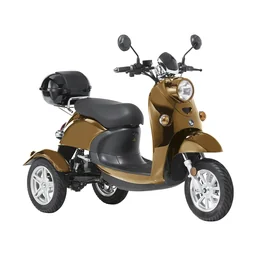
| Modena 3-Wheel Electric Mobility Scooter, 25 km/h: 60V/20Ah lead-gel, copper | – | Currently unavailable |
| Bologna 3-Wheel Electric Mobility Scooter, 25 km/h, black | – | Currently unavailable |
The three-wheel electric mobility scooters in the Modena series stand out for their thoughtful features. The in black pairs modern scooter styling with the comfort of an electric mobility scooter. It’s a dependable choice for everyday use.
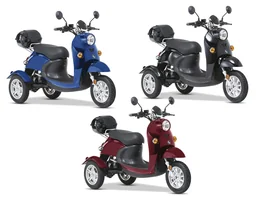
If you prefer another color, the blue version
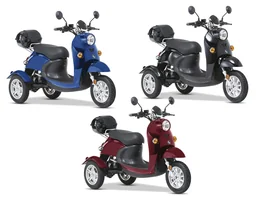
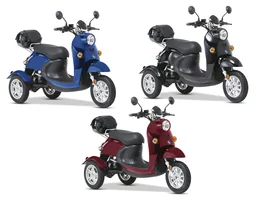
Another classic is the in copper. It offers proven technology and dependable performance. Explore our full range of electric mobility products in our shop.
What You Need to Know About Safety and Legal Requirements
The fun of riding should never come at the expense of safety. Always follow the applicable rules.
Insurance and license plates
Every motorized vehicle requires third-party liability insurance and an insurance plate. This also applies to electric scooters with a top speed of over 6 km/h. You must get insurance before your first ride.
Helmet requirements and protective gear
Fast electric scooters often require a helmet. Even where helmets aren’t mandatory, wearing one provides essential protection. Additional protective gear, such as gloves and a sturdy jacket, can make you much safer.
Where can you ride?
Electric mobility scooters and e-scooters are generally allowed on bike paths, bicycle streets, and roads. Sidewalks are off limits. Check local regulations, as they can vary from one town or city to another. Improper parking can result in hefty fines.
Note: Your vehicle’s legal classification depends largely on its design-related top speed. If you buy a model from another EU country, check that it is approved for use in Germany and has all the required CE markings.
How to Keep Your Electric Scooter in Good Shape Longer
Regular maintenance extends your vehicle’s service life and helps preserve its value.
Taking care of the battery
Charge the battery regularly, even if you won’t use the vehicle for an extended period. Don’t let the battery run completely flat. Store it in a dry, frost-free place during winter. Use only the original charger.
Mechanical maintenance
Check tire pressure and brake pad wear regularly. Check moving parts, such as the steering head bearings and kickstand, for looseness from time to time, and adjust them if needed. On models with a chain, keeping it clean helps protect the drive system.
Cleaning and storage
Clean your scooter with a damp cloth and mild cleaner. Don’t spray water directly onto electrical components such as the display or charging port. Store the vehicle in a dry place away from direct sunlight.
Which Trends Are Shaping Electric Mobility?
Technology is advancing rapidly. These developments are set to shape the market in the coming years.
Smart connectivity
More and more scooters offer Bluetooth or app connectivity. You can use it to check vehicle data, activate anti-theft protection, or plan routes. Connecting with other forms of transportation is also getting easier.
More powerful, longer-lasting batteries
Research into solid-state batteries promises higher energy density and shorter charging times. This could increase range without adding weight and reduce costs over the long term.
Modular design and sustainability
Manufacturers are exploring components that are easier to replace and materials that are easier to recycle. A modular design makes it simple to replace or upgrade individual parts, such as the battery or seat.
Personal Buying Advice: How to Choose the Right Model
These questions can help you narrow down your options.
What will you mainly use it for? Short commutes, shopping trips or leisurely rides? Your answer will help you decide how much range and comfort you need.
Where will you store and charge the scooter? Do you have a dry, accessible parking space with a power outlet? This will affect your choice of battery capacity and scooter weight.
Which legal requirements apply to you? Check your license status and whether insurance is required before you buy. This can help you avoid unpleasant surprises.
Take your time comparing the models. Use our extensive catalogue in the Electric Scooters, E-Scooters category as a starting point. An electric scooter or e-scooter is a worthwhile investment in your personal mobility and independence. We wish you a safe and enjoyable ride.
Frequently Asked Questions
- Which electric scooters are suitable for commuters?
- Models with a range of at least 20 kilometres and a top speed of 20 km/h or more are suitable for commuters. Look for a comfortable riding position, good suspension and enough storage space. Three-wheeled mobility scooters are especially practical for added stability in urban traffic.
- What is the difference between an electric scooter and an e-scooter?
- Electric scooters resemble traditional motor scooters, with a seat, footrests and often a windscreen. E-scooters are smaller, stand-up scooters powered by an electric motor. Electric scooters offer greater comfort and range, while e-scooters are lighter, easier to handle and usually less expensive.
- Do I need a license to ride an electric scooter?
- For electric scooters with a top speed of up to 25 km/h, you need at least a moped license (Class AM). For faster models exceeding 45 km/h, a Class A1 or B license is required. Always check the exact legal requirements for the model you choose.
- How long does an electric scooter battery last?
- A battery's lifespan depends on its type and how it is used. With proper care, modern lithium-ion batteries last around 500 to 1000 charging cycles. With average use, that amounts to several years. Avoid deep discharging and extreme temperatures to help maximise the battery's lifespan.
- Can I ride an electric scooter in the rain?
- Most electric scooters are designed for use in wet conditions, but their levels of water protection vary. Check the IP rating. Even so, ride carefully in heavy rain, as traction decreases and braking distances increase. Dry your scooter after each ride.