
In brief: Proper herb care means paying attention to location, watering and nutrient needs. Prevent waterlogging with loose soil and good drainage. Water moderately, fertilize sparingly and prune regularly to encourage bushy growth. Adjust overwintering care to each herb so you can enjoy your harvest all year round.
A herb garden of your own, whether on a balcony, windowsill or in a garden bed, promises fresh flavors for your kitchen. But the enjoyment often doesn't last long. Basil leaves droop, rosemary turns brown and parsley barely grows. The same care mistakes are often to blame. With the right know-how, you can turn your herb garden into a thriving oasis.
Mistake 1: Choosing the wrong location – Why light and space matter
Every herb has its own preferences. Ignore them and you'll get stunted growth and bland flavor. The right location is the foundation for healthy plants.
Sun lovers and shade lovers
Many popular culinary herbs come from the Mediterranean. Rosemary, thyme, sage, oregano and lavender need full sun to develop their essential oils and intense flavor. At least six hours of direct sunlight a day is ideal. In a shady spot, they grow tall and spindly and become more susceptible to disease.
Other herbs prefer more moderate conditions. Parsley, chives, mint, cilantro and sweet woodruff thrive best in partial shade. Too much hot midday sun can scorch their delicate leaves. A spot that gets morning or evening sun is ideal.
Don't forget air circulation
Herbs don't like stagnant air, so don't place pots too close together. Good air circulation helps leaves dry quickly after rain and prevents fungal diseases such as powdery mildew. This is especially important for densely growing herbs such as basil.
Herbs don't need much, but they do need the right things: the right location, suitable soil, and water and nutrients tailored to their needs.
How should I water herbs? Finding the balance between thirst and waterlogging
Watering is one of the most common sources of mistakes in herb care. Too much water is more harmful than too little. Waterlogging is one of the surest ways to kill almost any herb.
The finger test
Don't follow a fixed watering schedule. Check the soil before each watering. Push your finger about two to three centimeters into the growing medium. If it feels dry, water the plant. If the soil is still moist, wait another day. This simple method helps prevent overwatering.
Know what each herb needs
Every herb is different. Mediterranean herbs, often with gray, hairy or needle-like leaves, are adapted to dry conditions. Water rosemary, thyme and sage less often, but thoroughly. Let the soil dry out well between waterings. Herbs with large, soft leaves, such as basil and parsley, lose more water through evaporation and need evenly moist soil. But they can't tolerate wet feet either.
Important note
Waterlogging is your herbs' greatest enemy. Make sure pots and planters have drainage holes. A drainage layer of expanded clay or gravel at the bottom of the pot helps water drain and keeps the roots from sitting in water and rotting.
Mistake 3: Using the wrong soil and choosing unsuitable companions
Healthy root growth starts with the right growing medium. Standard potting soil is unsuitable for most herbs because it is too rich in nutrients and holds water for too long.
Mixing the right growing medium
Lean, well-draining soil is essential for Mediterranean herbs. Mix commercially available herb soil with sand or fine gravel in a 2:1 ratio. This improves drainage and recreates the soil conditions of their native habitat.
Native and moisture-loving herbs such as chives and lovage prefer soil that is richer in humus but still loose. You can enrich herb soil with a little mature compost. For growing herbs and choosing the right seeds, browse our Herbs + Spices category.
Additional advice
Start with high-quality herb soil. It's already suited to the general needs of herbs. Add sand, compost or expanded clay to adjust it to the specific needs of each plant.
Good and bad company
Not all herbs get along. Plant varieties with similar water, light and nutrient needs together. A rosemary plant, which prefers dry, sunny conditions, won't thrive next to mint, which prefers moist, partially shaded conditions. Mint spreads vigorously, so it's best to give it a root barrier or its own pot. A raised bed such as the Anthracite balcony herb planter with legs
lets you create separate zones with different soil mixes for different groups of herbs.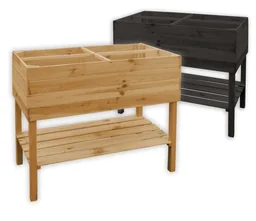
How often should I fertilize herbs? Understanding their nutrient needs
The idea that "more is better" can be disastrous when fertilizing herbs. Most herbs are light feeders, so overfertilizing does more harm than good.
Less is more
Too many nutrients, especially nitrogen, lead to fast but soft, weak growth. Shoots become long and thin, and leaves grow large, but the flavor suffers. The plant focuses on leaf growth instead of producing essential oils. Overfertilized herbs are also more susceptible to aphids and other pests.
How to fertilize correctly
As a rule, potted herbs only need feeding during the growing season, from spring to late summer. Apply an organic herb fertilizer at half strength every four to six weeks. In a garden bed, a single application of compost in spring is often enough. Mediterranean herbs need almost no additional fertilizer. Watch your plants: pale leaves and weak growth can indicate a nutrient deficiency, but check the water supply first.
Pro tip
Use natural fertilizers. Sprinkle a little coffee grounds over the soil and work them in lightly to provide nitrogen for plants such as basil. Crushed eggshells add lime for herbs that prefer alkaline soil, such as sage.
Mistake 5: Pruning incorrectly – It's about more than harvesting
Regular harvesting is the best way to prune your herbs. It encourages bushy growth and keeps plants from becoming woody or flowering too early, which can reduce their flavor.
The right technique
Don't pick individual leaves from the base of the plant. Instead, cut or pinch off entire shoot tips just above a pair of leaves. The plant will branch out at that point and grow more densely. With basil, this method helps prevent it from flowering too soon.
For woody herbs such as rosemary and thyme, regularly cut the young green shoots. Avoid cutting far back into the old brown wood, as the plant may struggle to sprout again from there. The right garden and plant accessories, such as sharp herb scissors, help you make clean cuts.
How can I successfully winterize my herbs?
Winter can be a challenge for many herb gardeners. The key to success is knowing which varieties are hardy and which are sensitive to frost.
Hardy herbs outdoors
Native and robust Mediterranean herbs such as thyme, sage, mint, oregano or perennial mountain savory
can overwinter outdoors. Protect potted plants by wrapping the container in burlap or garden fleece and setting it on a foam board. This helps keep the root ball from freezing. A layer of leaves or brushwood over the soil provides extra protection. Water very sparingly on frost-free days to prevent rot.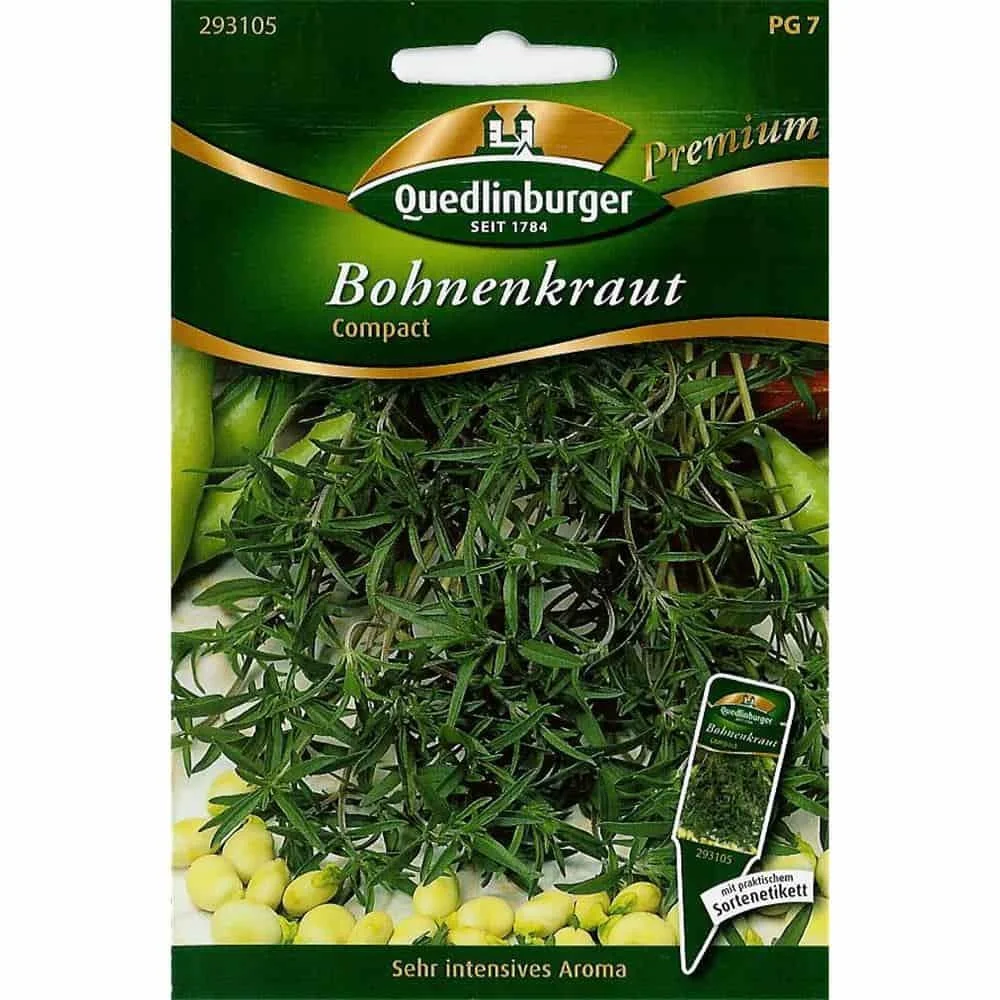
Bring frost-sensitive herbs indoors
Herbs such as rosemary (which is only partially hardy), basil and lemon verbena must be brought indoors before the first frost. The ideal place to overwinter them is bright and cool, at temperatures between 5 and 10 degrees Celsius. An unheated hallway or bright basement works well. The warmer the location, the more light the plant needs. Water as little as possible; the soil should stay just slightly moist.
The most common mistake when overwintering Mediterranean herbs is giving them too much water while keeping them too warm. This encourages rot and pest infestations.
Mistake 7: Using supermarket herbs straight away
A pot of supermarket basil looks good for a few days, then dies. It’s not bad luck; these plants are grown for quick use, not to thrive on a windowsill for long.
Give the plants a chance
The pots are usually much too small and contain dozens of seedlings competing for light, water and nutrients. The soil is often poor quality. To save these herbs, you need to act. Carefully divide the root ball into three to four smaller portions. Repot them in larger containers filled with high-quality potting mix for herbs. A practical option is the honey-brown raised balcony herb bed
, which gives them plenty of room.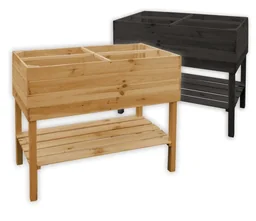
Acclimate them gradually
Don’t put freshly repotted herbs in direct sunlight right away. They were grown in a greenhouse under ideal conditions, so they need time to adjust to their new light and temperature levels. A partly shaded, sheltered spot is ideal for the first week. Water them thoroughly and keep the soil evenly moist.
Now that you know the most common mistakes, you’re ready to grow healthy herbs. Keep an eye on your plants and learn what each one needs. A well-cared-for herb garden, with the right garden tools, will reward you with plenty of fresh, aromatic leaves for your kitchen.
Frequently asked questions
- Why are my herbs turning yellow?
- Yellow leaves often indicate overwatering or a nutrient deficiency. Check the soil moisture. If the soil is too wet, water less and make sure it drains well. If the soil is dry and the leaves are yellow, carefully applying an organic liquid fertilizer may help.
- How often should I water herbs?
- It depends on the type of herb and where it’s growing. Mediterranean herbs such as rosemary prefer drier conditions, while basil needs more water. As a rule of thumb, water only when the top layer of soil is dry. The finger test is a reliable guide.
- Can I use rainwater to water my herbs?
- Yes, rainwater is ideal for most herbs. It contains little lime and is at a good temperature. Tap water also works, but let it stand until it reaches room temperature and any lime can settle.
- Which herbs should not be planted together?
- Plant herbs with different growing needs separately. Vigorous growers such as mint should have their own pot. Mediterranean herbs such as thyme and rosemary grow well together, but they don’t thrive alongside water-loving herbs such as parsley or chives.
- Do I need to repot my herbs?
- Yes, especially supermarket herbs, which should be repotted soon after purchase. They’re often crowded together in nutrient-poor soil. Choose a larger pot with fresh potting mix suited to herbs to give the roots room to grow and help the plant thrive.