
Kurz erklärt: Ein Küchengarten auf der Fensterbank gelingt mit dem richtigen Standort, passenden Pflanzen und der richtigen Pflege. Wählen Sie ein sonniges Fenster, nutzen Sie Töpfe mit Drainage und hochwertige Kräutererde. Kräuter wie Basilikum und Schnittlauch oder kleines Gemüse wie Chili eignen sich ideal für den ganzjährigen Anbau direkt in Ihrer Küche.
Stellen Sie sich vor, Sie greifen für Ihr Abendessen einfach zum Fensterbrett und zupfen frisches Basilikum für die Pasta oder knackigen Schnittlauch für den Salat. Ein eigener Küchengarten auf der Fensterbank macht diesen Traum zur Realität. Sie benötigen keinen großen Garten, um das ganze Jahr über aromatische Kräuter und sogar kleines Gemüse zu ernten. Dieser Leitfaden zeigt Ihnen, wie Sie Ihr Fenster in eine produktive grüne Ecke verwandeln.
Warum ein Küchengarten auf der Fensterbank die beste Idee ist
Ein Kräutergarten in der Küche ist mehr als nur eine Dekoration. Er ist eine Quelle für Frische und Geschmack, die Ihre Gerichte auf ein neues Level hebt. Supermarkt-Kräuter verlieren schnell an Aroma und welken oft schon nach wenigen Tagen. Ihre selbst gezogenen Pflanzen ernten Sie erst kurz vor dem Verzehr. Das bedeutet maximalen Geschmack und Nährstoffgehalt.
Zudem handeln Sie nachhaltig. Sie reduzieren Verpackungsmüll und vermeiden lange Transportwege. Sie wissen genau, was in Ihren Pflanzen steckt, da Sie auf chemische Spritzmittel verzichten können. Nicht zuletzt ist die Pflege der Pflanzen ein entspannendes Hobby, das Freude in den Alltag bringt und Sie mit der Natur verbindet, selbst in einer Stadtwohnung.
Die Natur ist die größte Apotheke.
Die richtige Standortwahl: Wo fühlen sich Kräuter am wohlsten?
Der Erfolg Ihres Küchengartens hängt maßgeblich vom Standort ab. Pflanzen brauchen Licht zum Leben. Die meisten Kräuter und Gemüsesorten lieben die Sonne und benötigen mindestens fünf bis sechs Stunden direktes Licht pro Tag, um kräftig und aromatisch zu wachsen.
Licht, Licht und noch mehr Licht
Ein Fenster mit Südausrichtung ist der ideale Platz für Sonnenanbeter. Mediterrane Kräuter wie Rosmarin, Thymian, Salbei und Oregano gedeihen hier prächtig. Sie sind an intensive Sonneneinstrahlung und trockenere Bedingungen gewöhnt.
Fensterbänke mit Ost- oder Westausrichtung bieten ebenfalls gute Bedingungen. Sie erhalten für einige Stunden am Tag direkte Sonne. Das ist perfekt für Kräuter wie Basilikum, Petersilie, Schnittlauch und Minze. Ein Nordfenster ist die größte Herausforderung. Hier ist das Licht meist zu schwach für die meisten Kräuter. Eine spezielle Pflanzenlampe kann hier Abhilfe schaffen.
Temperatur und Luftzirkulation
Die meisten Kräuter bevorzugen moderate Zimmertemperaturen zwischen 18 und 22 Grad Celsius. Im Winter sollten Sie darauf achten, dass die Pflanzen nicht direkt über einer heißen Heizung stehen. Die trockene Luft kann ihnen schaden und macht sie anfälliger für Schädlinge. Regelmäßiges Lüften sorgt für die nötige Luftzirkulation, aber vermeiden Sie kalte Zugluft, die den Pflanzen einen Schock versetzen kann.
Wichtiger Hinweis
Achten Sie im Winter auf den Platz direkt am Fenster. Die Blätter Ihrer Pflanzen sollten die kalte Fensterscheibe nicht berühren, da dies zu Kälteschäden führen kann. Ein kleiner Abstand zur Scheibe schützt Ihre Kräuter vor Frostschäden.
Welche Kräuter und Gemüsesorten eignen sich für die Fensterbank?
Die Auswahl an Pflanzen für den Indoor-Garten ist groß. Beginnen Sie mit einigen pflegeleichten Sorten, um erste Erfolge zu sammeln, bevor Sie sich an anspruchsvollere Kandidaten wagen.
Die Klassiker: Pflegeleichte Kräuter für Einsteiger
Diese Kräuter sind robust und verzeihen auch kleinere Pflegefehler. Sie sind die perfekte Wahl, um mit dem Gärtnern auf der Fensterbank zu starten.
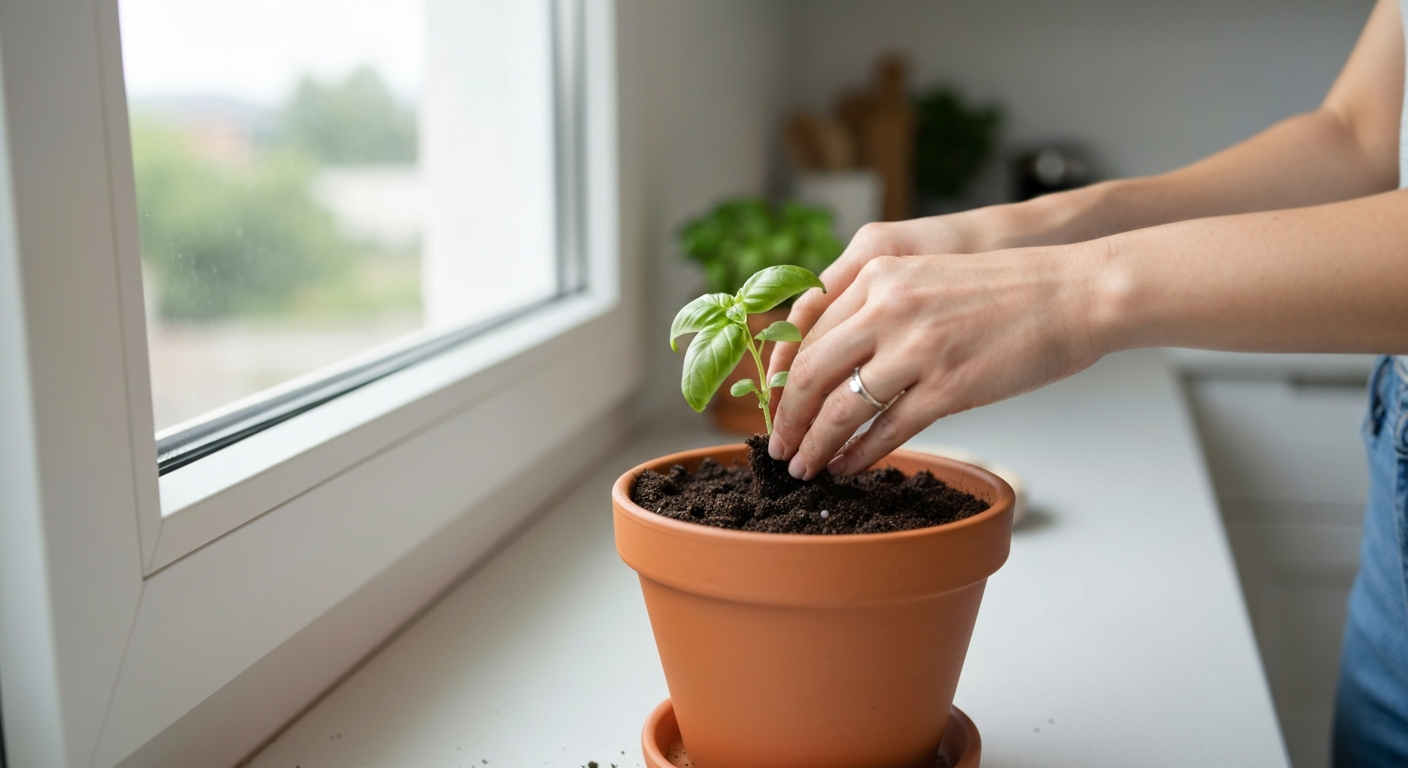
- Basilikum: Der König der italienischen Küche. Er liebt Wärme und viel Licht, mag aber keine nassen Blätter. Gießen Sie ihn immer direkt auf die Erde.
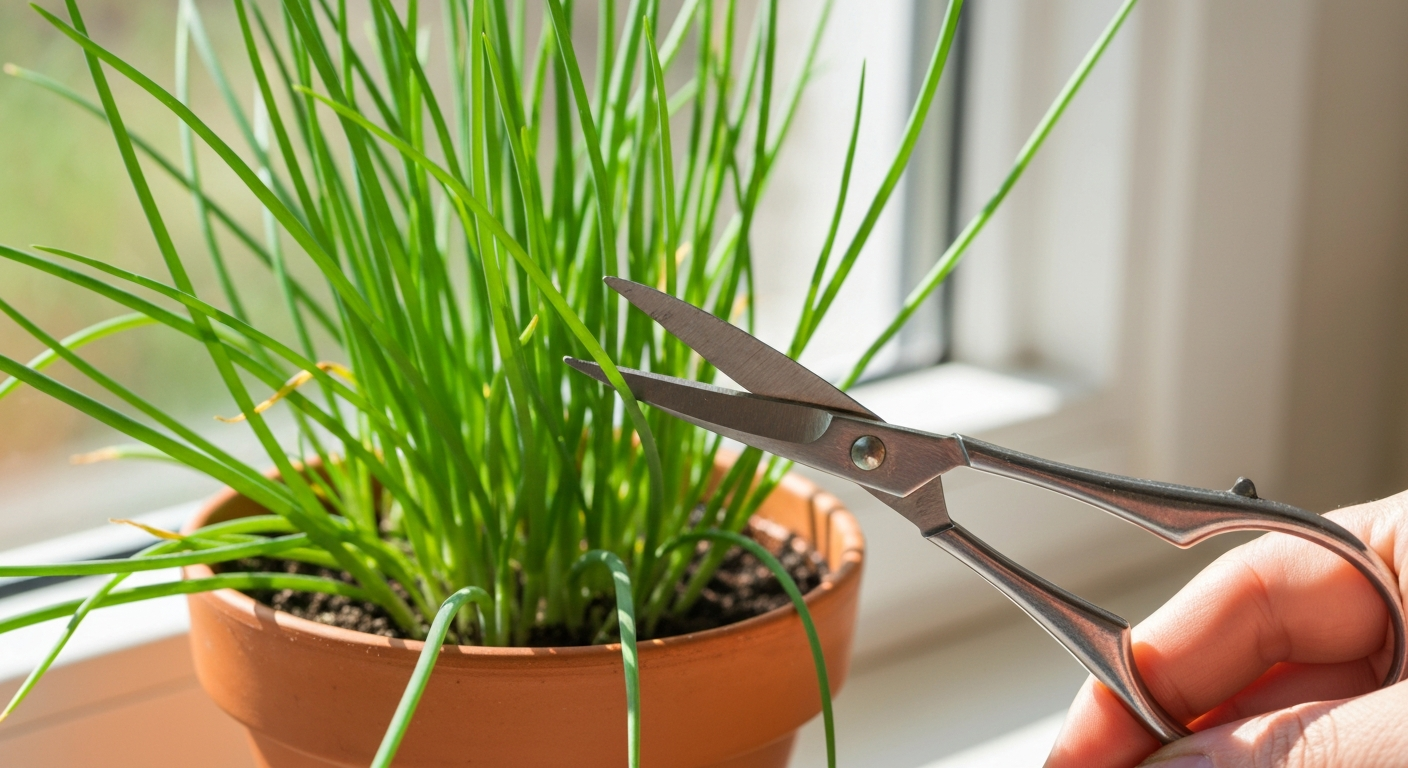
- Schnittlauch: Ein unkomplizierter Klassiker für Salate, Dips und Rührei. Er wächst schnell nach und kann regelmäßig geerntet werden.
- Petersilie: Ob glatt oder kraus, Petersilie ist ein Muss in jeder Küche. Sie bevorzugt einen hellen Standort ohne pralle Mittagssonne.
- Minze: Sehr wuchsfreudig und perfekt für Tees oder Cocktails. Geben Sie der Minze einen eigenen Topf, da sie dazu neigt, andere Pflanzen zu verdrängen.
Eine große Auswahl an Samen für Kräuter + Gewürze finden Sie direkt bei uns im Shop, um sofort loszulegen.
Für Fortgeschrittene: Mediterrane und anspruchsvollere Sorten
Wenn Sie bereits Erfahrung gesammelt haben, können Sie sich an diese Sorten wagen. Sie benötigen viel Sonne und eine sehr gezielte Bewässerung.
- Rosmarin: Liebt die volle Sonne und benötigt durchlässige, eher trockene Erde. Ideal für Kartoffelgerichte und Fleisch.
- Thymian: Ein weiteres Sonnenkind, das mit wenig Wasser auskommt. Perfekt für mediterrane Eintöpfe und Soßen.
- Dill: Benötigt viel Licht und einen tiefen Topf für seine Pfahlwurzel. Unverzichtbar für Fischgerichte und Gurkensalat.
Klein, aber oho: Gemüse für die Küche
Ja, Sie können sogar Gemüse auf der Fensterbank anbauen! Wählen Sie kleinwüchsige oder spezielle Indoor-Züchtungen.
- Chilischoten: Kompakte Sorten wachsen gut in Töpfen und liefern scharfe Früchte für Ihre Gerichte.
- Kirschtomaten: Sorten wie 'Balkonzauber' oder 'Tiny Tim' sind speziell für den Topfanbau gezüchtet.
- Radieschen: Wachsen schnell und benötigen nur einen mitteltiefen Topf. Die frische Schärfe ist eine tolle Ergänzung für Salate.
- Microgreens: Das sind junge Keimpflanzen von Kräutern und Gemüse. Sie sind nach wenigen Tagen erntereif und extrem nährstoffreich.
Entdecken Sie die Vielfalt und finden Sie das passende Allerlei Gemüse für Ihr Fensterbank-Projekt.
Zusätzlicher Rat
Starten Sie mit zwei oder drei verschiedenen Pflanzenarten. So können Sie sich auf deren spezifische Bedürfnisse konzentrieren und ein Gefühl für das Gärtnern auf der Fensterbank entwickeln, ohne überfordert zu sein. Sobald Sie sich sicher fühlen, können Sie Ihren Garten erweitern.
Schritt-für-Schritt-Anleitung: So legen Sie Ihren Küchengarten an
Der Start ist einfach. Mit den richtigen Materialien und ein paar Handgriffen schaffen Sie die Basis für eine reiche Ernte.
Gefäße und Erde auswählen
Wählen Sie Töpfe, die groß genug für die jeweilige Pflanze sind. Das Wichtigste ist ein Abflussloch im Boden. Ohne Drainage sammelt sich Wasser im Topf, die Wurzeln beginnen zu faulen und die Pflanze stirbt ab. Terrakottatöpfe sind atmungsaktiv und lassen die Erde schneller trocknen, während Kunststofftöpfe die Feuchtigkeit länger halten. Verwenden Sie hochwertige Kräuter- oder Anzuchterde. Sie ist locker und nährstoffarm, was ideal für das Keimen und das erste Wachstum ist.
Aussaat oder fertige Pflanzen?
Sie haben zwei Möglichkeiten: Sie können Ihre Kräuter aus Samen ziehen oder junge, vorgezogene Pflanzen kaufen. Die Anzucht aus Samen ist günstiger und Sie haben eine größere Sortenvielfalt. Es erfordert jedoch mehr Geduld. Der Kauf von Jungpflanzen ist einfacher und Sie können schneller ernten. Achten Sie beim Kauf auf kräftige, gesunde Pflanzen ohne Anzeichen von Schädlingen.
Richtiges Einpflanzen und Angießen
Füllen Sie den Topf zu zwei Dritteln mit Erde. Setzen Sie die Pflanze oder die Samen vorsichtig ein und füllen Sie den Topf mit Erde auf, bis der Wurzelballen bedeckt ist. Drücken Sie die Erde leicht an. Gießen Sie die Pflanze danach gründlich an, bis Wasser aus dem Abflussloch läuft. So stellen Sie sicher, dass der gesamte Wurzelballen durchfeuchtet ist.
Pflege-Tipps für eine reiche Ernte das ganze Jahr
Mit der richtigen Pflege bleiben Ihre Pflanzen gesund und produktiv. Kontinuierliche Aufmerksamkeit sichert Ihnen eine ständige Versorgung mit frischen Aromen.
Richtig Gießen: Weniger ist oft mehr
Die häufigste Todesursache für Zimmerpflanzen ist Überwässerung. Stecken Sie Ihren Finger etwa zwei Zentimeter tief in die Erde. Fühlt sie sich trocken an, ist es Zeit zu gießen. Fühlt sie sich noch feucht an, warten Sie noch ein oder zwei Tage. Gießen Sie lieber seltener, aber dafür durchdringend, anstatt täglich nur ein wenig.
Düngen für kräftiges Wachstum
Die Nährstoffe in der Topferde sind begrenzt. Während der Wachstumsphase von Frühling bis Herbst benötigen Ihre Pflanzen zusätzliche Nährstoffe. Verwenden Sie alle zwei bis vier Wochen einen flüssigen organischen Kräuterdünger in halber Konzentration. Im Winter legen die meisten Pflanzen eine Wachstumspause ein und benötigen keinen Dünger.
Profi-Tipp
Nutzen Sie die Kraft der Natur für eine nachhaltige Nährstoffversorgung. Innovative Dünger auf Basis von Insektenlarven, wie die
, sind eine proteinreiche und umweltfreundliche Alternative. Fein zermahlen und oberflächlich in die Erde eingearbeitet, geben sie langsam und kontinuierlich wertvolle Nährstoffe an Ihre Kräuter ab und fördern ein gesundes Bodenleben.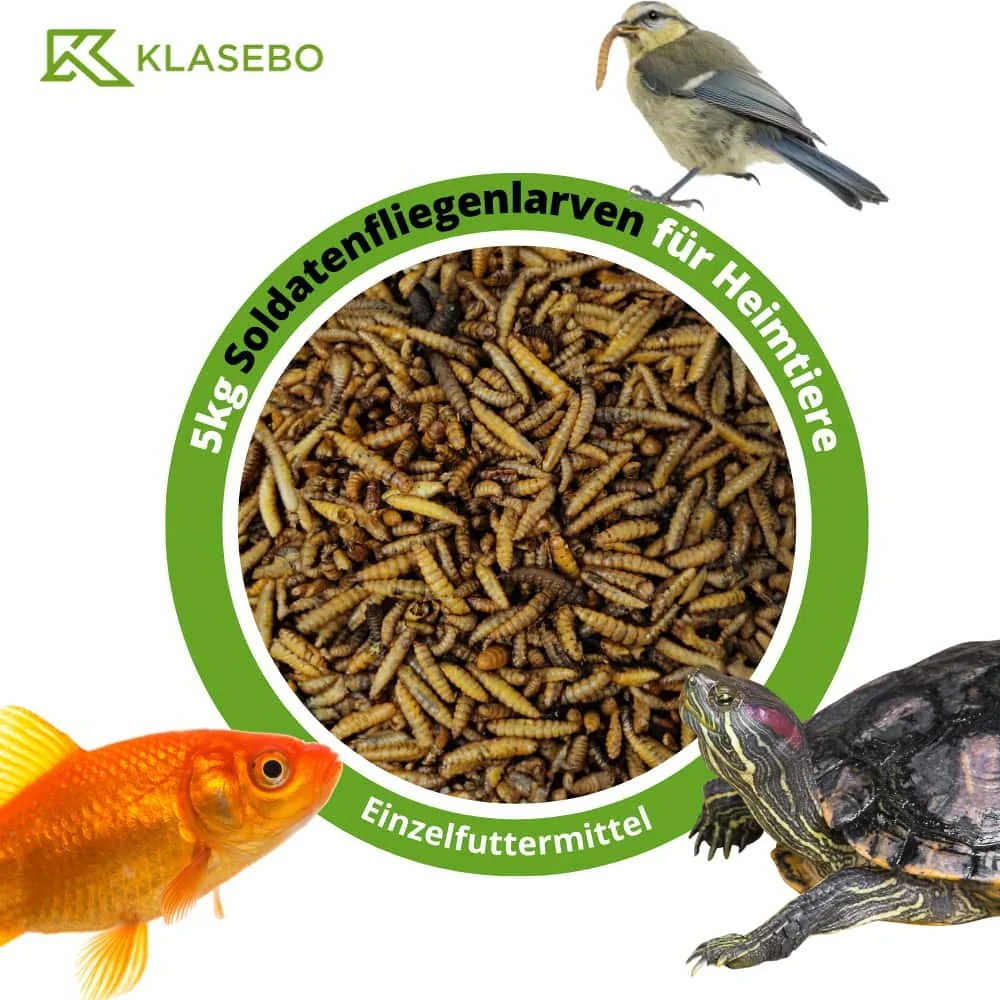
Ernten und Schneiden für buschige Pflanzen
Regelmäßiges Ernten ist entscheidend. Es versorgt Sie nicht nur mit frischen Kräutern, sondern regt die Pflanze auch an, buschiger und kompakter zu wachsen. Schneiden Sie immer ganze Triebe oder Blattpaare ab, nicht nur einzelne Blätter. Bei Kräutern wie Basilikum schneiden Sie oberhalb einer Blattachsel. Dort wird die Pflanze zwei neue Triebe bilden.
Häufige Probleme und wie Sie diese lösen
Auch im besten Küchengarten können Probleme auftreten. Mit dem richtigen Wissen können Sie schnell reagieren und Ihre Pflanzen retten.
Schädlingsbefall erkennen und bekämpfen
Die häufigsten Schädlinge auf der Fensterbank sind Blattläuse, Spinnmilben und Trauermücken. Kontrollieren Sie Ihre Pflanzen regelmäßig, auch auf den Blattunterseiten. Bei leichtem Befall können Sie die Schädlinge mit einem starken Wasserstrahl abspülen. Eine Lösung aus Wasser und Schmierseife oder ein Mittel auf Neemöl-Basis hilft bei hartnäckigerem Befall.
Krankheiten vorbeugen
Echter Mehltau, ein weißer Belag auf den Blättern, und Wurzelfäule durch Staunässe sind die häufigsten Krankheiten. Sorgen Sie für eine gute Luftzirkulation und vermeiden Sie unbedingt Überwässerung. Entfernen Sie befallene Pflanzenteile sofort, um eine Ausbreitung zu verhindern.
Geduld ist die oberste Tugend des Gärtners.
"Vergeilen" der Pflanzen verhindern
Wenn Ihre Pflanzen lange, dünne und schwache Triebe mit kleinen Blättern entwickeln, leiden sie unter Lichtmangel. Dieses „Vergeilen“ ist der Versuch der Pflanze, schnell zur nächsten Lichtquelle zu wachsen. Die Lösung ist einfach: Stellen Sie die Pflanze an einen helleren Ort. Drehen Sie die Töpfe alle paar Tage, damit alle Seiten der Pflanze gleichmäßig Licht erhalten und sie gerade wächst.
Ein Küchengarten auf der Fensterbank ist ein lohnendes Projekt, das wenig Platz benötigt und viel Freude bereitet. Der Duft von frischen Kräutern in Ihrer Küche und der unvergleichliche Geschmack selbst angebauter Zutaten sind der beste Lohn für Ihre Mühe. Starten Sie noch heute und bringen Sie ein Stück Natur in Ihr Zuhause.
Häufige Fragen
- Welche Kräuter brauchen am wenigsten Licht?
- Minze, Petersilie und Schnittlauch kommen mit weniger direktem Sonnenlicht aus als mediterrane Kräuter. Ein Ost- oder Westfenster ist für sie oft ausreichend. Bei sehr dunklen Standorten kann eine Pflanzenlampe helfen, das Wachstum zu unterstützen und die Pflanzen kräftig zu halten.
- Wie oft muss ich meine Kräuter auf der Fensterbank gießen?
- Gießen Sie, wenn sich die oberste Erdschicht trocken anfühlt. Die Häufigkeit hängt von der Raumtemperatur, der Topfgröße und der Pflanzenart ab. Staunässe ist unbedingt zu vermeiden, da sie zu Wurzelfäule führt. Im Winter benötigen die Pflanzen meist weniger Wasser als im Sommer.
- Kann ich auch Gemüse auf der Fensterbank anbauen?
- Ja, kleinbleibende Sorten eignen sich hervorragend. Dazu zählen zum Beispiel Chili, kleinfrüchtige Tomatensorten wie „Balkonzauber“, Radieschen oder Pflücksalat. Achten Sie auf ausreichend große Töpfe und eine gute Nährstoffversorgung, da Gemüse oft mehr Dünger benötigt als Kräuter.
- Was mache ich gegen Schädlinge an meinen Küchenkräutern?
- Kontrollieren Sie Ihre Pflanzen regelmäßig auf Blattläuse oder Spinnmilben. Bei einem leichten Befall hilft oft das Abbrausen mit Wasser oder eine Lauge aus Schmierseife. Natürliche Mittel wie Neemöl sind ebenfalls wirksam und für den Einsatz an essbaren Pflanzen geeignet.
- Warum werden meine Kräuter lang und dünn?
- Dieses Phänomen nennt sich „Vergeilen“ und ist ein klares Zeichen für Lichtmangel. Die Pflanze streckt sich verzweifelt der nächsten Lichtquelle entgegen. Stellen Sie sie an einen helleren Ort oder drehen Sie den Topf regelmäßig, damit alle Seiten gleichmäßig Licht bekommen.
Ergänzung: Kräuter auf der Fensterbank: Frische Aromen das ganze Jahr genießen
Damit Kräuter auf der Fensterbank das ganze Jahr kräftig wachsen, brauchen sie ausreichend Licht und einen passenden Standort. Im Winter eignen sich besonders helle Südfenster; bei wenig Tageslicht kann eine Pflanzenlampe unterstützen. Basilikum, Petersilie und Schnittlauch sollten getrennt stehen, damit jede Sorte den Platz bekommt, den sie benötigt.
Gießen Sie erst, wenn die oberste Erdschicht leicht angetrocknet ist, und vermeiden Sie Staunässe. Ernten Sie regelmäßig die äußeren Blätter oder Triebspitzen, ohne die Pflanze zu stark zurückzuschneiden. So bleibt sie buschig und bildet laufend frische Blätter.
Ergänzung: Küchengarten anlegen: Frische Kräuter direkt auf der Fensterbank
Wählen Sie für den Küchengarten eine Fensterbank mit möglichst viel Tageslicht. Basilikum, Petersilie und Schnittlauch gedeihen meist gut an einem hellen Platz; hinter einer stark aufgeheizten Scheibe sollten die Töpfe jedoch nicht stehen. Kräuter mit ähnlichem Wasserbedarf lassen sich gemeinsam gruppieren.
Verwenden Sie Gefäße mit Abzugslöchern und stellen Sie diese auf Untersetzer. Eine lockere Kräutererde und maßvolles Gießen beugen Staunässe vor. Ernten Sie regelmäßig einzelne Triebe oder Blätter, damit die Pflanzen kompakt weiterwachsen.