
In brief: A successful pond project depends on the right combination of planning, equipment and care. We compared products for filtration, aeration and pond design. The best setup depends on whether you want a koi pond, swimming pond or natural pond. This 2026 comparison highlights top solutions and helps you choose the right products.
A garden pond is more than just a body of water. It is a living ecosystem, a relaxing retreat and an eye-catching feature in any garden. But before you can enjoy the gentle sound of running water, you need to plan and build your pond. Pond equipment has come a long way in recent years. New technologies, including efficient solar pumps and smart filter systems, make pond care easier. This 2026 comparison helps you find the right products for your project.
We focus on the key components that can make or break a pond: from water filtration and aeration to practical accessories. The equipment you need depends largely on the type of pond you are planning. A koi pond has different requirements from a natural or swimming pond.
Which type of pond is right for you?
Before comparing products, decide what you want from your pond. Do you want to keep fish, especially koi, which need careful attention? You will need a deep pond and an oversized filtration system. A plant pond or swimming pond needs less equipment, but more space for natural biological filtration.
Your choice of pond sets the foundation for every decision that follows. It determines the required depth, filter size and pump type. A natural pond needs less equipment but more space for a regeneration zone. A fish pond relies more on technology but offers fascinating views of underwater life.
Pond filters compared: the key to clear water
A good filter is the most important piece of equipment in any fish pond. It cleans the water mechanically and biologically. Mechanical filtration removes suspended solids such as leaves and fish waste. Biological filtration relies on bacteria to break down harmful substances such as ammonia and nitrite.
You can choose between pressure filters, which are easy to install underground, and gravity-fed filters, which offer higher performance. For small to medium-sized ponds, a high-quality pressure filter is often enough. For large or heavily stocked ponds, a powerful gravity-fed filter is hard to beat.
What makes a good filter
Look for adequate filter capacity and good water flow. The materials should be UV-resistant and frost-proof. An integrated pre-filter reduces the load on the main filter chambers and means you can clean the filter less often. A backwash system makes maintenance much easier.
For fine filtration and to bind algae spores, special flocculants such as
(OptiFloc) can help. They bind tiny suspended particles that mechanical filters cannot capture into larger clumps, which can then be filtered out.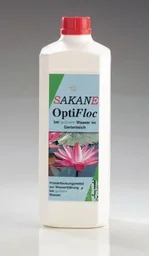
Pumps tested: AC power or solar?
The pump keeps water moving and adds oxygen. It powers the filter and can supply a waterfall or stream. The choice between AC power and solar depends on the location and your priorities.
AC-powered pumps deliver consistent performance whatever the weather. They are the best choice for large ponds and filtration systems with high power requirements. Solar pumps work without an outlet and have low operating costs.
Solar pumps compared in detail
Solar pump technology has come a long way. Basic models only ran in direct sunlight. Modern versions, such as the
(1600 l/h solar pump with battery), have powerful batteries that store energy to keep the pump running at night. The (200 l/h solar pump with battery) is a compact option for small water features or mini ponds.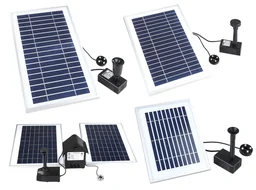
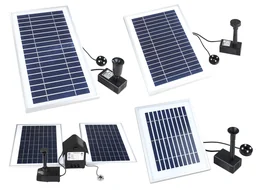
Choosing the right output is essential. An overly powerful pump in a small stream can look unnatural. A pump that's too weak won't run the filter properly. Compare the delivery head and maximum flow rate.
How to maintain good water quality
Clear water is the goal. Cloudy or green water can be caused by suspended algae or organic particles. Alongside filtration, water treatments can help stabilize the biological balance.
Water clarifiers bind phosphate, a key nutrient for algae. Beneficial bacteria help the filter break down pollutants. These starter bacteria are especially useful after building a pond or changing the water.
Test the most important water parameters regularly: pH, carbonate hardness (KH), general hardness (GH), ammonium/ammonia, nitrite and nitrate. Simple drop test kits provide reliable results. Regular testing helps you spot problems before they become dangerous for fish.
Pond-Building Materials
The foundation of any lined pond is the right pond liner. EPDM and PE pond liners are flexible, tear-resistant, and durable. A protective fleece underlay shields the liner from stones and roots.
Calculate the liner area you need carefully: pond length + (2 x pond depth) + extra material for overlap at the edges. The pond should be at least 80 cm deep so fish can overwinter without the water freezing; in colder regions, 100-120 cm is recommended.
In addition to the liner, you’ll need special pond substrate for the planting zone. Regular garden soil isn’t suitable because it releases too many nutrients and pollutes the water. Use low-nutrient pond soil or special planting gravel.
Routine Pond Maintenance
A pond is a dynamic system. Regular, small maintenance tasks are better than infrequent, major interventions. Check the water parameters and make sure the equipment is working every week. Clean the pre-filter or pump as needed, depending on how dirty it is.
In the fall, a leaf net is essential. It prevents large amounts of organic material from sinking to the bottom of the pond and rotting there. In the spring, start with a partial water change and add beneficial bacteria.
Cut back dead plant material. Otherwise, it will deplete the water’s oxygen as it decomposes. Pay attention to your fish’s behavior. They’re the best indicators of water quality problems.
Buying Guide: How to Choose the Right Pond Equipment
Building a pond is an investment of time and money, so take a systematic approach. Start by deciding on the type and size of pond. Then calculate the materials you’ll need. Only after that should you choose a filter and pump that match the pond’s volume.
For a fish pond with koi or goldfish, choose a filter and pump rated for a pond two to three times larger than yours. You can’t go wrong with more powerful equipment. For a natural pond without fish, a simple solar pump is often enough to create gentle water movement.
Choose quality liners and equipment. These components are difficult to upgrade later. Good filters and pumps run reliably for many years. Cheap products can cause ongoing problems and costly repairs.
Don’t rely solely on product reviews; seek professional advice as well. A well-planned pond will bring enjoyment for decades. A pond built in haste can become a permanent construction project. It’s better to spend a little more time planning so you can enjoy your own personal water paradise all the more.
Here are the most-reviewed pond products in our range, compared side by side:
| Model | Customer rating | Availability |
|---|---|---|
| "OptiFloc", 1000 ml | – | Currently unavailable |
| 1200 l/h solar pump | – | Currently unavailable |
| 1600 l/h solar pump | – | Currently unavailable |
| 1600 l/h solar pump with battery | – | Currently unavailable |
| 20 kg training vest, weighted vest with double adjustable straps for strength training and fitness, Oxford metal, black+red 40 x | – | Currently unavailable |
Frequently Asked Questions
- What size pond filter do I need?
- The filter size depends on the pond’s volume and the number of fish. A filter that’s too small will quickly become overloaded. As a rule of thumb, the filter volume should be at least 1-2% of the pond volume. Heavily stocked koi ponds need more powerful systems. Be sure to consider the pump’s circulation rate, too.
- Is a solar pump worth it for a pond?
- Yes, solar pumps are ideal for locations without access to mains power or for reducing operating costs. Modern models such as PRODUCT_133992 have built-in batteries and can keep pumping when sunlight is limited. They’re a sustainable choice for streams or small water features.
- How do I keep my pond water clear?
- Clear water depends on mechanical and biological filtration. A powerful filter removes suspended particles. Biological products such as PRODUCT_106292 help bind fine particles that cause cloudy water. Regular maintenance, stocking fish at the right density, and avoiding overfeeding are also important.
- Can I build a pond without a liner?
- Yes, you can build a natural clay pond. It requires special watertight clay layers and is more challenging to construct. For most backyard projects, a pond liner made from durable, UV-resistant PE or EPDM is the more practical and reliable choice.
- What should I consider when building a swimming pond?
- A swimming pond combines a swimming area with a regeneration zone. The key is to separate the two areas properly with an underwater wall. The regeneration zone needs sufficient depth and plants for biological filtration. Make sure you have enough space and seek professional advice.
You may also be interested in
- Solar Pump Test & Comparison 2026
- How to Create a Garden Pond: Integrating a Water Feature Harmoniously
- Pool Test & Comparison 2026 – An Overview of the Best Models
- Garden Shed Test & Comparison 2026
- Natural Stone Test & Comparison 2026: The Best Stones for Your Garden
- How to Create a Natural Pond: Step by Step to Your Own Biotope