
In brief: You can grow more of your own food without a garden by making the most of your balcony or windowsill. Choose sun-loving plants such as tomatoes for south-facing balconies and shade-tolerant herbs for north-facing spots. Vertical planters and hanging baskets help you grow more in less space and enjoy a plentiful harvest.
Dreaming of growing your own vegetables but don’t have a garden? No problem. You can start growing your own food right in the city: on a balcony, patio, or even a windowsill. Urban gardening is more than a trend. It gives you the chance to harvest fresh, homegrown food right outside your door, enjoy nature’s cycles, and add more variety to your meals.
You don’t need a lot of space. With smart planning, the right plants, and a few simple tricks, you can turn even the smallest outdoor area into a green oasis full of flavor. Find out how easy it is to get started with balcony gardening and what you could soon be harvesting.
Even the smallest balcony can become an oasis of freshness and flavor. It’s not about how much space you have, but how creatively you use it.
Choosing the right spot: What grows best where?
Before you get started, take a look at the space you have available. Light is one of the most important things plants need. The direction your balcony or window faces has a big impact on which plants will thrive. Watch how the sun moves throughout the day and note how many hours of direct sunlight your potential garden gets.
Sun-loving plants for a south-facing balcony
A south-facing balcony is a great spot for urban gardening. Plants get plenty of sunshine throughout the day, making it ideal for heat- and light-loving fruiting vegetables. But intense sun also dries out the soil quickly, so large pots and a well-planned watering routine are essential.
- Tomatoes: Compact bush tomatoes and varieties bred for balconies are especially well suited.
- Peppers and chilies: They love warmth and produce plenty of fruit in sunny spots.
- Eggplants and zucchini: Choose compact varieties. One zucchini plant can provide a steady harvest all summer.
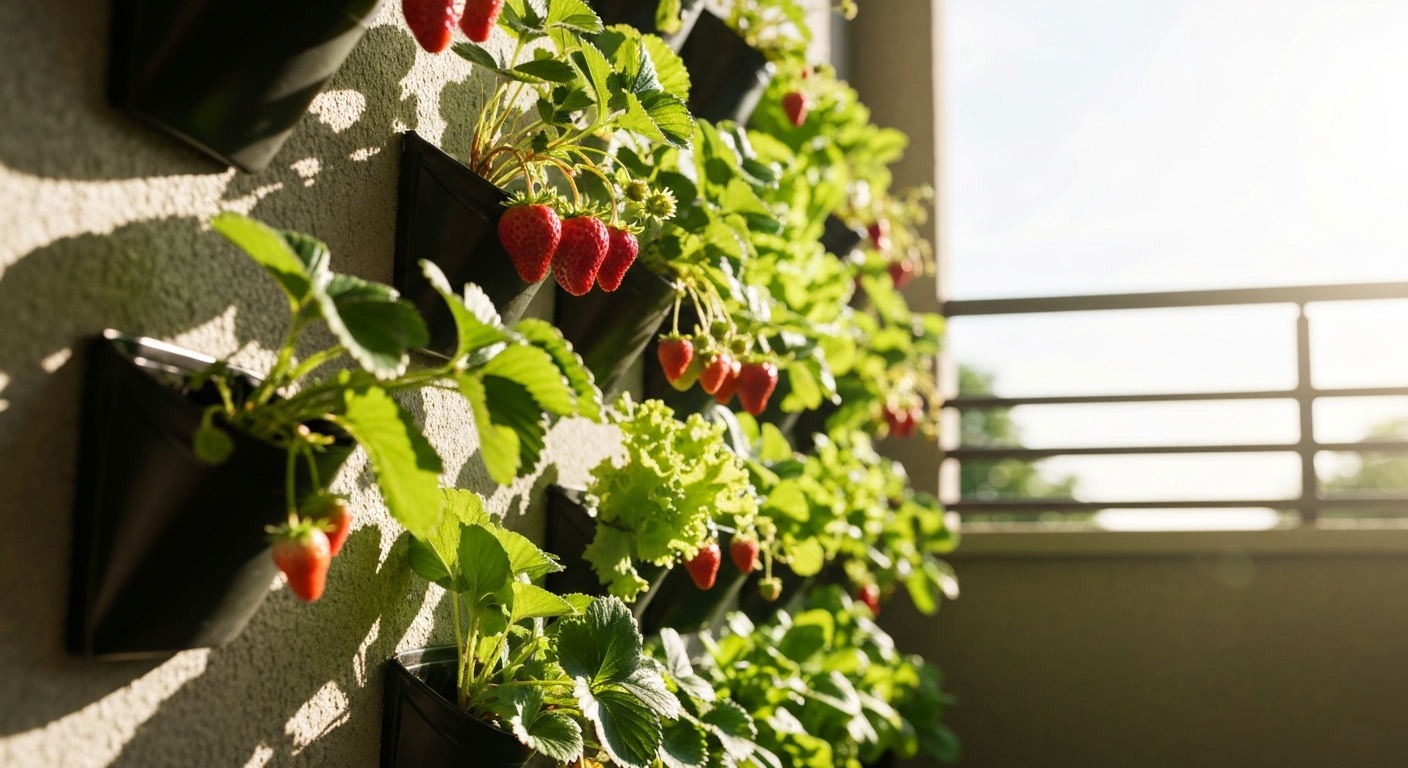
- Strawberries: Whether grown in hanging baskets or window boxes, fresh balcony strawberries are a real treat.
- Mediterranean herbs: Rosemary, thyme, sage, and oregano thrive in full sun.
Additional advice
Choose light-colored pots for south-facing balconies. Black plastic containers can get extremely hot in direct sunlight and heat the plants’ roots. Terracotta or light-colored plastic pots reflect sunlight and help keep the root ball cooler.
Shade-loving plants for a north-facing balcony
A north-facing balcony gets no direct sunlight, but it does receive bright, indirect light. That limits your choices somewhat, but you can still grow your own food. One advantage is that the soil dries out more slowly and plants are less likely to suffer from heat stress. Leafy vegetables and some herbs thrive here.
- Leaf lettuce: Cut-and-come-again and baby-leaf varieties are perfect. Pick individual leaves as you need them.
- Spinach and Swiss chard: These leafy vegetables grow well with less light.
- Radishes and arugula: They grow quickly and don’t need full sun.
- Herbs: Mint, parsley, chives, wild garlic, and sweet woodruff grow well in the shade.
- Wild strawberries: Unlike larger-fruited varieties, they prefer partial shade.
The windowsill garden: Growing plants indoors
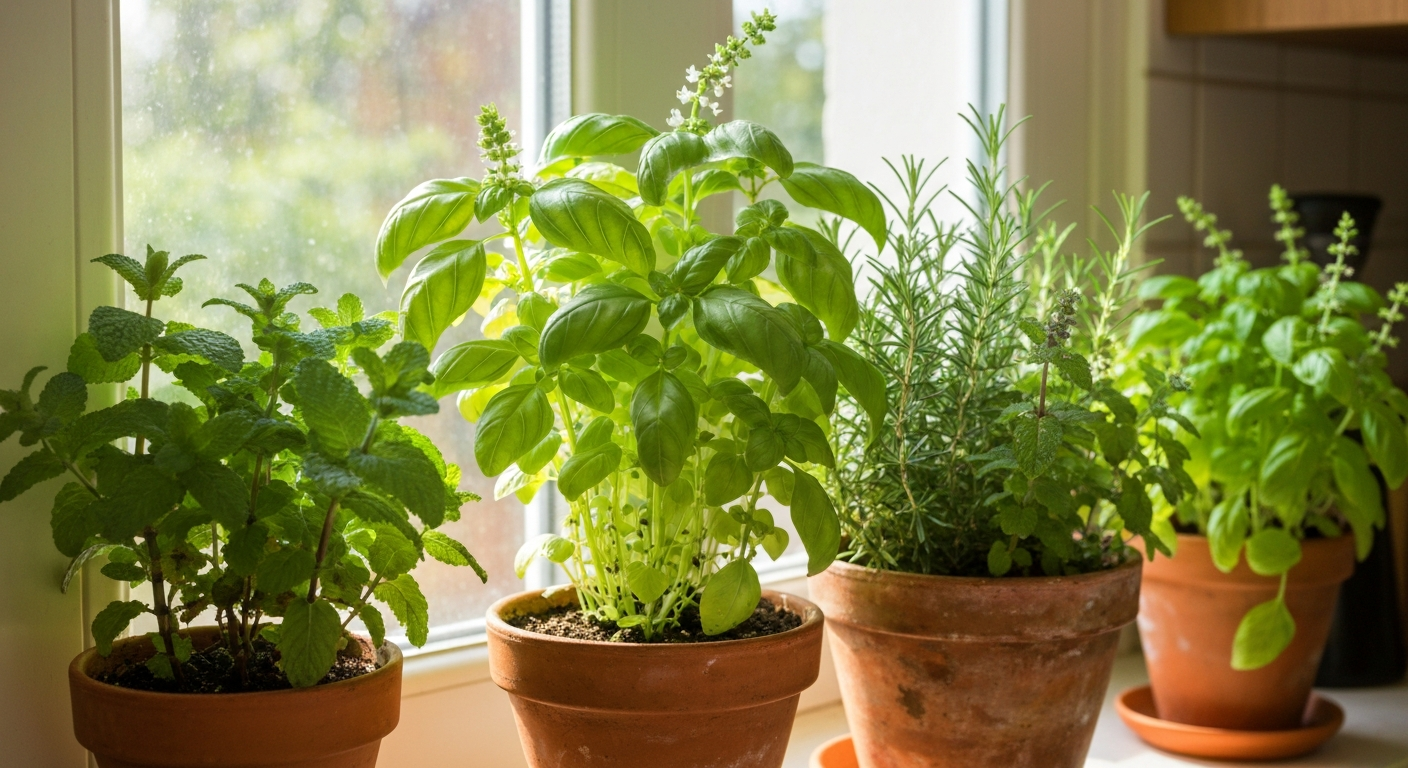
No balcony? No problem. A bright windowsill can become a mini garden. A south-facing window works well for herbs and even small chili plants. Cress, sprouts, and herbs that need less light grow well on east- or west-facing windowsills. A windowsill garden provides fresh flavor all year round.
Sprouts and microgreens are especially easy to grow on a windowsill. They’re ready to harvest just days after sowing and are packed with nutrients. You don’t even need soil: special sprouting jars or trays are all you need.
How do I choose the right plants to get started?
When you start urban gardening, choose easy-care plants that produce a good harvest. Early successes help keep you motivated. Look for varieties specifically suited to growing in containers. They usually stay more compact and are bred to grow in pots. You can also find the right gardening and plant supplies in our shop.
Herbs: A classic choice for beginners
Herbs are a great place to start. They need little space, are easy to grow, and add flavor to almost any dish. A small herb garden on your balcony or windowsill can provide a steady harvest. You can start from seed or, for quicker results, buy young plants from a garden center.
- Basil: Loves sun and warmth. Regularly pinching off the tips encourages bushier growth.
- Chives: Easy to care for and perennial. They grow well in pots.
- Mint: It spreads quickly, so it’s best to grow it in its own pot. Perfect for tea and cocktails.
- Parsley: A kitchen staple. It prefers partial shade.
Expert tip
Group plants with similar needs in the same planter. Mediterranean herbs such as rosemary, thyme, and sage prefer sunny spots and fairly dry soil. Parsley, chives, and mint prefer moister soil and can also handle partial shade. This makes it easier to meet each plant’s needs.
Leaf lettuce and leafy greens: A quick harvest
Cut-and-come-again lettuce is ideal for balconies. Instead of harvesting a whole head, simply pick the outer leaves. The plant keeps growing from the center, providing fresh salad for weeks. Lollo Bionda, Lollo Rossa, and oak leaf lettuce are excellent choices. Asian greens, arugula, and spinach are also easy to grow and quick to harvest.
Snack-size vegetables: Tomatoes, chilies, and more
Snack-size vegetables are a great choice for sunny spots. Small cherry or bush tomatoes need less space than large beefsteak tomatoes and grow reliably in containers. The same goes for chilies and compact pepper varieties. You can also grow compact vining cucumbers on a small trellis on your balcony.
Choosing the right container: Pots, window boxes, and vertical planters
Choosing the right planter is key to success. It needs to be large enough for the roots to grow and have drainage holes to prevent waterlogged soil. Find all the gardening equipment for your project at Westfalia.
Materials: Terracotta, plastic, or wood?
Each material has its pros and cons. Terracotta pots are breathable and look attractive, but they dry out quickly. Plastic containers are lightweight and affordable, and they hold moisture well, but they can get very hot in the sun. Wooden planters provide good insulation, but they’re heavier and need a protective liner to prevent the wood from rotting.
Space-saving ideas: Vertical gardens and hanging planters
Make use of vertical space! Vertical gardens, wall-mounted planting bags, and shelving systems let you grow plants on several levels. Hanging planters are perfect for strawberries, trailing tomato varieties, or herbs such as mint. This helps you create an impressive growing area, even on the smallest balcony.
What do my plants need? The basics of plant care
Plants in pots depend entirely on you. They cannot draw nutrients and water from deep in the ground. Consistent, proper care is therefore the key to a plentiful harvest.
The soil in a pot is a closed system. Everything you add is all your plant has to live on. That is why choosing the right growing medium and providing a consistent supply of nutrients are crucial for success.
The right potting mix: the foundation for healthy growth
Do not skimp on the potting mix. Use a high-quality, peat-free organic potting mix. It has a stable structure, holds water well, and often comes pre-mixed with an organic slow-release fertilizer. Ordinary garden soil is unsuitable because it quickly compacts in pots, suffocates the roots, and causes waterlogging.
Watering wisely: how to water plants on balconies and windowsills
The most common problem when growing plants in containers is improper watering. The soil should never dry out completely, but it should not stay permanently wet either. Use the finger test: insert one finger about two centimeters into the soil. If it feels dry, it is time to water. It is best to water in the morning or evening, applying the water directly to the soil rather than over the leaves. Add enough water for it to run out of the drainage holes at the bottom. This ensures that the entire root ball is thoroughly moistened.
Important note
Waterlogging is the biggest enemy of potted plants. It causes root rot and can kill the plant. Always make sure the drainage holes in the bottom of the pot are working properly, and empty saucers about 15 minutes after watering. A drainage layer of expanded clay or gravel at the bottom of the pot can further improve drainage.
Nutrients for hungry plants: fertilizing potted plants
The nutrients in potting mix are used up after a few weeks. Heavy feeders such as tomatoes, cucumbers, and zucchini need regular applications of fertilizer. Use an organic liquid fertilizer for vegetables and herbs, and add it to your watering water every one to two weeks according to the package instructions. Light feeders such as most herbs and lettuces need considerably less fertilizer.
Harvest time in a small space: how to get the most from your plants
Harvesting is the most rewarding moment. Cut herbs and lettuces regularly. This not only encourages new growth but also produces a more intense flavor. For fruiting vegetables such as tomatoes and chilies, the rule is: the more you harvest, the more new flowers and fruit the plant will produce.
For precisely harvesting herbs, cutting off tomato trusses, or opening seed packets, a sharp, handy tool is essential. The
is ideal for the job. It sits comfortably in your hand and makes clean cuts without crushing plant stems. A good cutting tool is part of the basic equipment every balcony gardener needs and is an essential item among garden tools.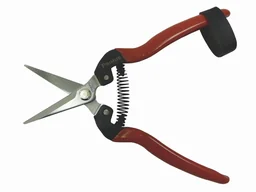
Start your “grow your own without a garden” project today. With a little planning and care, you will soon be enjoying the incomparable taste of homegrown vegetables and herbs. It is a rewarding activity that enriches not only your diet but also your life.
Frequently Asked Questions
- What can I grow on a small balcony?
- Space-saving plants are ideal for a small balcony. Herbs such as basil and chives, cut-and-come-again salad greens, radishes, bush tomatoes, and chilies thrive in pots and window boxes. With vertical planters or hanging planters, you can even grow strawberries or trailing zucchini and make the most of your space.
- Do I need special soil for growing plants in pots?
- Yes, potting mix is essential. Use high-quality, pre-fertilized potting mix because it has a stable structure and holds water and nutrients effectively. Ordinary garden soil compacts too quickly in pots, leading to waterlogging and root rot. For perennial plants, mix in some clay granules.
- How often do I need to water plants on a balcony?
- It depends on the location, pot size, and weather. On hot summer days, plants in small pots often need water every day, sometimes in the morning and evening. Use the finger test: if the soil feels dry at a depth of 2-3 cm, water thoroughly until water runs out of the bottom.
- Which herbs grow well on a windowsill?
- Mediterranean herbs such as basil, rosemary, thyme, and oregano thrive on a sunny windowsill facing south or west. For windows with less light, facing east or north, choose parsley, chives, mint, and cress. Make sure the pot has good drainage to prevent waterlogging.
- Can you grow vegetables on a north-facing balcony?
- Yes, a north-facing balcony is also suitable for growing vegetables, although you should choose shade-tolerant varieties. Cut-and-come-again salad greens, spinach, Swiss chard, radishes, and many herbs such as mint, parsley, and wild garlic need less light. Fruiting vegetables such as tomatoes and cucumbers, however, need more sun and are unsuitable.
You may also be interested in
- Grow your own on a balcony: start in March for a fresh harvest
- Growing your own food in the garden: step by step to self-sufficient gardening
- Kitchen garden on the windowsill: fresh herbs all year round
- Grow your own tomatoes: your path to self-sufficiency
- Growing vegetables: your guide to a fresh harvest in the garden & on the balcony
- How can I create a green oasis in an urban backyard?