
In brief: Rhubarb stalks are healthy and edible but contain oxalic acid. The leaves are poisonous because of their high concentration and must not be eaten. The oxalic acid content in the stalks increases after 24 June, which is why the harvest traditionally ends then. Peeling, cooking and combining rhubarb with dairy products reduce its acid content and make it a safe treat.
Spring brings it with it: rhubarb. Its tart stalks are the basis for compote, cakes and refreshing spritzers. But enjoying it often raises the question: isn't rhubarb actually poisonous? The answer is nuanced. It depends on the plant itself, the time of harvest and proper preparation. If you follow a few basic rules, rhubarb is a healthy and versatile addition to your kitchen.
What makes rhubarb potentially poisonous? The truth about oxalic acid
The substance that gives rhubarb a bad reputation is called oxalic acid. This organic acid occurs in many plants, including spinach, Swiss chard and sorrel. However, its concentration varies greatly within the rhubarb plant. While the stalks contain a moderate amount, the acid is highly concentrated in the leaves.
In large quantities, oxalic acid can block the body's absorption of important minerals such as calcium, magnesium and iron. It binds to them, making them unavailable. In people prone to kidney stones, excessive consumption can promote the formation of calcium oxalate stones. This causes the rough, dull sensation on your teeth that you may notice after eating rhubarb.
Important note
Never eat rhubarb leaves. They contain a harmful amount of oxalic acid and can cause severe symptoms of poisoning. Remove the leaves immediately after harvesting and dispose of them in the compost.
So, are rhubarb stalks harmless?
Yes, for healthy people, stalks are completely harmless in normal amounts. The key factor is timing. The oxalic acid content of the stalks is not static; it changes over the course of the season. In spring, when the stalks are young and tender, the concentration is lowest.
As the plant continues to grow, its oxalic acid content steadily increases. This is why a long-standing gardening rule says that the rhubarb harvest ends on St John's Day, 24 June. After this date, leave the plant alone. It needs the remaining leaves and stalks to collect enough energy through photosynthesis for winter and new growth the following year. Harvesting after this cut-off date weakens the plant and produces stalks with unnecessarily high acid levels.
The oxalic acid content of rhubarb stalks rises significantly from the end of June. This is why the harvest should traditionally end on St John's Day, 24 June. This protects not only your health but also the plant itself, allowing it to recover for the following year.
How should you prepare rhubarb to enjoy it safely?
Proper preparation significantly reduces the oxalic acid content and makes rhubarb easier to digest. With just a few simple steps, you can turn the tart stalks into a safe delicacy.
Should you peel rhubarb?
A large proportion of the oxalic acid is found directly in the skin. You should remove it from thicker, fibrous stalks, especially those harvested later in the season. Place a knife at the end of the stalk and simply pull off the fibrous skin. Young, tender stalks, especially red-skinned varieties, do not necessarily need to be peeled.
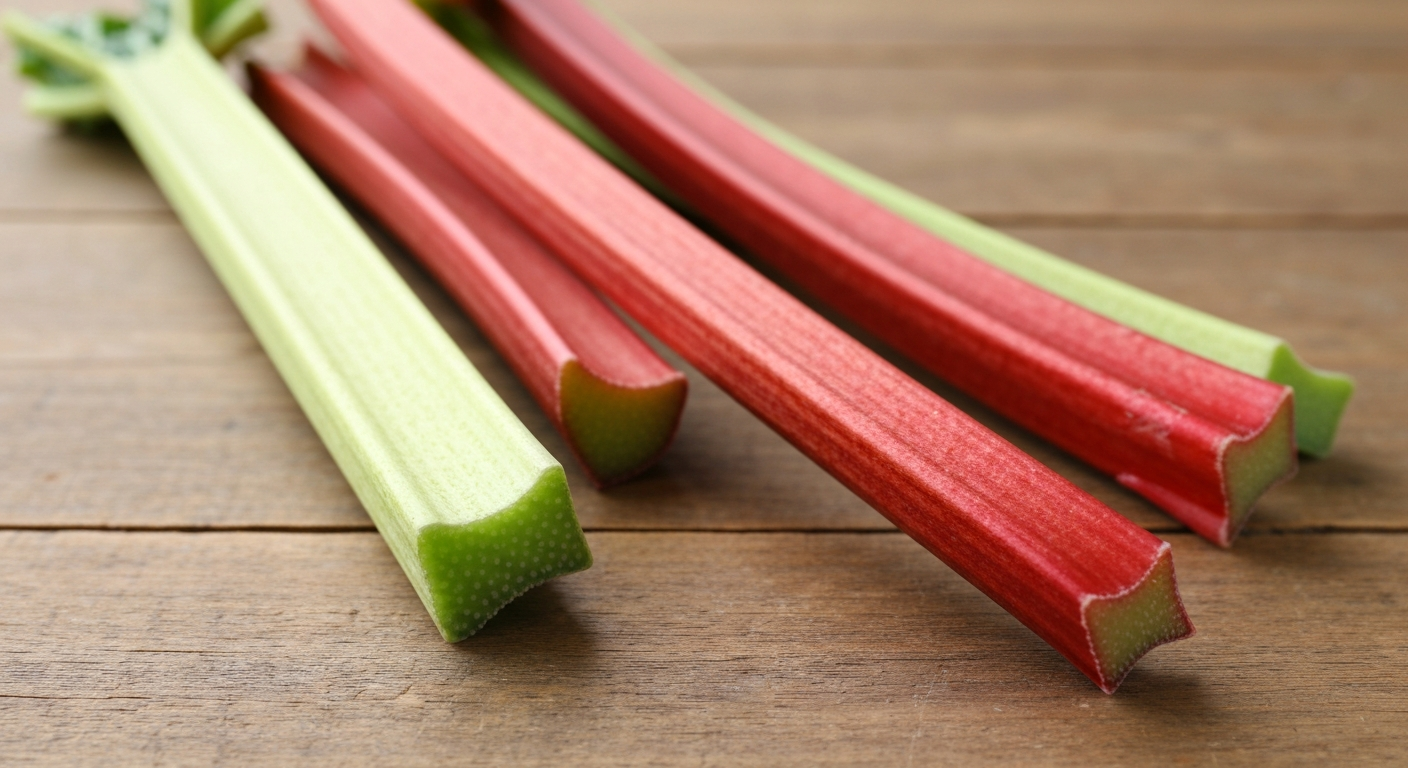
Cooking, blanching and baking
Heat does not destroy oxalic acid, but it does make it water-soluble. When you cook or blanch rhubarb, some of the acid passes into the cooking water. Pour this water away afterwards and do not use it again. The same effect occurs when baking rhubarb in a cake, as it loses water.
The right combination makes all the difference
Combine rhubarb with calcium-rich foods. The calcium binds to the free oxalic acid in the digestive tract before the body can absorb it. Classic combinations such as rhubarb compote with vanilla sauce, rhubarb cake made with quark and oil pastry, or rhubarb crumble with a scoop of ice cream are not only delicious but also make nutritional sense.
Additional tip
Try rhubarb chutney as a side dish with grilled food. Cook rhubarb pieces with onions, ginger, sugar and vinegar. The combination of sweet, sour and spicy flavours goes wonderfully with meat, cheese or fish and makes a great change at any barbecue. Find suitable accessories in our BBQ + Smoking category.
Growing Rhubarb in Your Own Garden: How to Do It
Rhubarb is an extremely easy-care, long-lived perennial that will reward you with a plentiful harvest for many years if properly cared for. Growing it in your own garden means you always have fresh, unsprayed stalks on hand.
The Ideal Location and Soil
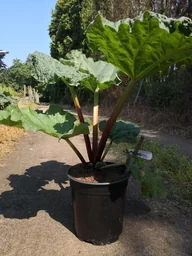
Choose a sunny to partially shaded location. Rhubarb is a heavy feeder and needs deep, humus-rich, nutrient-rich soil that retains moisture well but does not become waterlogged. Loosen the soil deeply before planting and work in plenty of mature compost or organic fertilizer. A good supply of nutrients is the foundation for strong stalks. The right plant and flower fertilizer range will support you in this.
When and How to Plant
The best time to plant rhubarb is in fall (September/October) or early spring (March/April). You plant rhizomes, or rootstocks. Dig a planting hole about twice the size of the root ball. Place the plant so that the buds, or eyes, are just below the soil surface. Leave at least one meter between plants, as rhubarb spreads considerably.
Browse our selection of proven varieties:
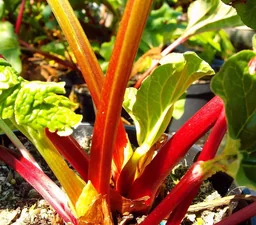
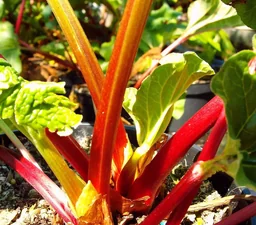
- Rhubarb "Frambozen rood" : A variety with intensely red stalks and a mild, fruity flavor.
- Rhubarb "Holsteiner Blut" : A classic variety with deep red flesh and a rich flavor.
- Rhubarb "The Sutton" : A high-yielding variety with tender, pink stalks.
Care: Watering, Fertilizing and Mulching
Rhubarb needs plenty of water, especially during the growing season in spring and during dry summers. A layer of mulch made from grass clippings or straw helps retain moisture in the soil and suppress weeds. Feed the plant with compost or an organic slow-release fertilizer every spring. You can find everything you need for garden and plant care in our shop.
Pro tip
Do not harvest rhubarb in the first year after planting. Give the plant time to establish itself and develop a strong root system. In the second year, you can harvest a few stalks; from the third year onward, you can enjoy a full harvest.
When and How Should You Harvest Rhubarb?
Using the right harvesting technique protects the plant and ensures good yields in the years to come. The main harvest season for this delicious vegetable runs from April through June 24.
The Right Time to Harvest
Harvest the stalks when they have reached a length of 30 to 50 centimeters and are nice and sturdy. The leaves should be fully unfolded. Never harvest all the stalks at once. Always leave about half of the shoots on the plant so it can continue to photosynthesize.
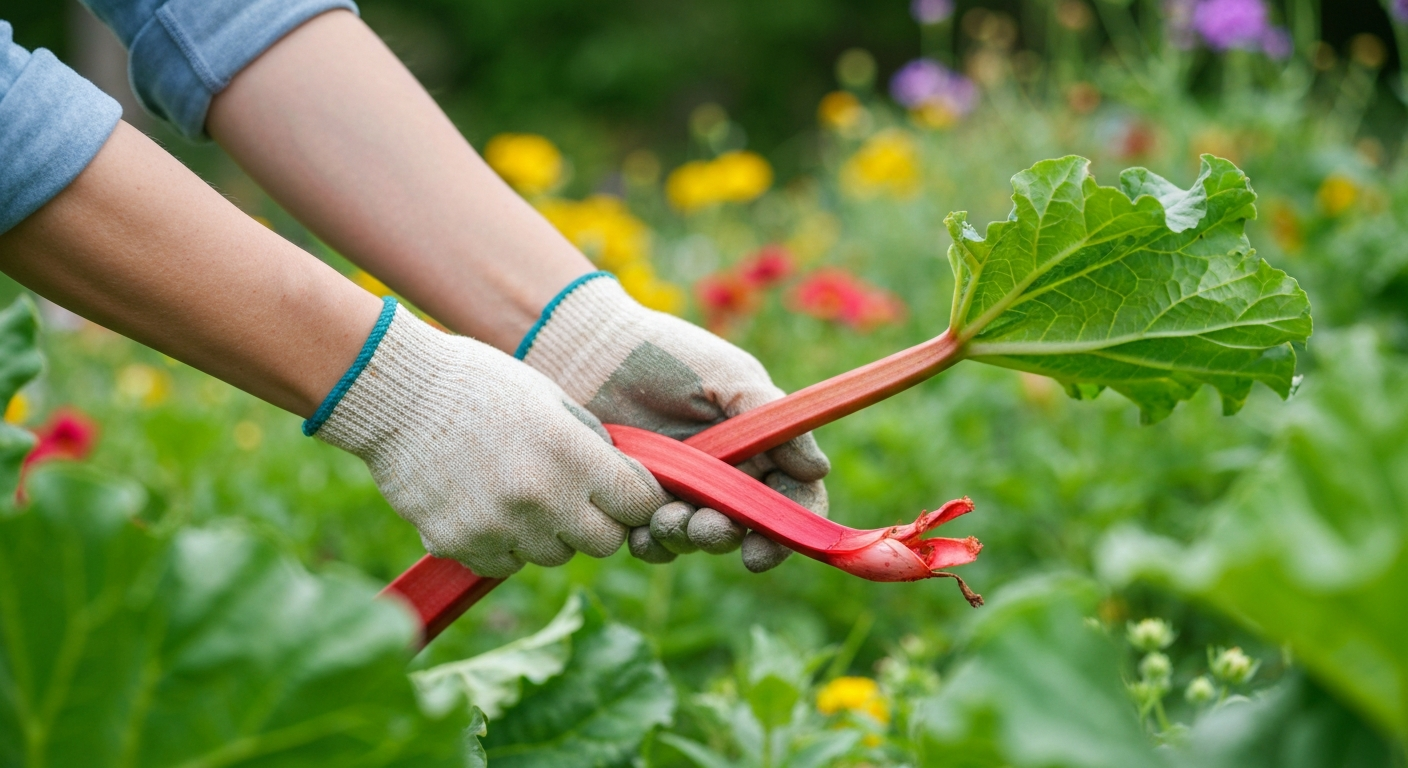
The Right Technique: Twist, Don't Cut
Never cut rhubarb stalks with a knife. The remaining stubs can easily rot and provide pathogens with an entry point. Instead, grasp the stalk low down at the base and pull it out of the ground with a gentle twisting motion. The stalk will come away from the base with a slight snap.
Pull the stalks out from the base of the plant with a gentle twisting motion. Cutting with a knife leaves stubs that can easily rot and weaken the plant. This technique creates a clean wound that heals quickly.
After Harvesting: Remove the Leaves
Immediately after harvesting, use a knife to separate the poisonous leaves from the stalks. This prevents the leaves from unnecessarily drawing water from the stalks and causing them to wilt. You can safely compost the leaves.
Rhubarb Beyond Summer: Storing and Preserving
Since the rhubarb season is short, it is worth creating a supply for later. There are several simple ways to preserve this spring vegetable.
Short-Term Storage
Freshly harvested rhubarb keeps best when wrapped in a damp kitchen towel and stored in the refrigerator's crisper drawer. This keeps it crisp and fresh for several days.
Freezing for Winter
Rhubarb freezes exceptionally well. Wash the stalks, peel them if needed and cut them into bite-sized pieces. Place the pieces in freezer bags or containers and freeze them. This way, you will have fresh rhubarb on hand even in winter for pies, compote or fruit pudding. In our garden and outdoor section, you can find useful tools for growing and harvesting all year round.
Canning and Preserving
The classic way to preserve rhubarb is by canning it. Use it to make compote, jam or syrup. Hot-packed into sterilized jars, rhubarb keeps for many months and makes a wonderful homemade gift from the garden.
Frequently Asked Questions
- Why should rhubarb only be harvested until 24 June?
- Harvesting ends on St John's Day because the oxalic acid content in the stalks increases significantly afterwards. Higher levels can be harmful to your health. The plant also needs the rest of the season to gather strength for the following year and regenerate.
- Do I always need to peel rhubarb?
- Peeling is recommended, but it is not always essential. Young, tender stalks do not need to be peeled. For thicker, fibrous stalks and later in the season, peeling removes the oxalic-acid-rich skin and improves the texture. It also significantly reduces the acidity.
- Can rhubarb leaves be composted?
- Yes, you can safely compost rhubarb leaves. The poisonous oxalic acid is broken down by microorganisms during the composting process and poses no risk to your compost or the compost soil when it is later used. So feel free to add the leaves to your compost heap.
- Can you eat rhubarb raw?
- Yes, you can eat small amounts of rhubarb raw, for example, thinly sliced in salads. Since cooking reduces the oxalic acid content, raw rhubarb is not recommended for sensitive people or in large quantities. Cooking or baking is the safer option.
- Which rhubarb varieties are less sour?
- Red rhubarb varieties, such as 'Frambozen Rood' or 'Holsteiner Blut', tend to contain less fruit acid and taste milder and sweeter than green-stemmed varieties. They often need less peeling too, as their skin is more tender. The red flesh is also particularly attractive.
You might also be interested in
- Asparagus & Rhubarb: How to Extend the Harvest Season
- Freezing Rhubarb: How to Keep This Spring Vegetable Fresh
- Foraging, Identifying and Using Wild Garlic Safely
- Optimal Plant Care: The Basics for a Healthy Garden
- Are Courgettes Poisonous? Tips for Avoiding Cucurbitacins
- Ground Elder in the Garden: Pest or Useful Wild Plant?